目录
When to Seek Professional Advice
If you experience persistent breakouts, widespread redness, or signs of infection such as warmth, swelling, or pus after using coconut oil, consult a dermatologist rather than trying to treat the issue yourself. What appears to be a simple reaction to coconut oil may actually be an allergic contact dermatitis or a secondary infection that requires medical treatment.
References
- Rele AS, Mohile RB. Effect of mineral oil, sunflower oil, and coconut oil on prevention of hair damage. Journal of Cosmetic Science. 2003.
- American Academy of Dermatology. Acne: Overview. aad.org
- FDA. Cosmetics Safety Q&A. fda.gov
For facial hydration, lighter alternatives such as squalane, jojoba oil, or formulations containing ceramides and hyaluronic acid typically cause fewer problems across different skin types. These ingredients provide moisture without the heavy occlusive barrier that coconut oil creates.
When to Seek Professional Advice
If you experience persistent breakouts, widespread redness, or signs of infection such as warmth, swelling, or pus after using coconut oil, consult a dermatologist rather than trying to treat the issue yourself. What appears to be a simple reaction to coconut oil may actually be an allergic contact dermatitis or a secondary infection that requires medical treatment.
References
- Rele AS, Mohile RB. Effect of mineral oil, sunflower oil, and coconut oil on prevention of hair damage. Journal of Cosmetic Science. 2003.
- American Academy of Dermatology. Acne: Overview. aad.org
- FDA. Cosmetics Safety Q&A. fda.gov
Stop using coconut oil immediately if you notice any of the following: small white bumps appearing within a few days of use, increased redness or sensitivity, itching, or a feeling that your skin cannot breathe. These reactions indicate that the oil is too heavy for your skin type or that your pores are not tolerating it well.
For facial hydration, lighter alternatives such as squalane, jojoba oil, or formulations containing ceramides and hyaluronic acid typically cause fewer problems across different skin types. These ingredients provide moisture without the heavy occlusive barrier that coconut oil creates.
When to Seek Professional Advice
If you experience persistent breakouts, widespread redness, or signs of infection such as warmth, swelling, or pus after using coconut oil, consult a dermatologist rather than trying to treat the issue yourself. What appears to be a simple reaction to coconut oil may actually be an allergic contact dermatitis or a secondary infection that requires medical treatment.
References
- Rele AS, Mohile RB. Effect of mineral oil, sunflower oil, and coconut oil on prevention of hair damage. Journal of Cosmetic Science. 2003.
- American Academy of Dermatology. Acne: Overview. aad.org
- FDA. Cosmetics Safety Q&A. fda.gov
Recognizing Signs That Coconut Oil Does Not Suit You
Stop using coconut oil immediately if you notice any of the following: small white bumps appearing within a few days of use, increased redness or sensitivity, itching, or a feeling that your skin cannot breathe. These reactions indicate that the oil is too heavy for your skin type or that your pores are not tolerating it well.
For facial hydration, lighter alternatives such as squalane, jojoba oil, or formulations containing ceramides and hyaluronic acid typically cause fewer problems across different skin types. These ingredients provide moisture without the heavy occlusive barrier that coconut oil creates.
When to Seek Professional Advice
If you experience persistent breakouts, widespread redness, or signs of infection such as warmth, swelling, or pus after using coconut oil, consult a dermatologist rather than trying to treat the issue yourself. What appears to be a simple reaction to coconut oil may actually be an allergic contact dermatitis or a secondary infection that requires medical treatment.
References
- Rele AS, Mohile RB. Effect of mineral oil, sunflower oil, and coconut oil on prevention of hair damage. Journal of Cosmetic Science. 2003.
- American Academy of Dermatology. Acne: Overview. aad.org
- FDA. Cosmetics Safety Q&A. fda.gov
Even those with normal or dry skin may experience breakouts when using coconut oil on the face, particularly if applied thickly or left on overnight. If you choose to use it as a facial moisturizer, limit application to a very thin layer and monitor your skin closely for the first two weeks.
Recognizing Signs That Coconut Oil Does Not Suit You
Stop using coconut oil immediately if you notice any of the following: small white bumps appearing within a few days of use, increased redness or sensitivity, itching, or a feeling that your skin cannot breathe. These reactions indicate that the oil is too heavy for your skin type or that your pores are not tolerating it well.
For facial hydration, lighter alternatives such as squalane, jojoba oil, or formulations containing ceramides and hyaluronic acid typically cause fewer problems across different skin types. These ingredients provide moisture without the heavy occlusive barrier that coconut oil creates.
When to Seek Professional Advice
If you experience persistent breakouts, widespread redness, or signs of infection such as warmth, swelling, or pus after using coconut oil, consult a dermatologist rather than trying to treat the issue yourself. What appears to be a simple reaction to coconut oil may actually be an allergic contact dermatitis or a secondary infection that requires medical treatment.
References
- Rele AS, Mohile RB. Effect of mineral oil, sunflower oil, and coconut oil on prevention of hair damage. Journal of Cosmetic Science. 2003.
- American Academy of Dermatology. Acne: Overview. aad.org
- FDA. Cosmetics Safety Q&A. fda.gov
Coconut oil scores highly on the comedogenic scale, meaning it has a strong tendency to clog pores. For people with oily, combination, or acne-prone skin, applying coconut oil to the face often triggers closed comedones, blackheads, and inflammatory acne. The occlusive nature of the oil traps sebum, dead skin cells, and bacteria beneath the surface, creating an environment where acne thrives.
Even those with normal or dry skin may experience breakouts when using coconut oil on the face, particularly if applied thickly or left on overnight. If you choose to use it as a facial moisturizer, limit application to a very thin layer and monitor your skin closely for the first two weeks.
Recognizing Signs That Coconut Oil Does Not Suit You
Stop using coconut oil immediately if you notice any of the following: small white bumps appearing within a few days of use, increased redness or sensitivity, itching, or a feeling that your skin cannot breathe. These reactions indicate that the oil is too heavy for your skin type or that your pores are not tolerating it well.
For facial hydration, lighter alternatives such as squalane, jojoba oil, or formulations containing ceramides and hyaluronic acid typically cause fewer problems across different skin types. These ingredients provide moisture without the heavy occlusive barrier that coconut oil creates.
When to Seek Professional Advice
If you experience persistent breakouts, widespread redness, or signs of infection such as warmth, swelling, or pus after using coconut oil, consult a dermatologist rather than trying to treat the issue yourself. What appears to be a simple reaction to coconut oil may actually be an allergic contact dermatitis or a secondary infection that requires medical treatment.
References
- Rele AS, Mohile RB. Effect of mineral oil, sunflower oil, and coconut oil on prevention of hair damage. Journal of Cosmetic Science. 2003.
- American Academy of Dermatology. Acne: Overview. aad.org
- FDA. Cosmetics Safety Q&A. fda.gov
For hair that tolerates oils well, coconut oil works best as a pre-shampoo treatment rather than a leave-in conditioner. Apply a small amount to dry hair, focusing on the mid-lengths and ends rather than the scalp. Leave it on for at least 20 minutes or overnight, then wash thoroughly with shampoo. People with oily scalps or seborrheic dermatitis should avoid applying coconut oil to the scalp entirely, as it can worsen flaking and inflammation.
As a body moisturizer, coconut oil provides occlusive hydration that helps prevent water loss from the skin. It works reasonably well on elbows, knees, and heels where skin is naturally thicker and drier. Always patch test first, and avoid using it on broken or freshly shaved skin, where it may cause irritation.
Why Facial Use Often Backfires
Coconut oil scores highly on the comedogenic scale, meaning it has a strong tendency to clog pores. For people with oily, combination, or acne-prone skin, applying coconut oil to the face often triggers closed comedones, blackheads, and inflammatory acne. The occlusive nature of the oil traps sebum, dead skin cells, and bacteria beneath the surface, creating an environment where acne thrives.
Even those with normal or dry skin may experience breakouts when using coconut oil on the face, particularly if applied thickly or left on overnight. If you choose to use it as a facial moisturizer, limit application to a very thin layer and monitor your skin closely for the first two weeks.
Recognizing Signs That Coconut Oil Does Not Suit You
Stop using coconut oil immediately if you notice any of the following: small white bumps appearing within a few days of use, increased redness or sensitivity, itching, or a feeling that your skin cannot breathe. These reactions indicate that the oil is too heavy for your skin type or that your pores are not tolerating it well.
For facial hydration, lighter alternatives such as squalane, jojoba oil, or formulations containing ceramides and hyaluronic acid typically cause fewer problems across different skin types. These ingredients provide moisture without the heavy occlusive barrier that coconut oil creates.
When to Seek Professional Advice
If you experience persistent breakouts, widespread redness, or signs of infection such as warmth, swelling, or pus after using coconut oil, consult a dermatologist rather than trying to treat the issue yourself. What appears to be a simple reaction to coconut oil may actually be an allergic contact dermatitis or a secondary infection that requires medical treatment.
References
- Rele AS, Mohile RB. Effect of mineral oil, sunflower oil, and coconut oil on prevention of hair damage. Journal of Cosmetic Science. 2003.
- American Academy of Dermatology. Acne: Overview. aad.org
- FDA. Cosmetics Safety Q&A. fda.gov
For facial hydration, lighter alternatives such as squalane, jojoba oil, or formulations containing ceramides and hyaluronic acid typically cause fewer problems across different skin types. These ingredients provide moisture without the heavy occlusive barrier that coconut oil creates.
When to Seek Professional Advice
If you experience persistent breakouts, widespread redness, or signs of infection such as warmth, swelling, or pus after using coconut oil, consult a dermatologist rather than trying to treat the issue yourself. What appears to be a simple reaction to coconut oil may actually be an allergic contact dermatitis or a secondary infection that requires medical treatment.
References
- Rele AS, Mohile RB. Effect of mineral oil, sunflower oil, and coconut oil on prevention of hair damage. Journal of Cosmetic Science. 2003.
- American Academy of Dermatology. Acne: Overview. aad.org
- FDA. Cosmetics Safety Q&A. fda.gov
Stop using coconut oil immediately if you notice any of the following: small white bumps appearing within a few days of use, increased redness or sensitivity, itching, or a feeling that your skin cannot breathe. These reactions indicate that the oil is too heavy for your skin type or that your pores are not tolerating it well.
For facial hydration, lighter alternatives such as squalane, jojoba oil, or formulations containing ceramides and hyaluronic acid typically cause fewer problems across different skin types. These ingredients provide moisture without the heavy occlusive barrier that coconut oil creates.
When to Seek Professional Advice
If you experience persistent breakouts, widespread redness, or signs of infection such as warmth, swelling, or pus after using coconut oil, consult a dermatologist rather than trying to treat the issue yourself. What appears to be a simple reaction to coconut oil may actually be an allergic contact dermatitis or a secondary infection that requires medical treatment.
References
- Rele AS, Mohile RB. Effect of mineral oil, sunflower oil, and coconut oil on prevention of hair damage. Journal of Cosmetic Science. 2003.
- American Academy of Dermatology. Acne: Overview. aad.org
- FDA. Cosmetics Safety Q&A. fda.gov
Recognizing Signs That Coconut Oil Does Not Suit You
Stop using coconut oil immediately if you notice any of the following: small white bumps appearing within a few days of use, increased redness or sensitivity, itching, or a feeling that your skin cannot breathe. These reactions indicate that the oil is too heavy for your skin type or that your pores are not tolerating it well.
For facial hydration, lighter alternatives such as squalane, jojoba oil, or formulations containing ceramides and hyaluronic acid typically cause fewer problems across different skin types. These ingredients provide moisture without the heavy occlusive barrier that coconut oil creates.
When to Seek Professional Advice
If you experience persistent breakouts, widespread redness, or signs of infection such as warmth, swelling, or pus after using coconut oil, consult a dermatologist rather than trying to treat the issue yourself. What appears to be a simple reaction to coconut oil may actually be an allergic contact dermatitis or a secondary infection that requires medical treatment.
References
- Rele AS, Mohile RB. Effect of mineral oil, sunflower oil, and coconut oil on prevention of hair damage. Journal of Cosmetic Science. 2003.
- American Academy of Dermatology. Acne: Overview. aad.org
- FDA. Cosmetics Safety Q&A. fda.gov
Even those with normal or dry skin may experience breakouts when using coconut oil on the face, particularly if applied thickly or left on overnight. If you choose to use it as a facial moisturizer, limit application to a very thin layer and monitor your skin closely for the first two weeks.
Recognizing Signs That Coconut Oil Does Not Suit You
Stop using coconut oil immediately if you notice any of the following: small white bumps appearing within a few days of use, increased redness or sensitivity, itching, or a feeling that your skin cannot breathe. These reactions indicate that the oil is too heavy for your skin type or that your pores are not tolerating it well.
For facial hydration, lighter alternatives such as squalane, jojoba oil, or formulations containing ceramides and hyaluronic acid typically cause fewer problems across different skin types. These ingredients provide moisture without the heavy occlusive barrier that coconut oil creates.
When to Seek Professional Advice
If you experience persistent breakouts, widespread redness, or signs of infection such as warmth, swelling, or pus after using coconut oil, consult a dermatologist rather than trying to treat the issue yourself. What appears to be a simple reaction to coconut oil may actually be an allergic contact dermatitis or a secondary infection that requires medical treatment.
References
- Rele AS, Mohile RB. Effect of mineral oil, sunflower oil, and coconut oil on prevention of hair damage. Journal of Cosmetic Science. 2003.
- American Academy of Dermatology. Acne: Overview. aad.org
- FDA. Cosmetics Safety Q&A. fda.gov
Coconut oil scores highly on the comedogenic scale, meaning it has a strong tendency to clog pores. For people with oily, combination, or acne-prone skin, applying coconut oil to the face often triggers closed comedones, blackheads, and inflammatory acne. The occlusive nature of the oil traps sebum, dead skin cells, and bacteria beneath the surface, creating an environment where acne thrives.
Even those with normal or dry skin may experience breakouts when using coconut oil on the face, particularly if applied thickly or left on overnight. If you choose to use it as a facial moisturizer, limit application to a very thin layer and monitor your skin closely for the first two weeks.
Recognizing Signs That Coconut Oil Does Not Suit You
Stop using coconut oil immediately if you notice any of the following: small white bumps appearing within a few days of use, increased redness or sensitivity, itching, or a feeling that your skin cannot breathe. These reactions indicate that the oil is too heavy for your skin type or that your pores are not tolerating it well.
For facial hydration, lighter alternatives such as squalane, jojoba oil, or formulations containing ceramides and hyaluronic acid typically cause fewer problems across different skin types. These ingredients provide moisture without the heavy occlusive barrier that coconut oil creates.
When to Seek Professional Advice
If you experience persistent breakouts, widespread redness, or signs of infection such as warmth, swelling, or pus after using coconut oil, consult a dermatologist rather than trying to treat the issue yourself. What appears to be a simple reaction to coconut oil may actually be an allergic contact dermatitis or a secondary infection that requires medical treatment.
References
- Rele AS, Mohile RB. Effect of mineral oil, sunflower oil, and coconut oil on prevention of hair damage. Journal of Cosmetic Science. 2003.
- American Academy of Dermatology. Acne: Overview. aad.org
- FDA. Cosmetics Safety Q&A. fda.gov
For hair that tolerates oils well, coconut oil works best as a pre-shampoo treatment rather than a leave-in conditioner. Apply a small amount to dry hair, focusing on the mid-lengths and ends rather than the scalp. Leave it on for at least 20 minutes or overnight, then wash thoroughly with shampoo. People with oily scalps or seborrheic dermatitis should avoid applying coconut oil to the scalp entirely, as it can worsen flaking and inflammation.
As a body moisturizer, coconut oil provides occlusive hydration that helps prevent water loss from the skin. It works reasonably well on elbows, knees, and heels where skin is naturally thicker and drier. Always patch test first, and avoid using it on broken or freshly shaved skin, where it may cause irritation.
Why Facial Use Often Backfires
Coconut oil scores highly on the comedogenic scale, meaning it has a strong tendency to clog pores. For people with oily, combination, or acne-prone skin, applying coconut oil to the face often triggers closed comedones, blackheads, and inflammatory acne. The occlusive nature of the oil traps sebum, dead skin cells, and bacteria beneath the surface, creating an environment where acne thrives.
Even those with normal or dry skin may experience breakouts when using coconut oil on the face, particularly if applied thickly or left on overnight. If you choose to use it as a facial moisturizer, limit application to a very thin layer and monitor your skin closely for the first two weeks.
Recognizing Signs That Coconut Oil Does Not Suit You
Stop using coconut oil immediately if you notice any of the following: small white bumps appearing within a few days of use, increased redness or sensitivity, itching, or a feeling that your skin cannot breathe. These reactions indicate that the oil is too heavy for your skin type or that your pores are not tolerating it well.
For facial hydration, lighter alternatives such as squalane, jojoba oil, or formulations containing ceramides and hyaluronic acid typically cause fewer problems across different skin types. These ingredients provide moisture without the heavy occlusive barrier that coconut oil creates.
When to Seek Professional Advice
If you experience persistent breakouts, widespread redness, or signs of infection such as warmth, swelling, or pus after using coconut oil, consult a dermatologist rather than trying to treat the issue yourself. What appears to be a simple reaction to coconut oil may actually be an allergic contact dermatitis or a secondary infection that requires medical treatment.
References
- Rele AS, Mohile RB. Effect of mineral oil, sunflower oil, and coconut oil on prevention of hair damage. Journal of Cosmetic Science. 2003.
- American Academy of Dermatology. Acne: Overview. aad.org
- FDA. Cosmetics Safety Q&A. fda.gov
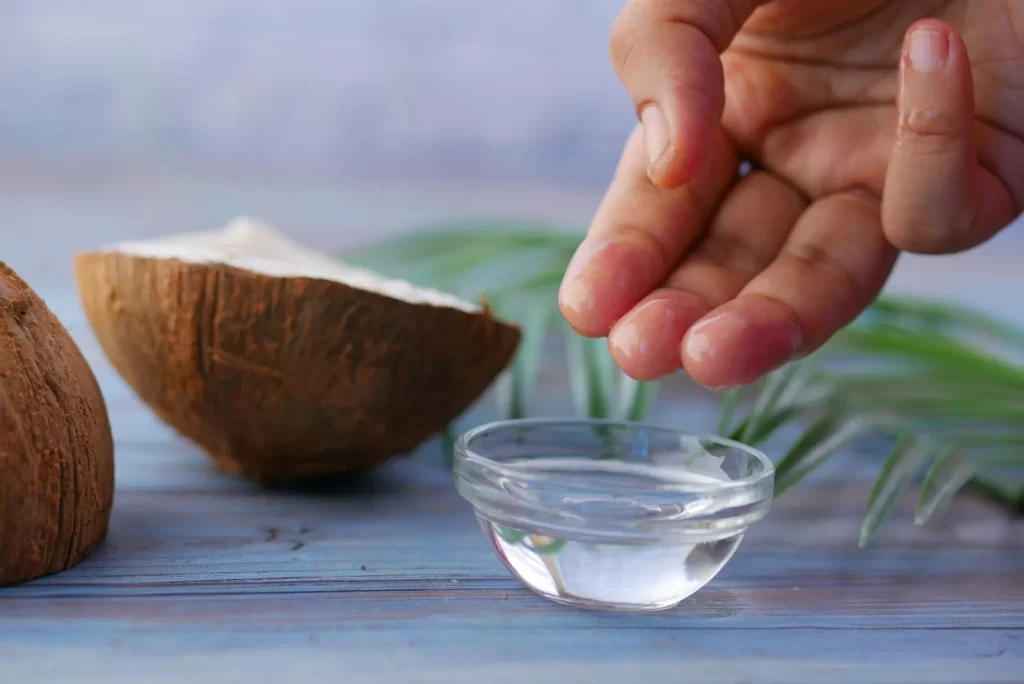
Coconut oil is often praised as a natural solution for dry hair and skin, but its benefits are highly dependent on how and where you use it. While it can help soften hair strands and reduce protein loss in certain hair types, applying it to acne-prone facial skin frequently leads to clogged pores and breakouts. Understanding when coconut oil works and when it causes more harm than good is essential before making it part of your routine.
Why Coconut Oil Helps Some Hair Types
Coconut oil contains lauric acid, a medium-chain fatty acid that penetrates the hair shaft more effectively than many other oils. This penetration helps reduce protein loss during washing, which matters most for people with coarse, dry, or damaged hair. A study published in the Journal of Cosmetic Science found that coconut oil reduced protein loss in both undamaged and damaged hair when used as a pre-wash treatment.
However, this same penetrating quality makes coconut oil less ideal for fine or low-porosity hair. If your hair tends to feel weighed down or greasy shortly after washing, coconut oil may sit on the surface rather than absorb, leaving hair limp and oily-looking.
The Right Way to Use Coconut Oil on Hair
For hair that tolerates oils well, coconut oil works best as a pre-shampoo treatment rather than a leave-in conditioner. Apply a small amount to dry hair, focusing on the mid-lengths and ends rather than the scalp. Leave it on for at least 20 minutes or overnight, then wash thoroughly with shampoo. People with oily scalps or seborrheic dermatitis should avoid applying coconut oil to the scalp entirely, as it can worsen flaking and inflammation.
As a body moisturizer, coconut oil provides occlusive hydration that helps prevent water loss from the skin. It works reasonably well on elbows, knees, and heels where skin is naturally thicker and drier. Always patch test first, and avoid using it on broken or freshly shaved skin, where it may cause irritation.
Why Facial Use Often Backfires
Coconut oil scores highly on the comedogenic scale, meaning it has a strong tendency to clog pores. For people with oily, combination, or acne-prone skin, applying coconut oil to the face often triggers closed comedones, blackheads, and inflammatory acne. The occlusive nature of the oil traps sebum, dead skin cells, and bacteria beneath the surface, creating an environment where acne thrives.
Even those with normal or dry skin may experience breakouts when using coconut oil on the face, particularly if applied thickly or left on overnight. If you choose to use it as a facial moisturizer, limit application to a very thin layer and monitor your skin closely for the first two weeks.
Recognizing Signs That Coconut Oil Does Not Suit You
Stop using coconut oil immediately if you notice any of the following: small white bumps appearing within a few days of use, increased redness or sensitivity, itching, or a feeling that your skin cannot breathe. These reactions indicate that the oil is too heavy for your skin type or that your pores are not tolerating it well.
For facial hydration, lighter alternatives such as squalane, jojoba oil, or formulations containing ceramides and hyaluronic acid typically cause fewer problems across different skin types. These ingredients provide moisture without the heavy occlusive barrier that coconut oil creates.
When to Seek Professional Advice
If you experience persistent breakouts, widespread redness, or signs of infection such as warmth, swelling, or pus after using coconut oil, consult a dermatologist rather than trying to treat the issue yourself. What appears to be a simple reaction to coconut oil may actually be an allergic contact dermatitis or a secondary infection that requires medical treatment.
References
- Rele AS, Mohile RB. Effect of mineral oil, sunflower oil, and coconut oil on prevention of hair damage. Journal of Cosmetic Science. 2003.
- American Academy of Dermatology. Acne: Overview. aad.org
- FDA. Cosmetics Safety Q&A. fda.gov
Coconut oil is often praised as a natural solution for dry hair and skin, but its benefits are highly dependent on how and where you use it. While it can help soften hair strands and reduce protein loss in certain hair types, applying it to acne-prone facial skin frequently leads to clogged pores and breakouts. Understanding when coconut oil works and when it causes more harm than good is essential before making it part of your routine.
Why Coconut Oil Helps Some Hair Types
Coconut oil contains lauric acid, a medium-chain fatty acid that penetrates the hair shaft more effectively than many other oils. This penetration helps reduce protein loss during washing, which matters most for people with coarse, dry, or damaged hair. A study published in the Journal of Cosmetic Science found that coconut oil reduced protein loss in both undamaged and damaged hair when used as a pre-wash treatment.
However, this same penetrating quality makes coconut oil less ideal for fine or low-porosity hair. If your hair tends to feel weighed down or greasy shortly after washing, coconut oil may sit on the surface rather than absorb, leaving hair limp and oily-looking.
The Right Way to Use Coconut Oil on Hair
For hair that tolerates oils well, coconut oil works best as a pre-shampoo treatment rather than a leave-in conditioner. Apply a small amount to dry hair, focusing on the mid-lengths and ends rather than the scalp. Leave it on for at least 20 minutes or overnight, then wash thoroughly with shampoo. People with oily scalps or seborrheic dermatitis should avoid applying coconut oil to the scalp entirely, as it can worsen flaking and inflammation.
As a body moisturizer, coconut oil provides occlusive hydration that helps prevent water loss from the skin. It works reasonably well on elbows, knees, and heels where skin is naturally thicker and drier. Always patch test first, and avoid using it on broken or freshly shaved skin, where it may cause irritation.
Why Facial Use Often Backfires
Coconut oil scores highly on the comedogenic scale, meaning it has a strong tendency to clog pores. For people with oily, combination, or acne-prone skin, applying coconut oil to the face often triggers closed comedones, blackheads, and inflammatory acne. The occlusive nature of the oil traps sebum, dead skin cells, and bacteria beneath the surface, creating an environment where acne thrives.
Even those with normal or dry skin may experience breakouts when using coconut oil on the face, particularly if applied thickly or left on overnight. If you choose to use it as a facial moisturizer, limit application to a very thin layer and monitor your skin closely for the first two weeks.
Recognizing Signs That Coconut Oil Does Not Suit You
Stop using coconut oil immediately if you notice any of the following: small white bumps appearing within a few days of use, increased redness or sensitivity, itching, or a feeling that your skin cannot breathe. These reactions indicate that the oil is too heavy for your skin type or that your pores are not tolerating it well.
For facial hydration, lighter alternatives such as squalane, jojoba oil, or formulations containing ceramides and hyaluronic acid typically cause fewer problems across different skin types. These ingredients provide moisture without the heavy occlusive barrier that coconut oil creates.
When to Seek Professional Advice
If you experience persistent breakouts, widespread redness, or signs of infection such as warmth, swelling, or pus after using coconut oil, consult a dermatologist rather than trying to treat the issue yourself. What appears to be a simple reaction to coconut oil may actually be an allergic contact dermatitis or a secondary infection that requires medical treatment.
References
- Rele AS, Mohile RB. Effect of mineral oil, sunflower oil, and coconut oil on prevention of hair damage. Journal of Cosmetic Science. 2003.
- American Academy of Dermatology. Acne: Overview. aad.org
- FDA. Cosmetics Safety Q&A. fda.gov
Coconut oil is often praised as a natural solution for dry hair and skin, but its benefits are highly dependent on how and where you use it. While it can help soften hair strands and reduce protein loss in certain hair types, applying it to acne-prone facial skin frequently leads to clogged pores and breakouts. Understanding when coconut oil works and when it causes more harm than good is essential before making it part of your routine.
Why Coconut Oil Helps Some Hair Types
Coconut oil contains lauric acid, a medium-chain fatty acid that penetrates the hair shaft more effectively than many other oils. This penetration helps reduce protein loss during washing, which matters most for people with coarse, dry, or damaged hair. A study published in the Journal of Cosmetic Science found that coconut oil reduced protein loss in both undamaged and damaged hair when used as a pre-wash treatment.
However, this same penetrating quality makes coconut oil less ideal for fine or low-porosity hair. If your hair tends to feel weighed down or greasy shortly after washing, coconut oil may sit on the surface rather than absorb, leaving hair limp and oily-looking.
The Right Way to Use Coconut Oil on Hair
For hair that tolerates oils well, coconut oil works best as a pre-shampoo treatment rather than a leave-in conditioner. Apply a small amount to dry hair, focusing on the mid-lengths and ends rather than the scalp. Leave it on for at least 20 minutes or overnight, then wash thoroughly with shampoo. People with oily scalps or seborrheic dermatitis should avoid applying coconut oil to the scalp entirely, as it can worsen flaking and inflammation.
As a body moisturizer, coconut oil provides occlusive hydration that helps prevent water loss from the skin. It works reasonably well on elbows, knees, and heels where skin is naturally thicker and drier. Always patch test first, and avoid using it on broken or freshly shaved skin, where it may cause irritation.
Why Facial Use Often Backfires
Coconut oil scores highly on the comedogenic scale, meaning it has a strong tendency to clog pores. For people with oily, combination, or acne-prone skin, applying coconut oil to the face often triggers closed comedones, blackheads, and inflammatory acne. The occlusive nature of the oil traps sebum, dead skin cells, and bacteria beneath the surface, creating an environment where acne thrives.
Even those with normal or dry skin may experience breakouts when using coconut oil on the face, particularly if applied thickly or left on overnight. If you choose to use it as a facial moisturizer, limit application to a very thin layer and monitor your skin closely for the first two weeks.
Recognizing Signs That Coconut Oil Does Not Suit You
Stop using coconut oil immediately if you notice any of the following: small white bumps appearing within a few days of use, increased redness or sensitivity, itching, or a feeling that your skin cannot breathe. These reactions indicate that the oil is too heavy for your skin type or that your pores are not tolerating it well.
For facial hydration, lighter alternatives such as squalane, jojoba oil, or formulations containing ceramides and hyaluronic acid typically cause fewer problems across different skin types. These ingredients provide moisture without the heavy occlusive barrier that coconut oil creates.
When to Seek Professional Advice
If you experience persistent breakouts, widespread redness, or signs of infection such as warmth, swelling, or pus after using coconut oil, consult a dermatologist rather than trying to treat the issue yourself. What appears to be a simple reaction to coconut oil may actually be an allergic contact dermatitis or a secondary infection that requires medical treatment.
References
- Rele AS, Mohile RB. Effect of mineral oil, sunflower oil, and coconut oil on prevention of hair damage. Journal of Cosmetic Science. 2003.
- American Academy of Dermatology. Acne: Overview. aad.org
- FDA. Cosmetics Safety Q&A. fda.gov
Coconut oil is often praised as a natural solution for dry hair and skin, but its benefits are highly dependent on how and where you use it. While it can help soften hair strands and reduce protein loss in certain hair types, applying it to acne-prone facial skin frequently leads to clogged pores and breakouts. Understanding when coconut oil works and when it causes more harm than good is essential before making it part of your routine.
Why Coconut Oil Helps Some Hair Types
Coconut oil contains lauric acid, a medium-chain fatty acid that penetrates the hair shaft more effectively than many other oils. This penetration helps reduce protein loss during washing, which matters most for people with coarse, dry, or damaged hair. A study published in the Journal of Cosmetic Science found that coconut oil reduced protein loss in both undamaged and damaged hair when used as a pre-wash treatment.
However, this same penetrating quality makes coconut oil less ideal for fine or low-porosity hair. If your hair tends to feel weighed down or greasy shortly after washing, coconut oil may sit on the surface rather than absorb, leaving hair limp and oily-looking.
The Right Way to Use Coconut Oil on Hair
For hair that tolerates oils well, coconut oil works best as a pre-shampoo treatment rather than a leave-in conditioner. Apply a small amount to dry hair, focusing on the mid-lengths and ends rather than the scalp. Leave it on for at least 20 minutes or overnight, then wash thoroughly with shampoo. People with oily scalps or seborrheic dermatitis should avoid applying coconut oil to the scalp entirely, as it can worsen flaking and inflammation.
As a body moisturizer, coconut oil provides occlusive hydration that helps prevent water loss from the skin. It works reasonably well on elbows, knees, and heels where skin is naturally thicker and drier. Always patch test first, and avoid using it on broken or freshly shaved skin, where it may cause irritation.
Why Facial Use Often Backfires
Coconut oil scores highly on the comedogenic scale, meaning it has a strong tendency to clog pores. For people with oily, combination, or acne-prone skin, applying coconut oil to the face often triggers closed comedones, blackheads, and inflammatory acne. The occlusive nature of the oil traps sebum, dead skin cells, and bacteria beneath the surface, creating an environment where acne thrives.
Even those with normal or dry skin may experience breakouts when using coconut oil on the face, particularly if applied thickly or left on overnight. If you choose to use it as a facial moisturizer, limit application to a very thin layer and monitor your skin closely for the first two weeks.
Recognizing Signs That Coconut Oil Does Not Suit You
Stop using coconut oil immediately if you notice any of the following: small white bumps appearing within a few days of use, increased redness or sensitivity, itching, or a feeling that your skin cannot breathe. These reactions indicate that the oil is too heavy for your skin type or that your pores are not tolerating it well.
For facial hydration, lighter alternatives such as squalane, jojoba oil, or formulations containing ceramides and hyaluronic acid typically cause fewer problems across different skin types. These ingredients provide moisture without the heavy occlusive barrier that coconut oil creates.
When to Seek Professional Advice
If you experience persistent breakouts, widespread redness, or signs of infection such as warmth, swelling, or pus after using coconut oil, consult a dermatologist rather than trying to treat the issue yourself. What appears to be a simple reaction to coconut oil may actually be an allergic contact dermatitis or a secondary infection that requires medical treatment.
References
- Rele AS, Mohile RB. Effect of mineral oil, sunflower oil, and coconut oil on prevention of hair damage. Journal of Cosmetic Science. 2003.
- American Academy of Dermatology. Acne: Overview. aad.org
- FDA. Cosmetics Safety Q&A. fda.gov
Coconut oil is often praised as a natural solution for dry hair and skin, but its benefits are highly dependent on how and where you use it. While it can help soften hair strands and reduce protein loss in certain hair types, applying it to acne-prone facial skin frequently leads to clogged pores and breakouts. Understanding when coconut oil works and when it causes more harm than good is essential before making it part of your routine.
Why Coconut Oil Helps Some Hair Types
Coconut oil contains lauric acid, a medium-chain fatty acid that penetrates the hair shaft more effectively than many other oils. This penetration helps reduce protein loss during washing, which matters most for people with coarse, dry, or damaged hair. A study published in the Journal of Cosmetic Science found that coconut oil reduced protein loss in both undamaged and damaged hair when used as a pre-wash treatment.
However, this same penetrating quality makes coconut oil less ideal for fine or low-porosity hair. If your hair tends to feel weighed down or greasy shortly after washing, coconut oil may sit on the surface rather than absorb, leaving hair limp and oily-looking.
The Right Way to Use Coconut Oil on Hair
For hair that tolerates oils well, coconut oil works best as a pre-shampoo treatment rather than a leave-in conditioner. Apply a small amount to dry hair, focusing on the mid-lengths and ends rather than the scalp. Leave it on for at least 20 minutes or overnight, then wash thoroughly with shampoo. People with oily scalps or seborrheic dermatitis should avoid applying coconut oil to the scalp entirely, as it can worsen flaking and inflammation.
As a body moisturizer, coconut oil provides occlusive hydration that helps prevent water loss from the skin. It works reasonably well on elbows, knees, and heels where skin is naturally thicker and drier. Always patch test first, and avoid using it on broken or freshly shaved skin, where it may cause irritation.
Why Facial Use Often Backfires
Coconut oil scores highly on the comedogenic scale, meaning it has a strong tendency to clog pores. For people with oily, combination, or acne-prone skin, applying coconut oil to the face often triggers closed comedones, blackheads, and inflammatory acne. The occlusive nature of the oil traps sebum, dead skin cells, and bacteria beneath the surface, creating an environment where acne thrives.
Even those with normal or dry skin may experience breakouts when using coconut oil on the face, particularly if applied thickly or left on overnight. If you choose to use it as a facial moisturizer, limit application to a very thin layer and monitor your skin closely for the first two weeks.
Recognizing Signs That Coconut Oil Does Not Suit You
Stop using coconut oil immediately if you notice any of the following: small white bumps appearing within a few days of use, increased redness or sensitivity, itching, or a feeling that your skin cannot breathe. These reactions indicate that the oil is too heavy for your skin type or that your pores are not tolerating it well.
For facial hydration, lighter alternatives such as squalane, jojoba oil, or formulations containing ceramides and hyaluronic acid typically cause fewer problems across different skin types. These ingredients provide moisture without the heavy occlusive barrier that coconut oil creates.
When to Seek Professional Advice
If you experience persistent breakouts, widespread redness, or signs of infection such as warmth, swelling, or pus after using coconut oil, consult a dermatologist rather than trying to treat the issue yourself. What appears to be a simple reaction to coconut oil may actually be an allergic contact dermatitis or a secondary infection that requires medical treatment.
References
- Rele AS, Mohile RB. Effect of mineral oil, sunflower oil, and coconut oil on prevention of hair damage. Journal of Cosmetic Science. 2003.
- American Academy of Dermatology. Acne: Overview. aad.org
- FDA. Cosmetics Safety Q&A. fda.gov
For hair that tolerates oils well, coconut oil works best as a pre-shampoo treatment rather than a leave-in conditioner. Apply a small amount to dry hair, focusing on the mid-lengths and ends rather than the scalp. Leave it on for at least 20 minutes or overnight, then wash thoroughly with shampoo. People with oily scalps or seborrheic dermatitis should avoid applying coconut oil to the scalp entirely, as it can worsen flaking and inflammation.
As a body moisturizer, coconut oil provides occlusive hydration that helps prevent water loss from the skin. It works reasonably well on elbows, knees, and heels where skin is naturally thicker and drier. Always patch test first, and avoid using it on broken or freshly shaved skin, where it may cause irritation.
Why Facial Use Often Backfires
Coconut oil scores highly on the comedogenic scale, meaning it has a strong tendency to clog pores. For people with oily, combination, or acne-prone skin, applying coconut oil to the face often triggers closed comedones, blackheads, and inflammatory acne. The occlusive nature of the oil traps sebum, dead skin cells, and bacteria beneath the surface, creating an environment where acne thrives.
Even those with normal or dry skin may experience breakouts when using coconut oil on the face, particularly if applied thickly or left on overnight. If you choose to use it as a facial moisturizer, limit application to a very thin layer and monitor your skin closely for the first two weeks.
Recognizing Signs That Coconut Oil Does Not Suit You
Stop using coconut oil immediately if you notice any of the following: small white bumps appearing within a few days of use, increased redness or sensitivity, itching, or a feeling that your skin cannot breathe. These reactions indicate that the oil is too heavy for your skin type or that your pores are not tolerating it well.
For facial hydration, lighter alternatives such as squalane, jojoba oil, or formulations containing ceramides and hyaluronic acid typically cause fewer problems across different skin types. These ingredients provide moisture without the heavy occlusive barrier that coconut oil creates.
When to Seek Professional Advice
If you experience persistent breakouts, widespread redness, or signs of infection such as warmth, swelling, or pus after using coconut oil, consult a dermatologist rather than trying to treat the issue yourself. What appears to be a simple reaction to coconut oil may actually be an allergic contact dermatitis or a secondary infection that requires medical treatment.
References
- Rele AS, Mohile RB. Effect of mineral oil, sunflower oil, and coconut oil on prevention of hair damage. Journal of Cosmetic Science. 2003.
- American Academy of Dermatology. Acne: Overview. aad.org
- FDA. Cosmetics Safety Q&A. fda.gov
Coconut oil is often praised as a natural solution for dry hair and skin, but its benefits are highly dependent on how and where you use it. While it can help soften hair strands and reduce protein loss in certain hair types, applying it to acne-prone facial skin frequently leads to clogged pores and breakouts. Understanding when coconut oil works and when it causes more harm than good is essential before making it part of your routine.
Why Coconut Oil Helps Some Hair Types
Coconut oil contains lauric acid, a medium-chain fatty acid that penetrates the hair shaft more effectively than many other oils. This penetration helps reduce protein loss during washing, which matters most for people with coarse, dry, or damaged hair. A study published in the Journal of Cosmetic Science found that coconut oil reduced protein loss in both undamaged and damaged hair when used as a pre-wash treatment.
However, this same penetrating quality makes coconut oil less ideal for fine or low-porosity hair. If your hair tends to feel weighed down or greasy shortly after washing, coconut oil may sit on the surface rather than absorb, leaving hair limp and oily-looking.
The Right Way to Use Coconut Oil on Hair
For hair that tolerates oils well, coconut oil works best as a pre-shampoo treatment rather than a leave-in conditioner. Apply a small amount to dry hair, focusing on the mid-lengths and ends rather than the scalp. Leave it on for at least 20 minutes or overnight, then wash thoroughly with shampoo. People with oily scalps or seborrheic dermatitis should avoid applying coconut oil to the scalp entirely, as it can worsen flaking and inflammation.
As a body moisturizer, coconut oil provides occlusive hydration that helps prevent water loss from the skin. It works reasonably well on elbows, knees, and heels where skin is naturally thicker and drier. Always patch test first, and avoid using it on broken or freshly shaved skin, where it may cause irritation.
Why Facial Use Often Backfires
Coconut oil scores highly on the comedogenic scale, meaning it has a strong tendency to clog pores. For people with oily, combination, or acne-prone skin, applying coconut oil to the face often triggers closed comedones, blackheads, and inflammatory acne. The occlusive nature of the oil traps sebum, dead skin cells, and bacteria beneath the surface, creating an environment where acne thrives.
Even those with normal or dry skin may experience breakouts when using coconut oil on the face, particularly if applied thickly or left on overnight. If you choose to use it as a facial moisturizer, limit application to a very thin layer and monitor your skin closely for the first two weeks.
Recognizing Signs That Coconut Oil Does Not Suit You
Stop using coconut oil immediately if you notice any of the following: small white bumps appearing within a few days of use, increased redness or sensitivity, itching, or a feeling that your skin cannot breathe. These reactions indicate that the oil is too heavy for your skin type or that your pores are not tolerating it well.
For facial hydration, lighter alternatives such as squalane, jojoba oil, or formulations containing ceramides and hyaluronic acid typically cause fewer problems across different skin types. These ingredients provide moisture without the heavy occlusive barrier that coconut oil creates.
When to Seek Professional Advice
If you experience persistent breakouts, widespread redness, or signs of infection such as warmth, swelling, or pus after using coconut oil, consult a dermatologist rather than trying to treat the issue yourself. What appears to be a simple reaction to coconut oil may actually be an allergic contact dermatitis or a secondary infection that requires medical treatment.
References
- Rele AS, Mohile RB. Effect of mineral oil, sunflower oil, and coconut oil on prevention of hair damage. Journal of Cosmetic Science. 2003.
- American Academy of Dermatology. Acne: Overview. aad.org
- FDA. Cosmetics Safety Q&A. fda.gov
For hair that tolerates oils well, coconut oil works best as a pre-shampoo treatment rather than a leave-in conditioner. Apply a small amount to dry hair, focusing on the mid-lengths and ends rather than the scalp. Leave it on for at least 20 minutes or overnight, then wash thoroughly with shampoo. People with oily scalps or seborrheic dermatitis should avoid applying coconut oil to the scalp entirely, as it can worsen flaking and inflammation.
As a body moisturizer, coconut oil provides occlusive hydration that helps prevent water loss from the skin. It works reasonably well on elbows, knees, and heels where skin is naturally thicker and drier. Always patch test first, and avoid using it on broken or freshly shaved skin, where it may cause irritation.
Why Facial Use Often Backfires
Coconut oil scores highly on the comedogenic scale, meaning it has a strong tendency to clog pores. For people with oily, combination, or acne-prone skin, applying coconut oil to the face often triggers closed comedones, blackheads, and inflammatory acne. The occlusive nature of the oil traps sebum, dead skin cells, and bacteria beneath the surface, creating an environment where acne thrives.
Even those with normal or dry skin may experience breakouts when using coconut oil on the face, particularly if applied thickly or left on overnight. If you choose to use it as a facial moisturizer, limit application to a very thin layer and monitor your skin closely for the first two weeks.
Recognizing Signs That Coconut Oil Does Not Suit You
Stop using coconut oil immediately if you notice any of the following: small white bumps appearing within a few days of use, increased redness or sensitivity, itching, or a feeling that your skin cannot breathe. These reactions indicate that the oil is too heavy for your skin type or that your pores are not tolerating it well.
For facial hydration, lighter alternatives such as squalane, jojoba oil, or formulations containing ceramides and hyaluronic acid typically cause fewer problems across different skin types. These ingredients provide moisture without the heavy occlusive barrier that coconut oil creates.
When to Seek Professional Advice
If you experience persistent breakouts, widespread redness, or signs of infection such as warmth, swelling, or pus after using coconut oil, consult a dermatologist rather than trying to treat the issue yourself. What appears to be a simple reaction to coconut oil may actually be an allergic contact dermatitis or a secondary infection that requires medical treatment.
References
- Rele AS, Mohile RB. Effect of mineral oil, sunflower oil, and coconut oil on prevention of hair damage. Journal of Cosmetic Science. 2003.
- American Academy of Dermatology. Acne: Overview. aad.org
- FDA. Cosmetics Safety Q&A. fda.gov
Coconut oil is often praised as a natural solution for dry hair and skin, but its benefits are highly dependent on how and where you use it. While it can help soften hair strands and reduce protein loss in certain hair types, applying it to acne-prone facial skin frequently leads to clogged pores and breakouts. Understanding when coconut oil works and when it causes more harm than good is essential before making it part of your routine.
Why Coconut Oil Helps Some Hair Types
Coconut oil contains lauric acid, a medium-chain fatty acid that penetrates the hair shaft more effectively than many other oils. This penetration helps reduce protein loss during washing, which matters most for people with coarse, dry, or damaged hair. A study published in the Journal of Cosmetic Science found that coconut oil reduced protein loss in both undamaged and damaged hair when used as a pre-wash treatment.
However, this same penetrating quality makes coconut oil less ideal for fine or low-porosity hair. If your hair tends to feel weighed down or greasy shortly after washing, coconut oil may sit on the surface rather than absorb, leaving hair limp and oily-looking.
The Right Way to Use Coconut Oil on Hair
For hair that tolerates oils well, coconut oil works best as a pre-shampoo treatment rather than a leave-in conditioner. Apply a small amount to dry hair, focusing on the mid-lengths and ends rather than the scalp. Leave it on for at least 20 minutes or overnight, then wash thoroughly with shampoo. People with oily scalps or seborrheic dermatitis should avoid applying coconut oil to the scalp entirely, as it can worsen flaking and inflammation.
As a body moisturizer, coconut oil provides occlusive hydration that helps prevent water loss from the skin. It works reasonably well on elbows, knees, and heels where skin is naturally thicker and drier. Always patch test first, and avoid using it on broken or freshly shaved skin, where it may cause irritation.
Why Facial Use Often Backfires
Coconut oil scores highly on the comedogenic scale, meaning it has a strong tendency to clog pores. For people with oily, combination, or acne-prone skin, applying coconut oil to the face often triggers closed comedones, blackheads, and inflammatory acne. The occlusive nature of the oil traps sebum, dead skin cells, and bacteria beneath the surface, creating an environment where acne thrives.
Even those with normal or dry skin may experience breakouts when using coconut oil on the face, particularly if applied thickly or left on overnight. If you choose to use it as a facial moisturizer, limit application to a very thin layer and monitor your skin closely for the first two weeks.
Recognizing Signs That Coconut Oil Does Not Suit You
Stop using coconut oil immediately if you notice any of the following: small white bumps appearing within a few days of use, increased redness or sensitivity, itching, or a feeling that your skin cannot breathe. These reactions indicate that the oil is too heavy for your skin type or that your pores are not tolerating it well.
For facial hydration, lighter alternatives such as squalane, jojoba oil, or formulations containing ceramides and hyaluronic acid typically cause fewer problems across different skin types. These ingredients provide moisture without the heavy occlusive barrier that coconut oil creates.
When to Seek Professional Advice
If you experience persistent breakouts, widespread redness, or signs of infection such as warmth, swelling, or pus after using coconut oil, consult a dermatologist rather than trying to treat the issue yourself. What appears to be a simple reaction to coconut oil may actually be an allergic contact dermatitis or a secondary infection that requires medical treatment.
References
- Rele AS, Mohile RB. Effect of mineral oil, sunflower oil, and coconut oil on prevention of hair damage. Journal of Cosmetic Science. 2003.
- American Academy of Dermatology. Acne: Overview. aad.org
- FDA. Cosmetics Safety Q&A. fda.gov
For hair that tolerates oils well, coconut oil works best as a pre-shampoo treatment rather than a leave-in conditioner. Apply a small amount to dry hair, focusing on the mid-lengths and ends rather than the scalp. Leave it on for at least 20 minutes or overnight, then wash thoroughly with shampoo. People with oily scalps or seborrheic dermatitis should avoid applying coconut oil to the scalp entirely, as it can worsen flaking and inflammation.
As a body moisturizer, coconut oil provides occlusive hydration that helps prevent water loss from the skin. It works reasonably well on elbows, knees, and heels where skin is naturally thicker and drier. Always patch test first, and avoid using it on broken or freshly shaved skin, where it may cause irritation.
Why Facial Use Often Backfires
Coconut oil scores highly on the comedogenic scale, meaning it has a strong tendency to clog pores. For people with oily, combination, or acne-prone skin, applying coconut oil to the face often triggers closed comedones, blackheads, and inflammatory acne. The occlusive nature of the oil traps sebum, dead skin cells, and bacteria beneath the surface, creating an environment where acne thrives.
Even those with normal or dry skin may experience breakouts when using coconut oil on the face, particularly if applied thickly or left on overnight. If you choose to use it as a facial moisturizer, limit application to a very thin layer and monitor your skin closely for the first two weeks.
Recognizing Signs That Coconut Oil Does Not Suit You
Stop using coconut oil immediately if you notice any of the following: small white bumps appearing within a few days of use, increased redness or sensitivity, itching, or a feeling that your skin cannot breathe. These reactions indicate that the oil is too heavy for your skin type or that your pores are not tolerating it well.
For facial hydration, lighter alternatives such as squalane, jojoba oil, or formulations containing ceramides and hyaluronic acid typically cause fewer problems across different skin types. These ingredients provide moisture without the heavy occlusive barrier that coconut oil creates.
When to Seek Professional Advice
If you experience persistent breakouts, widespread redness, or signs of infection such as warmth, swelling, or pus after using coconut oil, consult a dermatologist rather than trying to treat the issue yourself. What appears to be a simple reaction to coconut oil may actually be an allergic contact dermatitis or a secondary infection that requires medical treatment.
References
- Rele AS, Mohile RB. Effect of mineral oil, sunflower oil, and coconut oil on prevention of hair damage. Journal of Cosmetic Science. 2003.
- American Academy of Dermatology. Acne: Overview. aad.org
- FDA. Cosmetics Safety Q&A. fda.gov
Coconut oil is often praised as a natural solution for dry hair and skin, but its benefits are highly dependent on how and where you use it. While it can help soften hair strands and reduce protein loss in certain hair types, applying it to acne-prone facial skin frequently leads to clogged pores and breakouts. Understanding when coconut oil works and when it causes more harm than good is essential before making it part of your routine.
Why Coconut Oil Helps Some Hair Types
Coconut oil contains lauric acid, a medium-chain fatty acid that penetrates the hair shaft more effectively than many other oils. This penetration helps reduce protein loss during washing, which matters most for people with coarse, dry, or damaged hair. A study published in the Journal of Cosmetic Science found that coconut oil reduced protein loss in both undamaged and damaged hair when used as a pre-wash treatment.
However, this same penetrating quality makes coconut oil less ideal for fine or low-porosity hair. If your hair tends to feel weighed down or greasy shortly after washing, coconut oil may sit on the surface rather than absorb, leaving hair limp and oily-looking.
The Right Way to Use Coconut Oil on Hair
For hair that tolerates oils well, coconut oil works best as a pre-shampoo treatment rather than a leave-in conditioner. Apply a small amount to dry hair, focusing on the mid-lengths and ends rather than the scalp. Leave it on for at least 20 minutes or overnight, then wash thoroughly with shampoo. People with oily scalps or seborrheic dermatitis should avoid applying coconut oil to the scalp entirely, as it can worsen flaking and inflammation.
As a body moisturizer, coconut oil provides occlusive hydration that helps prevent water loss from the skin. It works reasonably well on elbows, knees, and heels where skin is naturally thicker and drier. Always patch test first, and avoid using it on broken or freshly shaved skin, where it may cause irritation.
Why Facial Use Often Backfires
Coconut oil scores highly on the comedogenic scale, meaning it has a strong tendency to clog pores. For people with oily, combination, or acne-prone skin, applying coconut oil to the face often triggers closed comedones, blackheads, and inflammatory acne. The occlusive nature of the oil traps sebum, dead skin cells, and bacteria beneath the surface, creating an environment where acne thrives.
Even those with normal or dry skin may experience breakouts when using coconut oil on the face, particularly if applied thickly or left on overnight. If you choose to use it as a facial moisturizer, limit application to a very thin layer and monitor your skin closely for the first two weeks.
Recognizing Signs That Coconut Oil Does Not Suit You
Stop using coconut oil immediately if you notice any of the following: small white bumps appearing within a few days of use, increased redness or sensitivity, itching, or a feeling that your skin cannot breathe. These reactions indicate that the oil is too heavy for your skin type or that your pores are not tolerating it well.
For facial hydration, lighter alternatives such as squalane, jojoba oil, or formulations containing ceramides and hyaluronic acid typically cause fewer problems across different skin types. These ingredients provide moisture without the heavy occlusive barrier that coconut oil creates.
When to Seek Professional Advice
If you experience persistent breakouts, widespread redness, or signs of infection such as warmth, swelling, or pus after using coconut oil, consult a dermatologist rather than trying to treat the issue yourself. What appears to be a simple reaction to coconut oil may actually be an allergic contact dermatitis or a secondary infection that requires medical treatment.
References
- Rele AS, Mohile RB. Effect of mineral oil, sunflower oil, and coconut oil on prevention of hair damage. Journal of Cosmetic Science. 2003.
- American Academy of Dermatology. Acne: Overview. aad.org
- FDA. Cosmetics Safety Q&A. fda.gov
For hair that tolerates oils well, coconut oil works best as a pre-shampoo treatment rather than a leave-in conditioner. Apply a small amount to dry hair, focusing on the mid-lengths and ends rather than the scalp. Leave it on for at least 20 minutes or overnight, then wash thoroughly with shampoo. People with oily scalps or seborrheic dermatitis should avoid applying coconut oil to the scalp entirely, as it can worsen flaking and inflammation.
As a body moisturizer, coconut oil provides occlusive hydration that helps prevent water loss from the skin. It works reasonably well on elbows, knees, and heels where skin is naturally thicker and drier. Always patch test first, and avoid using it on broken or freshly shaved skin, where it may cause irritation.
Why Facial Use Often Backfires
Coconut oil scores highly on the comedogenic scale, meaning it has a strong tendency to clog pores. For people with oily, combination, or acne-prone skin, applying coconut oil to the face often triggers closed comedones, blackheads, and inflammatory acne. The occlusive nature of the oil traps sebum, dead skin cells, and bacteria beneath the surface, creating an environment where acne thrives.
Even those with normal or dry skin may experience breakouts when using coconut oil on the face, particularly if applied thickly or left on overnight. If you choose to use it as a facial moisturizer, limit application to a very thin layer and monitor your skin closely for the first two weeks.
Recognizing Signs That Coconut Oil Does Not Suit You
Stop using coconut oil immediately if you notice any of the following: small white bumps appearing within a few days of use, increased redness or sensitivity, itching, or a feeling that your skin cannot breathe. These reactions indicate that the oil is too heavy for your skin type or that your pores are not tolerating it well.
For facial hydration, lighter alternatives such as squalane, jojoba oil, or formulations containing ceramides and hyaluronic acid typically cause fewer problems across different skin types. These ingredients provide moisture without the heavy occlusive barrier that coconut oil creates.
When to Seek Professional Advice
If you experience persistent breakouts, widespread redness, or signs of infection such as warmth, swelling, or pus after using coconut oil, consult a dermatologist rather than trying to treat the issue yourself. What appears to be a simple reaction to coconut oil may actually be an allergic contact dermatitis or a secondary infection that requires medical treatment.
References
- Rele AS, Mohile RB. Effect of mineral oil, sunflower oil, and coconut oil on prevention of hair damage. Journal of Cosmetic Science. 2003.
- American Academy of Dermatology. Acne: Overview. aad.org
- FDA. Cosmetics Safety Q&A. fda.gov
Coconut oil is often praised as a natural solution for dry hair and skin, but its benefits are highly dependent on how and where you use it. While it can help soften hair strands and reduce protein loss in certain hair types, applying it to acne-prone facial skin frequently leads to clogged pores and breakouts. Understanding when coconut oil works and when it causes more harm than good is essential before making it part of your routine.
Why Coconut Oil Helps Some Hair Types
Coconut oil contains lauric acid, a medium-chain fatty acid that penetrates the hair shaft more effectively than many other oils. This penetration helps reduce protein loss during washing, which matters most for people with coarse, dry, or damaged hair. A study published in the Journal of Cosmetic Science found that coconut oil reduced protein loss in both undamaged and damaged hair when used as a pre-wash treatment.
However, this same penetrating quality makes coconut oil less ideal for fine or low-porosity hair. If your hair tends to feel weighed down or greasy shortly after washing, coconut oil may sit on the surface rather than absorb, leaving hair limp and oily-looking.
The Right Way to Use Coconut Oil on Hair
For hair that tolerates oils well, coconut oil works best as a pre-shampoo treatment rather than a leave-in conditioner. Apply a small amount to dry hair, focusing on the mid-lengths and ends rather than the scalp. Leave it on for at least 20 minutes or overnight, then wash thoroughly with shampoo. People with oily scalps or seborrheic dermatitis should avoid applying coconut oil to the scalp entirely, as it can worsen flaking and inflammation.
As a body moisturizer, coconut oil provides occlusive hydration that helps prevent water loss from the skin. It works reasonably well on elbows, knees, and heels where skin is naturally thicker and drier. Always patch test first, and avoid using it on broken or freshly shaved skin, where it may cause irritation.
Why Facial Use Often Backfires
Coconut oil scores highly on the comedogenic scale, meaning it has a strong tendency to clog pores. For people with oily, combination, or acne-prone skin, applying coconut oil to the face often triggers closed comedones, blackheads, and inflammatory acne. The occlusive nature of the oil traps sebum, dead skin cells, and bacteria beneath the surface, creating an environment where acne thrives.
Even those with normal or dry skin may experience breakouts when using coconut oil on the face, particularly if applied thickly or left on overnight. If you choose to use it as a facial moisturizer, limit application to a very thin layer and monitor your skin closely for the first two weeks.
Recognizing Signs That Coconut Oil Does Not Suit You
Stop using coconut oil immediately if you notice any of the following: small white bumps appearing within a few days of use, increased redness or sensitivity, itching, or a feeling that your skin cannot breathe. These reactions indicate that the oil is too heavy for your skin type or that your pores are not tolerating it well.
For facial hydration, lighter alternatives such as squalane, jojoba oil, or formulations containing ceramides and hyaluronic acid typically cause fewer problems across different skin types. These ingredients provide moisture without the heavy occlusive barrier that coconut oil creates.
When to Seek Professional Advice
If you experience persistent breakouts, widespread redness, or signs of infection such as warmth, swelling, or pus after using coconut oil, consult a dermatologist rather than trying to treat the issue yourself. What appears to be a simple reaction to coconut oil may actually be an allergic contact dermatitis or a secondary infection that requires medical treatment.
References
- Rele AS, Mohile RB. Effect of mineral oil, sunflower oil, and coconut oil on prevention of hair damage. Journal of Cosmetic Science. 2003.
- American Academy of Dermatology. Acne: Overview. aad.org
- FDA. Cosmetics Safety Q&A. fda.gov
Coconut oil is often praised as a natural solution for dry hair and skin, but its benefits are highly dependent on how and where you use it. While it can help soften hair strands and reduce protein loss in certain hair types, applying it to acne-prone facial skin frequently leads to clogged pores and breakouts. Understanding when coconut oil works and when it causes more harm than good is essential before making it part of your routine.
Why Coconut Oil Helps Some Hair Types
Coconut oil contains lauric acid, a medium-chain fatty acid that penetrates the hair shaft more effectively than many other oils. This penetration helps reduce protein loss during washing, which matters most for people with coarse, dry, or damaged hair. A study published in the Journal of Cosmetic Science found that coconut oil reduced protein loss in both undamaged and damaged hair when used as a pre-wash treatment.
However, this same penetrating quality makes coconut oil less ideal for fine or low-porosity hair. If your hair tends to feel weighed down or greasy shortly after washing, coconut oil may sit on the surface rather than absorb, leaving hair limp and oily-looking.
The Right Way to Use Coconut Oil on Hair
For hair that tolerates oils well, coconut oil works best as a pre-shampoo treatment rather than a leave-in conditioner. Apply a small amount to dry hair, focusing on the mid-lengths and ends rather than the scalp. Leave it on for at least 20 minutes or overnight, then wash thoroughly with shampoo. People with oily scalps or seborrheic dermatitis should avoid applying coconut oil to the scalp entirely, as it can worsen flaking and inflammation.
As a body moisturizer, coconut oil provides occlusive hydration that helps prevent water loss from the skin. It works reasonably well on elbows, knees, and heels where skin is naturally thicker and drier. Always patch test first, and avoid using it on broken or freshly shaved skin, where it may cause irritation.
Why Facial Use Often Backfires
Coconut oil scores highly on the comedogenic scale, meaning it has a strong tendency to clog pores. For people with oily, combination, or acne-prone skin, applying coconut oil to the face often triggers closed comedones, blackheads, and inflammatory acne. The occlusive nature of the oil traps sebum, dead skin cells, and bacteria beneath the surface, creating an environment where acne thrives.
Even those with normal or dry skin may experience breakouts when using coconut oil on the face, particularly if applied thickly or left on overnight. If you choose to use it as a facial moisturizer, limit application to a very thin layer and monitor your skin closely for the first two weeks.
Recognizing Signs That Coconut Oil Does Not Suit You
Stop using coconut oil immediately if you notice any of the following: small white bumps appearing within a few days of use, increased redness or sensitivity, itching, or a feeling that your skin cannot breathe. These reactions indicate that the oil is too heavy for your skin type or that your pores are not tolerating it well.
For facial hydration, lighter alternatives such as squalane, jojoba oil, or formulations containing ceramides and hyaluronic acid typically cause fewer problems across different skin types. These ingredients provide moisture without the heavy occlusive barrier that coconut oil creates.
When to Seek Professional Advice
If you experience persistent breakouts, widespread redness, or signs of infection such as warmth, swelling, or pus after using coconut oil, consult a dermatologist rather than trying to treat the issue yourself. What appears to be a simple reaction to coconut oil may actually be an allergic contact dermatitis or a secondary infection that requires medical treatment.
References
- Rele AS, Mohile RB. Effect of mineral oil, sunflower oil, and coconut oil on prevention of hair damage. Journal of Cosmetic Science. 2003.
- American Academy of Dermatology. Acne: Overview. aad.org
- FDA. Cosmetics Safety Q&A. fda.gov
For hair that tolerates oils well, coconut oil works best as a pre-shampoo treatment rather than a leave-in conditioner. Apply a small amount to dry hair, focusing on the mid-lengths and ends rather than the scalp. Leave it on for at least 20 minutes or overnight, then wash thoroughly with shampoo. People with oily scalps or seborrheic dermatitis should avoid applying coconut oil to the scalp entirely, as it can worsen flaking and inflammation.
As a body moisturizer, coconut oil provides occlusive hydration that helps prevent water loss from the skin. It works reasonably well on elbows, knees, and heels where skin is naturally thicker and drier. Always patch test first, and avoid using it on broken or freshly shaved skin, where it may cause irritation.
Why Facial Use Often Backfires
Coconut oil scores highly on the comedogenic scale, meaning it has a strong tendency to clog pores. For people with oily, combination, or acne-prone skin, applying coconut oil to the face often triggers closed comedones, blackheads, and inflammatory acne. The occlusive nature of the oil traps sebum, dead skin cells, and bacteria beneath the surface, creating an environment where acne thrives.
Even those with normal or dry skin may experience breakouts when using coconut oil on the face, particularly if applied thickly or left on overnight. If you choose to use it as a facial moisturizer, limit application to a very thin layer and monitor your skin closely for the first two weeks.
Recognizing Signs That Coconut Oil Does Not Suit You
Stop using coconut oil immediately if you notice any of the following: small white bumps appearing within a few days of use, increased redness or sensitivity, itching, or a feeling that your skin cannot breathe. These reactions indicate that the oil is too heavy for your skin type or that your pores are not tolerating it well.
For facial hydration, lighter alternatives such as squalane, jojoba oil, or formulations containing ceramides and hyaluronic acid typically cause fewer problems across different skin types. These ingredients provide moisture without the heavy occlusive barrier that coconut oil creates.
When to Seek Professional Advice
If you experience persistent breakouts, widespread redness, or signs of infection such as warmth, swelling, or pus after using coconut oil, consult a dermatologist rather than trying to treat the issue yourself. What appears to be a simple reaction to coconut oil may actually be an allergic contact dermatitis or a secondary infection that requires medical treatment.
References
- Rele AS, Mohile RB. Effect of mineral oil, sunflower oil, and coconut oil on prevention of hair damage. Journal of Cosmetic Science. 2003.
- American Academy of Dermatology. Acne: Overview. aad.org
- FDA. Cosmetics Safety Q&A. fda.gov
Coconut oil is often praised as a natural solution for dry hair and skin, but its benefits are highly dependent on how and where you use it. While it can help soften hair strands and reduce protein loss in certain hair types, applying it to acne-prone facial skin frequently leads to clogged pores and breakouts. Understanding when coconut oil works and when it causes more harm than good is essential before making it part of your routine.
Why Coconut Oil Helps Some Hair Types
Coconut oil contains lauric acid, a medium-chain fatty acid that penetrates the hair shaft more effectively than many other oils. This penetration helps reduce protein loss during washing, which matters most for people with coarse, dry, or damaged hair. A study published in the Journal of Cosmetic Science found that coconut oil reduced protein loss in both undamaged and damaged hair when used as a pre-wash treatment.
However, this same penetrating quality makes coconut oil less ideal for fine or low-porosity hair. If your hair tends to feel weighed down or greasy shortly after washing, coconut oil may sit on the surface rather than absorb, leaving hair limp and oily-looking.
The Right Way to Use Coconut Oil on Hair
For hair that tolerates oils well, coconut oil works best as a pre-shampoo treatment rather than a leave-in conditioner. Apply a small amount to dry hair, focusing on the mid-lengths and ends rather than the scalp. Leave it on for at least 20 minutes or overnight, then wash thoroughly with shampoo. People with oily scalps or seborrheic dermatitis should avoid applying coconut oil to the scalp entirely, as it can worsen flaking and inflammation.
As a body moisturizer, coconut oil provides occlusive hydration that helps prevent water loss from the skin. It works reasonably well on elbows, knees, and heels where skin is naturally thicker and drier. Always patch test first, and avoid using it on broken or freshly shaved skin, where it may cause irritation.
Why Facial Use Often Backfires
Coconut oil scores highly on the comedogenic scale, meaning it has a strong tendency to clog pores. For people with oily, combination, or acne-prone skin, applying coconut oil to the face often triggers closed comedones, blackheads, and inflammatory acne. The occlusive nature of the oil traps sebum, dead skin cells, and bacteria beneath the surface, creating an environment where acne thrives.
Even those with normal or dry skin may experience breakouts when using coconut oil on the face, particularly if applied thickly or left on overnight. If you choose to use it as a facial moisturizer, limit application to a very thin layer and monitor your skin closely for the first two weeks.
Recognizing Signs That Coconut Oil Does Not Suit You
Stop using coconut oil immediately if you notice any of the following: small white bumps appearing within a few days of use, increased redness or sensitivity, itching, or a feeling that your skin cannot breathe. These reactions indicate that the oil is too heavy for your skin type or that your pores are not tolerating it well.
For facial hydration, lighter alternatives such as squalane, jojoba oil, or formulations containing ceramides and hyaluronic acid typically cause fewer problems across different skin types. These ingredients provide moisture without the heavy occlusive barrier that coconut oil creates.
When to Seek Professional Advice
If you experience persistent breakouts, widespread redness, or signs of infection such as warmth, swelling, or pus after using coconut oil, consult a dermatologist rather than trying to treat the issue yourself. What appears to be a simple reaction to coconut oil may actually be an allergic contact dermatitis or a secondary infection that requires medical treatment.
References
- Rele AS, Mohile RB. Effect of mineral oil, sunflower oil, and coconut oil on prevention of hair damage. Journal of Cosmetic Science. 2003.
- American Academy of Dermatology. Acne: Overview. aad.org
- FDA. Cosmetics Safety Q&A. fda.gov
For hair that tolerates oils well, coconut oil works best as a pre-shampoo treatment rather than a leave-in conditioner. Apply a small amount to dry hair, focusing on the mid-lengths and ends rather than the scalp. Leave it on for at least 20 minutes or overnight, then wash thoroughly with shampoo. People with oily scalps or seborrheic dermatitis should avoid applying coconut oil to the scalp entirely, as it can worsen flaking and inflammation.
As a body moisturizer, coconut oil provides occlusive hydration that helps prevent water loss from the skin. It works reasonably well on elbows, knees, and heels where skin is naturally thicker and drier. Always patch test first, and avoid using it on broken or freshly shaved skin, where it may cause irritation.
Why Facial Use Often Backfires
Coconut oil scores highly on the comedogenic scale, meaning it has a strong tendency to clog pores. For people with oily, combination, or acne-prone skin, applying coconut oil to the face often triggers closed comedones, blackheads, and inflammatory acne. The occlusive nature of the oil traps sebum, dead skin cells, and bacteria beneath the surface, creating an environment where acne thrives.
Even those with normal or dry skin may experience breakouts when using coconut oil on the face, particularly if applied thickly or left on overnight. If you choose to use it as a facial moisturizer, limit application to a very thin layer and monitor your skin closely for the first two weeks.
Recognizing Signs That Coconut Oil Does Not Suit You
Stop using coconut oil immediately if you notice any of the following: small white bumps appearing within a few days of use, increased redness or sensitivity, itching, or a feeling that your skin cannot breathe. These reactions indicate that the oil is too heavy for your skin type or that your pores are not tolerating it well.
For facial hydration, lighter alternatives such as squalane, jojoba oil, or formulations containing ceramides and hyaluronic acid typically cause fewer problems across different skin types. These ingredients provide moisture without the heavy occlusive barrier that coconut oil creates.
When to Seek Professional Advice
If you experience persistent breakouts, widespread redness, or signs of infection such as warmth, swelling, or pus after using coconut oil, consult a dermatologist rather than trying to treat the issue yourself. What appears to be a simple reaction to coconut oil may actually be an allergic contact dermatitis or a secondary infection that requires medical treatment.
References
- Rele AS, Mohile RB. Effect of mineral oil, sunflower oil, and coconut oil on prevention of hair damage. Journal of Cosmetic Science. 2003.
- American Academy of Dermatology. Acne: Overview. aad.org
- FDA. Cosmetics Safety Q&A. fda.gov
Coconut oil is often praised as a natural solution for dry hair and skin, but its benefits are highly dependent on how and where you use it. While it can help soften hair strands and reduce protein loss in certain hair types, applying it to acne-prone facial skin frequently leads to clogged pores and breakouts. Understanding when coconut oil works and when it causes more harm than good is essential before making it part of your routine.
Why Coconut Oil Helps Some Hair Types
Coconut oil contains lauric acid, a medium-chain fatty acid that penetrates the hair shaft more effectively than many other oils. This penetration helps reduce protein loss during washing, which matters most for people with coarse, dry, or damaged hair. A study published in the Journal of Cosmetic Science found that coconut oil reduced protein loss in both undamaged and damaged hair when used as a pre-wash treatment.
However, this same penetrating quality makes coconut oil less ideal for fine or low-porosity hair. If your hair tends to feel weighed down or greasy shortly after washing, coconut oil may sit on the surface rather than absorb, leaving hair limp and oily-looking.
The Right Way to Use Coconut Oil on Hair
For hair that tolerates oils well, coconut oil works best as a pre-shampoo treatment rather than a leave-in conditioner. Apply a small amount to dry hair, focusing on the mid-lengths and ends rather than the scalp. Leave it on for at least 20 minutes or overnight, then wash thoroughly with shampoo. People with oily scalps or seborrheic dermatitis should avoid applying coconut oil to the scalp entirely, as it can worsen flaking and inflammation.
As a body moisturizer, coconut oil provides occlusive hydration that helps prevent water loss from the skin. It works reasonably well on elbows, knees, and heels where skin is naturally thicker and drier. Always patch test first, and avoid using it on broken or freshly shaved skin, where it may cause irritation.
Why Facial Use Often Backfires
Coconut oil scores highly on the comedogenic scale, meaning it has a strong tendency to clog pores. For people with oily, combination, or acne-prone skin, applying coconut oil to the face often triggers closed comedones, blackheads, and inflammatory acne. The occlusive nature of the oil traps sebum, dead skin cells, and bacteria beneath the surface, creating an environment where acne thrives.
Even those with normal or dry skin may experience breakouts when using coconut oil on the face, particularly if applied thickly or left on overnight. If you choose to use it as a facial moisturizer, limit application to a very thin layer and monitor your skin closely for the first two weeks.
Recognizing Signs That Coconut Oil Does Not Suit You
Stop using coconut oil immediately if you notice any of the following: small white bumps appearing within a few days of use, increased redness or sensitivity, itching, or a feeling that your skin cannot breathe. These reactions indicate that the oil is too heavy for your skin type or that your pores are not tolerating it well.
For facial hydration, lighter alternatives such as squalane, jojoba oil, or formulations containing ceramides and hyaluronic acid typically cause fewer problems across different skin types. These ingredients provide moisture without the heavy occlusive barrier that coconut oil creates.
When to Seek Professional Advice
If you experience persistent breakouts, widespread redness, or signs of infection such as warmth, swelling, or pus after using coconut oil, consult a dermatologist rather than trying to treat the issue yourself. What appears to be a simple reaction to coconut oil may actually be an allergic contact dermatitis or a secondary infection that requires medical treatment.
References
- Rele AS, Mohile RB. Effect of mineral oil, sunflower oil, and coconut oil on prevention of hair damage. Journal of Cosmetic Science. 2003.
- American Academy of Dermatology. Acne: Overview. aad.org
- FDA. Cosmetics Safety Q&A. fda.gov
For hair that tolerates oils well, coconut oil works best as a pre-shampoo treatment rather than a leave-in conditioner. Apply a small amount to dry hair, focusing on the mid-lengths and ends rather than the scalp. Leave it on for at least 20 minutes or overnight, then wash thoroughly with shampoo. People with oily scalps or seborrheic dermatitis should avoid applying coconut oil to the scalp entirely, as it can worsen flaking and inflammation.
As a body moisturizer, coconut oil provides occlusive hydration that helps prevent water loss from the skin. It works reasonably well on elbows, knees, and heels where skin is naturally thicker and drier. Always patch test first, and avoid using it on broken or freshly shaved skin, where it may cause irritation.
Why Facial Use Often Backfires
Coconut oil scores highly on the comedogenic scale, meaning it has a strong tendency to clog pores. For people with oily, combination, or acne-prone skin, applying coconut oil to the face often triggers closed comedones, blackheads, and inflammatory acne. The occlusive nature of the oil traps sebum, dead skin cells, and bacteria beneath the surface, creating an environment where acne thrives.
Even those with normal or dry skin may experience breakouts when using coconut oil on the face, particularly if applied thickly or left on overnight. If you choose to use it as a facial moisturizer, limit application to a very thin layer and monitor your skin closely for the first two weeks.
Recognizing Signs That Coconut Oil Does Not Suit You
Stop using coconut oil immediately if you notice any of the following: small white bumps appearing within a few days of use, increased redness or sensitivity, itching, or a feeling that your skin cannot breathe. These reactions indicate that the oil is too heavy for your skin type or that your pores are not tolerating it well.
For facial hydration, lighter alternatives such as squalane, jojoba oil, or formulations containing ceramides and hyaluronic acid typically cause fewer problems across different skin types. These ingredients provide moisture without the heavy occlusive barrier that coconut oil creates.
When to Seek Professional Advice
If you experience persistent breakouts, widespread redness, or signs of infection such as warmth, swelling, or pus after using coconut oil, consult a dermatologist rather than trying to treat the issue yourself. What appears to be a simple reaction to coconut oil may actually be an allergic contact dermatitis or a secondary infection that requires medical treatment.
References
- Rele AS, Mohile RB. Effect of mineral oil, sunflower oil, and coconut oil on prevention of hair damage. Journal of Cosmetic Science. 2003.
- American Academy of Dermatology. Acne: Overview. aad.org
- FDA. Cosmetics Safety Q&A. fda.gov
Coconut oil is often praised as a natural solution for dry hair and skin, but its benefits are highly dependent on how and where you use it. While it can help soften hair strands and reduce protein loss in certain hair types, applying it to acne-prone facial skin frequently leads to clogged pores and breakouts. Understanding when coconut oil works and when it causes more harm than good is essential before making it part of your routine.
Why Coconut Oil Helps Some Hair Types
Coconut oil contains lauric acid, a medium-chain fatty acid that penetrates the hair shaft more effectively than many other oils. This penetration helps reduce protein loss during washing, which matters most for people with coarse, dry, or damaged hair. A study published in the Journal of Cosmetic Science found that coconut oil reduced protein loss in both undamaged and damaged hair when used as a pre-wash treatment.
However, this same penetrating quality makes coconut oil less ideal for fine or low-porosity hair. If your hair tends to feel weighed down or greasy shortly after washing, coconut oil may sit on the surface rather than absorb, leaving hair limp and oily-looking.
The Right Way to Use Coconut Oil on Hair
For hair that tolerates oils well, coconut oil works best as a pre-shampoo treatment rather than a leave-in conditioner. Apply a small amount to dry hair, focusing on the mid-lengths and ends rather than the scalp. Leave it on for at least 20 minutes or overnight, then wash thoroughly with shampoo. People with oily scalps or seborrheic dermatitis should avoid applying coconut oil to the scalp entirely, as it can worsen flaking and inflammation.
As a body moisturizer, coconut oil provides occlusive hydration that helps prevent water loss from the skin. It works reasonably well on elbows, knees, and heels where skin is naturally thicker and drier. Always patch test first, and avoid using it on broken or freshly shaved skin, where it may cause irritation.
Why Facial Use Often Backfires
Coconut oil scores highly on the comedogenic scale, meaning it has a strong tendency to clog pores. For people with oily, combination, or acne-prone skin, applying coconut oil to the face often triggers closed comedones, blackheads, and inflammatory acne. The occlusive nature of the oil traps sebum, dead skin cells, and bacteria beneath the surface, creating an environment where acne thrives.
Even those with normal or dry skin may experience breakouts when using coconut oil on the face, particularly if applied thickly or left on overnight. If you choose to use it as a facial moisturizer, limit application to a very thin layer and monitor your skin closely for the first two weeks.
Recognizing Signs That Coconut Oil Does Not Suit You
Stop using coconut oil immediately if you notice any of the following: small white bumps appearing within a few days of use, increased redness or sensitivity, itching, or a feeling that your skin cannot breathe. These reactions indicate that the oil is too heavy for your skin type or that your pores are not tolerating it well.
For facial hydration, lighter alternatives such as squalane, jojoba oil, or formulations containing ceramides and hyaluronic acid typically cause fewer problems across different skin types. These ingredients provide moisture without the heavy occlusive barrier that coconut oil creates.
When to Seek Professional Advice
If you experience persistent breakouts, widespread redness, or signs of infection such as warmth, swelling, or pus after using coconut oil, consult a dermatologist rather than trying to treat the issue yourself. What appears to be a simple reaction to coconut oil may actually be an allergic contact dermatitis or a secondary infection that requires medical treatment.
References
- Rele AS, Mohile RB. Effect of mineral oil, sunflower oil, and coconut oil on prevention of hair damage. Journal of Cosmetic Science. 2003.
- American Academy of Dermatology. Acne: Overview. aad.org
- FDA. Cosmetics Safety Q&A. fda.gov
For hair that tolerates oils well, coconut oil works best as a pre-shampoo treatment rather than a leave-in conditioner. Apply a small amount to dry hair, focusing on the mid-lengths and ends rather than the scalp. Leave it on for at least 20 minutes or overnight, then wash thoroughly with shampoo. People with oily scalps or seborrheic dermatitis should avoid applying coconut oil to the scalp entirely, as it can worsen flaking and inflammation.
As a body moisturizer, coconut oil provides occlusive hydration that helps prevent water loss from the skin. It works reasonably well on elbows, knees, and heels where skin is naturally thicker and drier. Always patch test first, and avoid using it on broken or freshly shaved skin, where it may cause irritation.
Why Facial Use Often Backfires
Coconut oil scores highly on the comedogenic scale, meaning it has a strong tendency to clog pores. For people with oily, combination, or acne-prone skin, applying coconut oil to the face often triggers closed comedones, blackheads, and inflammatory acne. The occlusive nature of the oil traps sebum, dead skin cells, and bacteria beneath the surface, creating an environment where acne thrives.
Even those with normal or dry skin may experience breakouts when using coconut oil on the face, particularly if applied thickly or left on overnight. If you choose to use it as a facial moisturizer, limit application to a very thin layer and monitor your skin closely for the first two weeks.
Recognizing Signs That Coconut Oil Does Not Suit You
Stop using coconut oil immediately if you notice any of the following: small white bumps appearing within a few days of use, increased redness or sensitivity, itching, or a feeling that your skin cannot breathe. These reactions indicate that the oil is too heavy for your skin type or that your pores are not tolerating it well.
For facial hydration, lighter alternatives such as squalane, jojoba oil, or formulations containing ceramides and hyaluronic acid typically cause fewer problems across different skin types. These ingredients provide moisture without the heavy occlusive barrier that coconut oil creates.
When to Seek Professional Advice
If you experience persistent breakouts, widespread redness, or signs of infection such as warmth, swelling, or pus after using coconut oil, consult a dermatologist rather than trying to treat the issue yourself. What appears to be a simple reaction to coconut oil may actually be an allergic contact dermatitis or a secondary infection that requires medical treatment.
References
- Rele AS, Mohile RB. Effect of mineral oil, sunflower oil, and coconut oil on prevention of hair damage. Journal of Cosmetic Science. 2003.
- American Academy of Dermatology. Acne: Overview. aad.org
- FDA. Cosmetics Safety Q&A. fda.gov
Coconut oil is often praised as a natural solution for dry hair and skin, but its benefits are highly dependent on how and where you use it. While it can help soften hair strands and reduce protein loss in certain hair types, applying it to acne-prone facial skin frequently leads to clogged pores and breakouts. Understanding when coconut oil works and when it causes more harm than good is essential before making it part of your routine.
Why Coconut Oil Helps Some Hair Types
Coconut oil contains lauric acid, a medium-chain fatty acid that penetrates the hair shaft more effectively than many other oils. This penetration helps reduce protein loss during washing, which matters most for people with coarse, dry, or damaged hair. A study published in the Journal of Cosmetic Science found that coconut oil reduced protein loss in both undamaged and damaged hair when used as a pre-wash treatment.
However, this same penetrating quality makes coconut oil less ideal for fine or low-porosity hair. If your hair tends to feel weighed down or greasy shortly after washing, coconut oil may sit on the surface rather than absorb, leaving hair limp and oily-looking.
The Right Way to Use Coconut Oil on Hair
For hair that tolerates oils well, coconut oil works best as a pre-shampoo treatment rather than a leave-in conditioner. Apply a small amount to dry hair, focusing on the mid-lengths and ends rather than the scalp. Leave it on for at least 20 minutes or overnight, then wash thoroughly with shampoo. People with oily scalps or seborrheic dermatitis should avoid applying coconut oil to the scalp entirely, as it can worsen flaking and inflammation.
As a body moisturizer, coconut oil provides occlusive hydration that helps prevent water loss from the skin. It works reasonably well on elbows, knees, and heels where skin is naturally thicker and drier. Always patch test first, and avoid using it on broken or freshly shaved skin, where it may cause irritation.
Why Facial Use Often Backfires
Coconut oil scores highly on the comedogenic scale, meaning it has a strong tendency to clog pores. For people with oily, combination, or acne-prone skin, applying coconut oil to the face often triggers closed comedones, blackheads, and inflammatory acne. The occlusive nature of the oil traps sebum, dead skin cells, and bacteria beneath the surface, creating an environment where acne thrives.
Even those with normal or dry skin may experience breakouts when using coconut oil on the face, particularly if applied thickly or left on overnight. If you choose to use it as a facial moisturizer, limit application to a very thin layer and monitor your skin closely for the first two weeks.
Recognizing Signs That Coconut Oil Does Not Suit You
Stop using coconut oil immediately if you notice any of the following: small white bumps appearing within a few days of use, increased redness or sensitivity, itching, or a feeling that your skin cannot breathe. These reactions indicate that the oil is too heavy for your skin type or that your pores are not tolerating it well.
For facial hydration, lighter alternatives such as squalane, jojoba oil, or formulations containing ceramides and hyaluronic acid typically cause fewer problems across different skin types. These ingredients provide moisture without the heavy occlusive barrier that coconut oil creates.
When to Seek Professional Advice
If you experience persistent breakouts, widespread redness, or signs of infection such as warmth, swelling, or pus after using coconut oil, consult a dermatologist rather than trying to treat the issue yourself. What appears to be a simple reaction to coconut oil may actually be an allergic contact dermatitis or a secondary infection that requires medical treatment.
References
- Rele AS, Mohile RB. Effect of mineral oil, sunflower oil, and coconut oil on prevention of hair damage. Journal of Cosmetic Science. 2003.
- American Academy of Dermatology. Acne: Overview. aad.org
- FDA. Cosmetics Safety Q&A. fda.gov
Coconut oil scores highly on the comedogenic scale, meaning it has a strong tendency to clog pores. For people with oily, combination, or acne-prone skin, applying coconut oil to the face often triggers closed comedones, blackheads, and inflammatory acne. The occlusive nature of the oil traps sebum, dead skin cells, and bacteria beneath the surface, creating an environment where acne thrives.
Even those with normal or dry skin may experience breakouts when using coconut oil on the face, particularly if applied thickly or left on overnight. If you choose to use it as a facial moisturizer, limit application to a very thin layer and monitor your skin closely for the first two weeks.
Recognizing Signs That Coconut Oil Does Not Suit You
Stop using coconut oil immediately if you notice any of the following: small white bumps appearing within a few days of use, increased redness or sensitivity, itching, or a feeling that your skin cannot breathe. These reactions indicate that the oil is too heavy for your skin type or that your pores are not tolerating it well.
For facial hydration, lighter alternatives such as squalane, jojoba oil, or formulations containing ceramides and hyaluronic acid typically cause fewer problems across different skin types. These ingredients provide moisture without the heavy occlusive barrier that coconut oil creates.
When to Seek Professional Advice
If you experience persistent breakouts, widespread redness, or signs of infection such as warmth, swelling, or pus after using coconut oil, consult a dermatologist rather than trying to treat the issue yourself. What appears to be a simple reaction to coconut oil may actually be an allergic contact dermatitis or a secondary infection that requires medical treatment.
References
- Rele AS, Mohile RB. Effect of mineral oil, sunflower oil, and coconut oil on prevention of hair damage. Journal of Cosmetic Science. 2003.
- American Academy of Dermatology. Acne: Overview. aad.org
- FDA. Cosmetics Safety Q&A. fda.gov
For hair that tolerates oils well, coconut oil works best as a pre-shampoo treatment rather than a leave-in conditioner. Apply a small amount to dry hair, focusing on the mid-lengths and ends rather than the scalp. Leave it on for at least 20 minutes or overnight, then wash thoroughly with shampoo. People with oily scalps or seborrheic dermatitis should avoid applying coconut oil to the scalp entirely, as it can worsen flaking and inflammation.
As a body moisturizer, coconut oil provides occlusive hydration that helps prevent water loss from the skin. It works reasonably well on elbows, knees, and heels where skin is naturally thicker and drier. Always patch test first, and avoid using it on broken or freshly shaved skin, where it may cause irritation.
Why Facial Use Often Backfires
Coconut oil scores highly on the comedogenic scale, meaning it has a strong tendency to clog pores. For people with oily, combination, or acne-prone skin, applying coconut oil to the face often triggers closed comedones, blackheads, and inflammatory acne. The occlusive nature of the oil traps sebum, dead skin cells, and bacteria beneath the surface, creating an environment where acne thrives.
Even those with normal or dry skin may experience breakouts when using coconut oil on the face, particularly if applied thickly or left on overnight. If you choose to use it as a facial moisturizer, limit application to a very thin layer and monitor your skin closely for the first two weeks.
Recognizing Signs That Coconut Oil Does Not Suit You
Stop using coconut oil immediately if you notice any of the following: small white bumps appearing within a few days of use, increased redness or sensitivity, itching, or a feeling that your skin cannot breathe. These reactions indicate that the oil is too heavy for your skin type or that your pores are not tolerating it well.
For facial hydration, lighter alternatives such as squalane, jojoba oil, or formulations containing ceramides and hyaluronic acid typically cause fewer problems across different skin types. These ingredients provide moisture without the heavy occlusive barrier that coconut oil creates.
When to Seek Professional Advice
If you experience persistent breakouts, widespread redness, or signs of infection such as warmth, swelling, or pus after using coconut oil, consult a dermatologist rather than trying to treat the issue yourself. What appears to be a simple reaction to coconut oil may actually be an allergic contact dermatitis or a secondary infection that requires medical treatment.
References
- Rele AS, Mohile RB. Effect of mineral oil, sunflower oil, and coconut oil on prevention of hair damage. Journal of Cosmetic Science. 2003.
- American Academy of Dermatology. Acne: Overview. aad.org
- FDA. Cosmetics Safety Q&A. fda.gov
Coconut oil is often praised as a natural solution for dry hair and skin, but its benefits are highly dependent on how and where you use it. While it can help soften hair strands and reduce protein loss in certain hair types, applying it to acne-prone facial skin frequently leads to clogged pores and breakouts. Understanding when coconut oil works and when it causes more harm than good is essential before making it part of your routine.
Why Coconut Oil Helps Some Hair Types
Coconut oil contains lauric acid, a medium-chain fatty acid that penetrates the hair shaft more effectively than many other oils. This penetration helps reduce protein loss during washing, which matters most for people with coarse, dry, or damaged hair. A study published in the Journal of Cosmetic Science found that coconut oil reduced protein loss in both undamaged and damaged hair when used as a pre-wash treatment.
However, this same penetrating quality makes coconut oil less ideal for fine or low-porosity hair. If your hair tends to feel weighed down or greasy shortly after washing, coconut oil may sit on the surface rather than absorb, leaving hair limp and oily-looking.
The Right Way to Use Coconut Oil on Hair
For hair that tolerates oils well, coconut oil works best as a pre-shampoo treatment rather than a leave-in conditioner. Apply a small amount to dry hair, focusing on the mid-lengths and ends rather than the scalp. Leave it on for at least 20 minutes or overnight, then wash thoroughly with shampoo. People with oily scalps or seborrheic dermatitis should avoid applying coconut oil to the scalp entirely, as it can worsen flaking and inflammation.
As a body moisturizer, coconut oil provides occlusive hydration that helps prevent water loss from the skin. It works reasonably well on elbows, knees, and heels where skin is naturally thicker and drier. Always patch test first, and avoid using it on broken or freshly shaved skin, where it may cause irritation.
Why Facial Use Often Backfires
Coconut oil scores highly on the comedogenic scale, meaning it has a strong tendency to clog pores. For people with oily, combination, or acne-prone skin, applying coconut oil to the face often triggers closed comedones, blackheads, and inflammatory acne. The occlusive nature of the oil traps sebum, dead skin cells, and bacteria beneath the surface, creating an environment where acne thrives.
Even those with normal or dry skin may experience breakouts when using coconut oil on the face, particularly if applied thickly or left on overnight. If you choose to use it as a facial moisturizer, limit application to a very thin layer and monitor your skin closely for the first two weeks.
Recognizing Signs That Coconut Oil Does Not Suit You
Stop using coconut oil immediately if you notice any of the following: small white bumps appearing within a few days of use, increased redness or sensitivity, itching, or a feeling that your skin cannot breathe. These reactions indicate that the oil is too heavy for your skin type or that your pores are not tolerating it well.
For facial hydration, lighter alternatives such as squalane, jojoba oil, or formulations containing ceramides and hyaluronic acid typically cause fewer problems across different skin types. These ingredients provide moisture without the heavy occlusive barrier that coconut oil creates.
When to Seek Professional Advice
If you experience persistent breakouts, widespread redness, or signs of infection such as warmth, swelling, or pus after using coconut oil, consult a dermatologist rather than trying to treat the issue yourself. What appears to be a simple reaction to coconut oil may actually be an allergic contact dermatitis or a secondary infection that requires medical treatment.
References
- Rele AS, Mohile RB. Effect of mineral oil, sunflower oil, and coconut oil on prevention of hair damage. Journal of Cosmetic Science. 2003.
- American Academy of Dermatology. Acne: Overview. aad.org
- FDA. Cosmetics Safety Q&A. fda.gov
Coconut oil scores highly on the comedogenic scale, meaning it has a strong tendency to clog pores. For people with oily, combination, or acne-prone skin, applying coconut oil to the face often triggers closed comedones, blackheads, and inflammatory acne. The occlusive nature of the oil traps sebum, dead skin cells, and bacteria beneath the surface, creating an environment where acne thrives.
Even those with normal or dry skin may experience breakouts when using coconut oil on the face, particularly if applied thickly or left on overnight. If you choose to use it as a facial moisturizer, limit application to a very thin layer and monitor your skin closely for the first two weeks.
Recognizing Signs That Coconut Oil Does Not Suit You
Stop using coconut oil immediately if you notice any of the following: small white bumps appearing within a few days of use, increased redness or sensitivity, itching, or a feeling that your skin cannot breathe. These reactions indicate that the oil is too heavy for your skin type or that your pores are not tolerating it well.
For facial hydration, lighter alternatives such as squalane, jojoba oil, or formulations containing ceramides and hyaluronic acid typically cause fewer problems across different skin types. These ingredients provide moisture without the heavy occlusive barrier that coconut oil creates.
When to Seek Professional Advice
If you experience persistent breakouts, widespread redness, or signs of infection such as warmth, swelling, or pus after using coconut oil, consult a dermatologist rather than trying to treat the issue yourself. What appears to be a simple reaction to coconut oil may actually be an allergic contact dermatitis or a secondary infection that requires medical treatment.
References
- Rele AS, Mohile RB. Effect of mineral oil, sunflower oil, and coconut oil on prevention of hair damage. Journal of Cosmetic Science. 2003.
- American Academy of Dermatology. Acne: Overview. aad.org
- FDA. Cosmetics Safety Q&A. fda.gov
For hair that tolerates oils well, coconut oil works best as a pre-shampoo treatment rather than a leave-in conditioner. Apply a small amount to dry hair, focusing on the mid-lengths and ends rather than the scalp. Leave it on for at least 20 minutes or overnight, then wash thoroughly with shampoo. People with oily scalps or seborrheic dermatitis should avoid applying coconut oil to the scalp entirely, as it can worsen flaking and inflammation.
As a body moisturizer, coconut oil provides occlusive hydration that helps prevent water loss from the skin. It works reasonably well on elbows, knees, and heels where skin is naturally thicker and drier. Always patch test first, and avoid using it on broken or freshly shaved skin, where it may cause irritation.
Why Facial Use Often Backfires
Coconut oil scores highly on the comedogenic scale, meaning it has a strong tendency to clog pores. For people with oily, combination, or acne-prone skin, applying coconut oil to the face often triggers closed comedones, blackheads, and inflammatory acne. The occlusive nature of the oil traps sebum, dead skin cells, and bacteria beneath the surface, creating an environment where acne thrives.
Even those with normal or dry skin may experience breakouts when using coconut oil on the face, particularly if applied thickly or left on overnight. If you choose to use it as a facial moisturizer, limit application to a very thin layer and monitor your skin closely for the first two weeks.
Recognizing Signs That Coconut Oil Does Not Suit You
Stop using coconut oil immediately if you notice any of the following: small white bumps appearing within a few days of use, increased redness or sensitivity, itching, or a feeling that your skin cannot breathe. These reactions indicate that the oil is too heavy for your skin type or that your pores are not tolerating it well.
For facial hydration, lighter alternatives such as squalane, jojoba oil, or formulations containing ceramides and hyaluronic acid typically cause fewer problems across different skin types. These ingredients provide moisture without the heavy occlusive barrier that coconut oil creates.
When to Seek Professional Advice
If you experience persistent breakouts, widespread redness, or signs of infection such as warmth, swelling, or pus after using coconut oil, consult a dermatologist rather than trying to treat the issue yourself. What appears to be a simple reaction to coconut oil may actually be an allergic contact dermatitis or a secondary infection that requires medical treatment.
References
- Rele AS, Mohile RB. Effect of mineral oil, sunflower oil, and coconut oil on prevention of hair damage. Journal of Cosmetic Science. 2003.
- American Academy of Dermatology. Acne: Overview. aad.org
- FDA. Cosmetics Safety Q&A. fda.gov
Coconut oil is often praised as a natural solution for dry hair and skin, but its benefits are highly dependent on how and where you use it. While it can help soften hair strands and reduce protein loss in certain hair types, applying it to acne-prone facial skin frequently leads to clogged pores and breakouts. Understanding when coconut oil works and when it causes more harm than good is essential before making it part of your routine.
Why Coconut Oil Helps Some Hair Types
Coconut oil contains lauric acid, a medium-chain fatty acid that penetrates the hair shaft more effectively than many other oils. This penetration helps reduce protein loss during washing, which matters most for people with coarse, dry, or damaged hair. A study published in the Journal of Cosmetic Science found that coconut oil reduced protein loss in both undamaged and damaged hair when used as a pre-wash treatment.
However, this same penetrating quality makes coconut oil less ideal for fine or low-porosity hair. If your hair tends to feel weighed down or greasy shortly after washing, coconut oil may sit on the surface rather than absorb, leaving hair limp and oily-looking.
The Right Way to Use Coconut Oil on Hair
For hair that tolerates oils well, coconut oil works best as a pre-shampoo treatment rather than a leave-in conditioner. Apply a small amount to dry hair, focusing on the mid-lengths and ends rather than the scalp. Leave it on for at least 20 minutes or overnight, then wash thoroughly with shampoo. People with oily scalps or seborrheic dermatitis should avoid applying coconut oil to the scalp entirely, as it can worsen flaking and inflammation.
As a body moisturizer, coconut oil provides occlusive hydration that helps prevent water loss from the skin. It works reasonably well on elbows, knees, and heels where skin is naturally thicker and drier. Always patch test first, and avoid using it on broken or freshly shaved skin, where it may cause irritation.
Why Facial Use Often Backfires
Coconut oil scores highly on the comedogenic scale, meaning it has a strong tendency to clog pores. For people with oily, combination, or acne-prone skin, applying coconut oil to the face often triggers closed comedones, blackheads, and inflammatory acne. The occlusive nature of the oil traps sebum, dead skin cells, and bacteria beneath the surface, creating an environment where acne thrives.
Even those with normal or dry skin may experience breakouts when using coconut oil on the face, particularly if applied thickly or left on overnight. If you choose to use it as a facial moisturizer, limit application to a very thin layer and monitor your skin closely for the first two weeks.
Recognizing Signs That Coconut Oil Does Not Suit You
Stop using coconut oil immediately if you notice any of the following: small white bumps appearing within a few days of use, increased redness or sensitivity, itching, or a feeling that your skin cannot breathe. These reactions indicate that the oil is too heavy for your skin type or that your pores are not tolerating it well.
For facial hydration, lighter alternatives such as squalane, jojoba oil, or formulations containing ceramides and hyaluronic acid typically cause fewer problems across different skin types. These ingredients provide moisture without the heavy occlusive barrier that coconut oil creates.
When to Seek Professional Advice
If you experience persistent breakouts, widespread redness, or signs of infection such as warmth, swelling, or pus after using coconut oil, consult a dermatologist rather than trying to treat the issue yourself. What appears to be a simple reaction to coconut oil may actually be an allergic contact dermatitis or a secondary infection that requires medical treatment.
References
- Rele AS, Mohile RB. Effect of mineral oil, sunflower oil, and coconut oil on prevention of hair damage. Journal of Cosmetic Science. 2003.
- American Academy of Dermatology. Acne: Overview. aad.org
- FDA. Cosmetics Safety Q&A. fda.gov
Coconut oil scores highly on the comedogenic scale, meaning it has a strong tendency to clog pores. For people with oily, combination, or acne-prone skin, applying coconut oil to the face often triggers closed comedones, blackheads, and inflammatory acne. The occlusive nature of the oil traps sebum, dead skin cells, and bacteria beneath the surface, creating an environment where acne thrives.
Even those with normal or dry skin may experience breakouts when using coconut oil on the face, particularly if applied thickly or left on overnight. If you choose to use it as a facial moisturizer, limit application to a very thin layer and monitor your skin closely for the first two weeks.
Recognizing Signs That Coconut Oil Does Not Suit You
Stop using coconut oil immediately if you notice any of the following: small white bumps appearing within a few days of use, increased redness or sensitivity, itching, or a feeling that your skin cannot breathe. These reactions indicate that the oil is too heavy for your skin type or that your pores are not tolerating it well.
For facial hydration, lighter alternatives such as squalane, jojoba oil, or formulations containing ceramides and hyaluronic acid typically cause fewer problems across different skin types. These ingredients provide moisture without the heavy occlusive barrier that coconut oil creates.
When to Seek Professional Advice
If you experience persistent breakouts, widespread redness, or signs of infection such as warmth, swelling, or pus after using coconut oil, consult a dermatologist rather than trying to treat the issue yourself. What appears to be a simple reaction to coconut oil may actually be an allergic contact dermatitis or a secondary infection that requires medical treatment.
References
- Rele AS, Mohile RB. Effect of mineral oil, sunflower oil, and coconut oil on prevention of hair damage. Journal of Cosmetic Science. 2003.
- American Academy of Dermatology. Acne: Overview. aad.org
- FDA. Cosmetics Safety Q&A. fda.gov
For hair that tolerates oils well, coconut oil works best as a pre-shampoo treatment rather than a leave-in conditioner. Apply a small amount to dry hair, focusing on the mid-lengths and ends rather than the scalp. Leave it on for at least 20 minutes or overnight, then wash thoroughly with shampoo. People with oily scalps or seborrheic dermatitis should avoid applying coconut oil to the scalp entirely, as it can worsen flaking and inflammation.
As a body moisturizer, coconut oil provides occlusive hydration that helps prevent water loss from the skin. It works reasonably well on elbows, knees, and heels where skin is naturally thicker and drier. Always patch test first, and avoid using it on broken or freshly shaved skin, where it may cause irritation.
Why Facial Use Often Backfires
Coconut oil scores highly on the comedogenic scale, meaning it has a strong tendency to clog pores. For people with oily, combination, or acne-prone skin, applying coconut oil to the face often triggers closed comedones, blackheads, and inflammatory acne. The occlusive nature of the oil traps sebum, dead skin cells, and bacteria beneath the surface, creating an environment where acne thrives.
Even those with normal or dry skin may experience breakouts when using coconut oil on the face, particularly if applied thickly or left on overnight. If you choose to use it as a facial moisturizer, limit application to a very thin layer and monitor your skin closely for the first two weeks.
Recognizing Signs That Coconut Oil Does Not Suit You
Stop using coconut oil immediately if you notice any of the following: small white bumps appearing within a few days of use, increased redness or sensitivity, itching, or a feeling that your skin cannot breathe. These reactions indicate that the oil is too heavy for your skin type or that your pores are not tolerating it well.
For facial hydration, lighter alternatives such as squalane, jojoba oil, or formulations containing ceramides and hyaluronic acid typically cause fewer problems across different skin types. These ingredients provide moisture without the heavy occlusive barrier that coconut oil creates.
When to Seek Professional Advice
If you experience persistent breakouts, widespread redness, or signs of infection such as warmth, swelling, or pus after using coconut oil, consult a dermatologist rather than trying to treat the issue yourself. What appears to be a simple reaction to coconut oil may actually be an allergic contact dermatitis or a secondary infection that requires medical treatment.
References
- Rele AS, Mohile RB. Effect of mineral oil, sunflower oil, and coconut oil on prevention of hair damage. Journal of Cosmetic Science. 2003.
- American Academy of Dermatology. Acne: Overview. aad.org
- FDA. Cosmetics Safety Q&A. fda.gov
Coconut oil is often praised as a natural solution for dry hair and skin, but its benefits are highly dependent on how and where you use it. While it can help soften hair strands and reduce protein loss in certain hair types, applying it to acne-prone facial skin frequently leads to clogged pores and breakouts. Understanding when coconut oil works and when it causes more harm than good is essential before making it part of your routine.
Why Coconut Oil Helps Some Hair Types
Coconut oil contains lauric acid, a medium-chain fatty acid that penetrates the hair shaft more effectively than many other oils. This penetration helps reduce protein loss during washing, which matters most for people with coarse, dry, or damaged hair. A study published in the Journal of Cosmetic Science found that coconut oil reduced protein loss in both undamaged and damaged hair when used as a pre-wash treatment.
However, this same penetrating quality makes coconut oil less ideal for fine or low-porosity hair. If your hair tends to feel weighed down or greasy shortly after washing, coconut oil may sit on the surface rather than absorb, leaving hair limp and oily-looking.
The Right Way to Use Coconut Oil on Hair
For hair that tolerates oils well, coconut oil works best as a pre-shampoo treatment rather than a leave-in conditioner. Apply a small amount to dry hair, focusing on the mid-lengths and ends rather than the scalp. Leave it on for at least 20 minutes or overnight, then wash thoroughly with shampoo. People with oily scalps or seborrheic dermatitis should avoid applying coconut oil to the scalp entirely, as it can worsen flaking and inflammation.
As a body moisturizer, coconut oil provides occlusive hydration that helps prevent water loss from the skin. It works reasonably well on elbows, knees, and heels where skin is naturally thicker and drier. Always patch test first, and avoid using it on broken or freshly shaved skin, where it may cause irritation.
Why Facial Use Often Backfires
Coconut oil scores highly on the comedogenic scale, meaning it has a strong tendency to clog pores. For people with oily, combination, or acne-prone skin, applying coconut oil to the face often triggers closed comedones, blackheads, and inflammatory acne. The occlusive nature of the oil traps sebum, dead skin cells, and bacteria beneath the surface, creating an environment where acne thrives.
Even those with normal or dry skin may experience breakouts when using coconut oil on the face, particularly if applied thickly or left on overnight. If you choose to use it as a facial moisturizer, limit application to a very thin layer and monitor your skin closely for the first two weeks.
Recognizing Signs That Coconut Oil Does Not Suit You
Stop using coconut oil immediately if you notice any of the following: small white bumps appearing within a few days of use, increased redness or sensitivity, itching, or a feeling that your skin cannot breathe. These reactions indicate that the oil is too heavy for your skin type or that your pores are not tolerating it well.
For facial hydration, lighter alternatives such as squalane, jojoba oil, or formulations containing ceramides and hyaluronic acid typically cause fewer problems across different skin types. These ingredients provide moisture without the heavy occlusive barrier that coconut oil creates.
When to Seek Professional Advice
If you experience persistent breakouts, widespread redness, or signs of infection such as warmth, swelling, or pus after using coconut oil, consult a dermatologist rather than trying to treat the issue yourself. What appears to be a simple reaction to coconut oil may actually be an allergic contact dermatitis or a secondary infection that requires medical treatment.
References
- Rele AS, Mohile RB. Effect of mineral oil, sunflower oil, and coconut oil on prevention of hair damage. Journal of Cosmetic Science. 2003.
- American Academy of Dermatology. Acne: Overview. aad.org
- FDA. Cosmetics Safety Q&A. fda.gov
For hair that tolerates oils well, coconut oil works best as a pre-shampoo treatment rather than a leave-in conditioner. Apply a small amount to dry hair, focusing on the mid-lengths and ends rather than the scalp. Leave it on for at least 20 minutes or overnight, then wash thoroughly with shampoo. People with oily scalps or seborrheic dermatitis should avoid applying coconut oil to the scalp entirely, as it can worsen flaking and inflammation.
As a body moisturizer, coconut oil provides occlusive hydration that helps prevent water loss from the skin. It works reasonably well on elbows, knees, and heels where skin is naturally thicker and drier. Always patch test first, and avoid using it on broken or freshly shaved skin, where it may cause irritation.
Why Facial Use Often Backfires
Coconut oil scores highly on the comedogenic scale, meaning it has a strong tendency to clog pores. For people with oily, combination, or acne-prone skin, applying coconut oil to the face often triggers closed comedones, blackheads, and inflammatory acne. The occlusive nature of the oil traps sebum, dead skin cells, and bacteria beneath the surface, creating an environment where acne thrives.
Even those with normal or dry skin may experience breakouts when using coconut oil on the face, particularly if applied thickly or left on overnight. If you choose to use it as a facial moisturizer, limit application to a very thin layer and monitor your skin closely for the first two weeks.
Recognizing Signs That Coconut Oil Does Not Suit You
Stop using coconut oil immediately if you notice any of the following: small white bumps appearing within a few days of use, increased redness or sensitivity, itching, or a feeling that your skin cannot breathe. These reactions indicate that the oil is too heavy for your skin type or that your pores are not tolerating it well.
For facial hydration, lighter alternatives such as squalane, jojoba oil, or formulations containing ceramides and hyaluronic acid typically cause fewer problems across different skin types. These ingredients provide moisture without the heavy occlusive barrier that coconut oil creates.
When to Seek Professional Advice
If you experience persistent breakouts, widespread redness, or signs of infection such as warmth, swelling, or pus after using coconut oil, consult a dermatologist rather than trying to treat the issue yourself. What appears to be a simple reaction to coconut oil may actually be an allergic contact dermatitis or a secondary infection that requires medical treatment.
References
- Rele AS, Mohile RB. Effect of mineral oil, sunflower oil, and coconut oil on prevention of hair damage. Journal of Cosmetic Science. 2003.
- American Academy of Dermatology. Acne: Overview. aad.org
- FDA. Cosmetics Safety Q&A. fda.gov
Coconut oil is often praised as a natural solution for dry hair and skin, but its benefits are highly dependent on how and where you use it. While it can help soften hair strands and reduce protein loss in certain hair types, applying it to acne-prone facial skin frequently leads to clogged pores and breakouts. Understanding when coconut oil works and when it causes more harm than good is essential before making it part of your routine.
Why Coconut Oil Helps Some Hair Types
Coconut oil contains lauric acid, a medium-chain fatty acid that penetrates the hair shaft more effectively than many other oils. This penetration helps reduce protein loss during washing, which matters most for people with coarse, dry, or damaged hair. A study published in the Journal of Cosmetic Science found that coconut oil reduced protein loss in both undamaged and damaged hair when used as a pre-wash treatment.
However, this same penetrating quality makes coconut oil less ideal for fine or low-porosity hair. If your hair tends to feel weighed down or greasy shortly after washing, coconut oil may sit on the surface rather than absorb, leaving hair limp and oily-looking.
The Right Way to Use Coconut Oil on Hair
For hair that tolerates oils well, coconut oil works best as a pre-shampoo treatment rather than a leave-in conditioner. Apply a small amount to dry hair, focusing on the mid-lengths and ends rather than the scalp. Leave it on for at least 20 minutes or overnight, then wash thoroughly with shampoo. People with oily scalps or seborrheic dermatitis should avoid applying coconut oil to the scalp entirely, as it can worsen flaking and inflammation.
As a body moisturizer, coconut oil provides occlusive hydration that helps prevent water loss from the skin. It works reasonably well on elbows, knees, and heels where skin is naturally thicker and drier. Always patch test first, and avoid using it on broken or freshly shaved skin, where it may cause irritation.
Why Facial Use Often Backfires
Coconut oil scores highly on the comedogenic scale, meaning it has a strong tendency to clog pores. For people with oily, combination, or acne-prone skin, applying coconut oil to the face often triggers closed comedones, blackheads, and inflammatory acne. The occlusive nature of the oil traps sebum, dead skin cells, and bacteria beneath the surface, creating an environment where acne thrives.
Even those with normal or dry skin may experience breakouts when using coconut oil on the face, particularly if applied thickly or left on overnight. If you choose to use it as a facial moisturizer, limit application to a very thin layer and monitor your skin closely for the first two weeks.
Recognizing Signs That Coconut Oil Does Not Suit You
Stop using coconut oil immediately if you notice any of the following: small white bumps appearing within a few days of use, increased redness or sensitivity, itching, or a feeling that your skin cannot breathe. These reactions indicate that the oil is too heavy for your skin type or that your pores are not tolerating it well.
For facial hydration, lighter alternatives such as squalane, jojoba oil, or formulations containing ceramides and hyaluronic acid typically cause fewer problems across different skin types. These ingredients provide moisture without the heavy occlusive barrier that coconut oil creates.
When to Seek Professional Advice
If you experience persistent breakouts, widespread redness, or signs of infection such as warmth, swelling, or pus after using coconut oil, consult a dermatologist rather than trying to treat the issue yourself. What appears to be a simple reaction to coconut oil may actually be an allergic contact dermatitis or a secondary infection that requires medical treatment.
References
- Rele AS, Mohile RB. Effect of mineral oil, sunflower oil, and coconut oil on prevention of hair damage. Journal of Cosmetic Science. 2003.
- American Academy of Dermatology. Acne: Overview. aad.org
- FDA. Cosmetics Safety Q&A. fda.gov
Coconut oil scores highly on the comedogenic scale, meaning it has a strong tendency to clog pores. For people with oily, combination, or acne-prone skin, applying coconut oil to the face often triggers closed comedones, blackheads, and inflammatory acne. The occlusive nature of the oil traps sebum, dead skin cells, and bacteria beneath the surface, creating an environment where acne thrives.
Even those with normal or dry skin may experience breakouts when using coconut oil on the face, particularly if applied thickly or left on overnight. If you choose to use it as a facial moisturizer, limit application to a very thin layer and monitor your skin closely for the first two weeks.
Recognizing Signs That Coconut Oil Does Not Suit You
Stop using coconut oil immediately if you notice any of the following: small white bumps appearing within a few days of use, increased redness or sensitivity, itching, or a feeling that your skin cannot breathe. These reactions indicate that the oil is too heavy for your skin type or that your pores are not tolerating it well.
For facial hydration, lighter alternatives such as squalane, jojoba oil, or formulations containing ceramides and hyaluronic acid typically cause fewer problems across different skin types. These ingredients provide moisture without the heavy occlusive barrier that coconut oil creates.
When to Seek Professional Advice
If you experience persistent breakouts, widespread redness, or signs of infection such as warmth, swelling, or pus after using coconut oil, consult a dermatologist rather than trying to treat the issue yourself. What appears to be a simple reaction to coconut oil may actually be an allergic contact dermatitis or a secondary infection that requires medical treatment.
References
- Rele AS, Mohile RB. Effect of mineral oil, sunflower oil, and coconut oil on prevention of hair damage. Journal of Cosmetic Science. 2003.
- American Academy of Dermatology. Acne: Overview. aad.org
- FDA. Cosmetics Safety Q&A. fda.gov
For hair that tolerates oils well, coconut oil works best as a pre-shampoo treatment rather than a leave-in conditioner. Apply a small amount to dry hair, focusing on the mid-lengths and ends rather than the scalp. Leave it on for at least 20 minutes or overnight, then wash thoroughly with shampoo. People with oily scalps or seborrheic dermatitis should avoid applying coconut oil to the scalp entirely, as it can worsen flaking and inflammation.
As a body moisturizer, coconut oil provides occlusive hydration that helps prevent water loss from the skin. It works reasonably well on elbows, knees, and heels where skin is naturally thicker and drier. Always patch test first, and avoid using it on broken or freshly shaved skin, where it may cause irritation.
Why Facial Use Often Backfires
Coconut oil scores highly on the comedogenic scale, meaning it has a strong tendency to clog pores. For people with oily, combination, or acne-prone skin, applying coconut oil to the face often triggers closed comedones, blackheads, and inflammatory acne. The occlusive nature of the oil traps sebum, dead skin cells, and bacteria beneath the surface, creating an environment where acne thrives.
Even those with normal or dry skin may experience breakouts when using coconut oil on the face, particularly if applied thickly or left on overnight. If you choose to use it as a facial moisturizer, limit application to a very thin layer and monitor your skin closely for the first two weeks.
Recognizing Signs That Coconut Oil Does Not Suit You
Stop using coconut oil immediately if you notice any of the following: small white bumps appearing within a few days of use, increased redness or sensitivity, itching, or a feeling that your skin cannot breathe. These reactions indicate that the oil is too heavy for your skin type or that your pores are not tolerating it well.
For facial hydration, lighter alternatives such as squalane, jojoba oil, or formulations containing ceramides and hyaluronic acid typically cause fewer problems across different skin types. These ingredients provide moisture without the heavy occlusive barrier that coconut oil creates.
When to Seek Professional Advice
If you experience persistent breakouts, widespread redness, or signs of infection such as warmth, swelling, or pus after using coconut oil, consult a dermatologist rather than trying to treat the issue yourself. What appears to be a simple reaction to coconut oil may actually be an allergic contact dermatitis or a secondary infection that requires medical treatment.
References
- Rele AS, Mohile RB. Effect of mineral oil, sunflower oil, and coconut oil on prevention of hair damage. Journal of Cosmetic Science. 2003.
- American Academy of Dermatology. Acne: Overview. aad.org
- FDA. Cosmetics Safety Q&A. fda.gov
Coconut oil is often praised as a natural solution for dry hair and skin, but its benefits are highly dependent on how and where you use it. While it can help soften hair strands and reduce protein loss in certain hair types, applying it to acne-prone facial skin frequently leads to clogged pores and breakouts. Understanding when coconut oil works and when it causes more harm than good is essential before making it part of your routine.
Why Coconut Oil Helps Some Hair Types
Coconut oil contains lauric acid, a medium-chain fatty acid that penetrates the hair shaft more effectively than many other oils. This penetration helps reduce protein loss during washing, which matters most for people with coarse, dry, or damaged hair. A study published in the Journal of Cosmetic Science found that coconut oil reduced protein loss in both undamaged and damaged hair when used as a pre-wash treatment.
However, this same penetrating quality makes coconut oil less ideal for fine or low-porosity hair. If your hair tends to feel weighed down or greasy shortly after washing, coconut oil may sit on the surface rather than absorb, leaving hair limp and oily-looking.
The Right Way to Use Coconut Oil on Hair
For hair that tolerates oils well, coconut oil works best as a pre-shampoo treatment rather than a leave-in conditioner. Apply a small amount to dry hair, focusing on the mid-lengths and ends rather than the scalp. Leave it on for at least 20 minutes or overnight, then wash thoroughly with shampoo. People with oily scalps or seborrheic dermatitis should avoid applying coconut oil to the scalp entirely, as it can worsen flaking and inflammation.
As a body moisturizer, coconut oil provides occlusive hydration that helps prevent water loss from the skin. It works reasonably well on elbows, knees, and heels where skin is naturally thicker and drier. Always patch test first, and avoid using it on broken or freshly shaved skin, where it may cause irritation.
Why Facial Use Often Backfires
Coconut oil scores highly on the comedogenic scale, meaning it has a strong tendency to clog pores. For people with oily, combination, or acne-prone skin, applying coconut oil to the face often triggers closed comedones, blackheads, and inflammatory acne. The occlusive nature of the oil traps sebum, dead skin cells, and bacteria beneath the surface, creating an environment where acne thrives.
Even those with normal or dry skin may experience breakouts when using coconut oil on the face, particularly if applied thickly or left on overnight. If you choose to use it as a facial moisturizer, limit application to a very thin layer and monitor your skin closely for the first two weeks.
Recognizing Signs That Coconut Oil Does Not Suit You
Stop using coconut oil immediately if you notice any of the following: small white bumps appearing within a few days of use, increased redness or sensitivity, itching, or a feeling that your skin cannot breathe. These reactions indicate that the oil is too heavy for your skin type or that your pores are not tolerating it well.
For facial hydration, lighter alternatives such as squalane, jojoba oil, or formulations containing ceramides and hyaluronic acid typically cause fewer problems across different skin types. These ingredients provide moisture without the heavy occlusive barrier that coconut oil creates.
When to Seek Professional Advice
If you experience persistent breakouts, widespread redness, or signs of infection such as warmth, swelling, or pus after using coconut oil, consult a dermatologist rather than trying to treat the issue yourself. What appears to be a simple reaction to coconut oil may actually be an allergic contact dermatitis or a secondary infection that requires medical treatment.
References
- Rele AS, Mohile RB. Effect of mineral oil, sunflower oil, and coconut oil on prevention of hair damage. Journal of Cosmetic Science. 2003.
- American Academy of Dermatology. Acne: Overview. aad.org
- FDA. Cosmetics Safety Q&A. fda.gov
Coconut oil scores highly on the comedogenic scale, meaning it has a strong tendency to clog pores. For people with oily, combination, or acne-prone skin, applying coconut oil to the face often triggers closed comedones, blackheads, and inflammatory acne. The occlusive nature of the oil traps sebum, dead skin cells, and bacteria beneath the surface, creating an environment where acne thrives.
Even those with normal or dry skin may experience breakouts when using coconut oil on the face, particularly if applied thickly or left on overnight. If you choose to use it as a facial moisturizer, limit application to a very thin layer and monitor your skin closely for the first two weeks.
Recognizing Signs That Coconut Oil Does Not Suit You
Stop using coconut oil immediately if you notice any of the following: small white bumps appearing within a few days of use, increased redness or sensitivity, itching, or a feeling that your skin cannot breathe. These reactions indicate that the oil is too heavy for your skin type or that your pores are not tolerating it well.
For facial hydration, lighter alternatives such as squalane, jojoba oil, or formulations containing ceramides and hyaluronic acid typically cause fewer problems across different skin types. These ingredients provide moisture without the heavy occlusive barrier that coconut oil creates.
When to Seek Professional Advice
If you experience persistent breakouts, widespread redness, or signs of infection such as warmth, swelling, or pus after using coconut oil, consult a dermatologist rather than trying to treat the issue yourself. What appears to be a simple reaction to coconut oil may actually be an allergic contact dermatitis or a secondary infection that requires medical treatment.
References
- Rele AS, Mohile RB. Effect of mineral oil, sunflower oil, and coconut oil on prevention of hair damage. Journal of Cosmetic Science. 2003.
- American Academy of Dermatology. Acne: Overview. aad.org
- FDA. Cosmetics Safety Q&A. fda.gov
For hair that tolerates oils well, coconut oil works best as a pre-shampoo treatment rather than a leave-in conditioner. Apply a small amount to dry hair, focusing on the mid-lengths and ends rather than the scalp. Leave it on for at least 20 minutes or overnight, then wash thoroughly with shampoo. People with oily scalps or seborrheic dermatitis should avoid applying coconut oil to the scalp entirely, as it can worsen flaking and inflammation.
As a body moisturizer, coconut oil provides occlusive hydration that helps prevent water loss from the skin. It works reasonably well on elbows, knees, and heels where skin is naturally thicker and drier. Always patch test first, and avoid using it on broken or freshly shaved skin, where it may cause irritation.
Why Facial Use Often Backfires
Coconut oil scores highly on the comedogenic scale, meaning it has a strong tendency to clog pores. For people with oily, combination, or acne-prone skin, applying coconut oil to the face often triggers closed comedones, blackheads, and inflammatory acne. The occlusive nature of the oil traps sebum, dead skin cells, and bacteria beneath the surface, creating an environment where acne thrives.
Even those with normal or dry skin may experience breakouts when using coconut oil on the face, particularly if applied thickly or left on overnight. If you choose to use it as a facial moisturizer, limit application to a very thin layer and monitor your skin closely for the first two weeks.
Recognizing Signs That Coconut Oil Does Not Suit You
Stop using coconut oil immediately if you notice any of the following: small white bumps appearing within a few days of use, increased redness or sensitivity, itching, or a feeling that your skin cannot breathe. These reactions indicate that the oil is too heavy for your skin type or that your pores are not tolerating it well.
For facial hydration, lighter alternatives such as squalane, jojoba oil, or formulations containing ceramides and hyaluronic acid typically cause fewer problems across different skin types. These ingredients provide moisture without the heavy occlusive barrier that coconut oil creates.
When to Seek Professional Advice
If you experience persistent breakouts, widespread redness, or signs of infection such as warmth, swelling, or pus after using coconut oil, consult a dermatologist rather than trying to treat the issue yourself. What appears to be a simple reaction to coconut oil may actually be an allergic contact dermatitis or a secondary infection that requires medical treatment.
References
- Rele AS, Mohile RB. Effect of mineral oil, sunflower oil, and coconut oil on prevention of hair damage. Journal of Cosmetic Science. 2003.
- American Academy of Dermatology. Acne: Overview. aad.org
- FDA. Cosmetics Safety Q&A. fda.gov
Coconut oil is often praised as a natural solution for dry hair and skin, but its benefits are highly dependent on how and where you use it. While it can help soften hair strands and reduce protein loss in certain hair types, applying it to acne-prone facial skin frequently leads to clogged pores and breakouts. Understanding when coconut oil works and when it causes more harm than good is essential before making it part of your routine.
Why Coconut Oil Helps Some Hair Types
Coconut oil contains lauric acid, a medium-chain fatty acid that penetrates the hair shaft more effectively than many other oils. This penetration helps reduce protein loss during washing, which matters most for people with coarse, dry, or damaged hair. A study published in the Journal of Cosmetic Science found that coconut oil reduced protein loss in both undamaged and damaged hair when used as a pre-wash treatment.
However, this same penetrating quality makes coconut oil less ideal for fine or low-porosity hair. If your hair tends to feel weighed down or greasy shortly after washing, coconut oil may sit on the surface rather than absorb, leaving hair limp and oily-looking.
The Right Way to Use Coconut Oil on Hair
For hair that tolerates oils well, coconut oil works best as a pre-shampoo treatment rather than a leave-in conditioner. Apply a small amount to dry hair, focusing on the mid-lengths and ends rather than the scalp. Leave it on for at least 20 minutes or overnight, then wash thoroughly with shampoo. People with oily scalps or seborrheic dermatitis should avoid applying coconut oil to the scalp entirely, as it can worsen flaking and inflammation.
As a body moisturizer, coconut oil provides occlusive hydration that helps prevent water loss from the skin. It works reasonably well on elbows, knees, and heels where skin is naturally thicker and drier. Always patch test first, and avoid using it on broken or freshly shaved skin, where it may cause irritation.
Why Facial Use Often Backfires
Coconut oil scores highly on the comedogenic scale, meaning it has a strong tendency to clog pores. For people with oily, combination, or acne-prone skin, applying coconut oil to the face often triggers closed comedones, blackheads, and inflammatory acne. The occlusive nature of the oil traps sebum, dead skin cells, and bacteria beneath the surface, creating an environment where acne thrives.
Even those with normal or dry skin may experience breakouts when using coconut oil on the face, particularly if applied thickly or left on overnight. If you choose to use it as a facial moisturizer, limit application to a very thin layer and monitor your skin closely for the first two weeks.
Recognizing Signs That Coconut Oil Does Not Suit You
Stop using coconut oil immediately if you notice any of the following: small white bumps appearing within a few days of use, increased redness or sensitivity, itching, or a feeling that your skin cannot breathe. These reactions indicate that the oil is too heavy for your skin type or that your pores are not tolerating it well.
For facial hydration, lighter alternatives such as squalane, jojoba oil, or formulations containing ceramides and hyaluronic acid typically cause fewer problems across different skin types. These ingredients provide moisture without the heavy occlusive barrier that coconut oil creates.
When to Seek Professional Advice
If you experience persistent breakouts, widespread redness, or signs of infection such as warmth, swelling, or pus after using coconut oil, consult a dermatologist rather than trying to treat the issue yourself. What appears to be a simple reaction to coconut oil may actually be an allergic contact dermatitis or a secondary infection that requires medical treatment.
References
- Rele AS, Mohile RB. Effect of mineral oil, sunflower oil, and coconut oil on prevention of hair damage. Journal of Cosmetic Science. 2003.
- American Academy of Dermatology. Acne: Overview. aad.org
- FDA. Cosmetics Safety Q&A. fda.gov
Coconut oil scores highly on the comedogenic scale, meaning it has a strong tendency to clog pores. For people with oily, combination, or acne-prone skin, applying coconut oil to the face often triggers closed comedones, blackheads, and inflammatory acne. The occlusive nature of the oil traps sebum, dead skin cells, and bacteria beneath the surface, creating an environment where acne thrives.
Even those with normal or dry skin may experience breakouts when using coconut oil on the face, particularly if applied thickly or left on overnight. If you choose to use it as a facial moisturizer, limit application to a very thin layer and monitor your skin closely for the first two weeks.
Recognizing Signs That Coconut Oil Does Not Suit You
Stop using coconut oil immediately if you notice any of the following: small white bumps appearing within a few days of use, increased redness or sensitivity, itching, or a feeling that your skin cannot breathe. These reactions indicate that the oil is too heavy for your skin type or that your pores are not tolerating it well.
For facial hydration, lighter alternatives such as squalane, jojoba oil, or formulations containing ceramides and hyaluronic acid typically cause fewer problems across different skin types. These ingredients provide moisture without the heavy occlusive barrier that coconut oil creates.
When to Seek Professional Advice
If you experience persistent breakouts, widespread redness, or signs of infection such as warmth, swelling, or pus after using coconut oil, consult a dermatologist rather than trying to treat the issue yourself. What appears to be a simple reaction to coconut oil may actually be an allergic contact dermatitis or a secondary infection that requires medical treatment.
References
- Rele AS, Mohile RB. Effect of mineral oil, sunflower oil, and coconut oil on prevention of hair damage. Journal of Cosmetic Science. 2003.
- American Academy of Dermatology. Acne: Overview. aad.org
- FDA. Cosmetics Safety Q&A. fda.gov
For hair that tolerates oils well, coconut oil works best as a pre-shampoo treatment rather than a leave-in conditioner. Apply a small amount to dry hair, focusing on the mid-lengths and ends rather than the scalp. Leave it on for at least 20 minutes or overnight, then wash thoroughly with shampoo. People with oily scalps or seborrheic dermatitis should avoid applying coconut oil to the scalp entirely, as it can worsen flaking and inflammation.
As a body moisturizer, coconut oil provides occlusive hydration that helps prevent water loss from the skin. It works reasonably well on elbows, knees, and heels where skin is naturally thicker and drier. Always patch test first, and avoid using it on broken or freshly shaved skin, where it may cause irritation.
Why Facial Use Often Backfires
Coconut oil scores highly on the comedogenic scale, meaning it has a strong tendency to clog pores. For people with oily, combination, or acne-prone skin, applying coconut oil to the face often triggers closed comedones, blackheads, and inflammatory acne. The occlusive nature of the oil traps sebum, dead skin cells, and bacteria beneath the surface, creating an environment where acne thrives.
Even those with normal or dry skin may experience breakouts when using coconut oil on the face, particularly if applied thickly or left on overnight. If you choose to use it as a facial moisturizer, limit application to a very thin layer and monitor your skin closely for the first two weeks.
Recognizing Signs That Coconut Oil Does Not Suit You
Stop using coconut oil immediately if you notice any of the following: small white bumps appearing within a few days of use, increased redness or sensitivity, itching, or a feeling that your skin cannot breathe. These reactions indicate that the oil is too heavy for your skin type or that your pores are not tolerating it well.
For facial hydration, lighter alternatives such as squalane, jojoba oil, or formulations containing ceramides and hyaluronic acid typically cause fewer problems across different skin types. These ingredients provide moisture without the heavy occlusive barrier that coconut oil creates.
When to Seek Professional Advice
If you experience persistent breakouts, widespread redness, or signs of infection such as warmth, swelling, or pus after using coconut oil, consult a dermatologist rather than trying to treat the issue yourself. What appears to be a simple reaction to coconut oil may actually be an allergic contact dermatitis or a secondary infection that requires medical treatment.
References
- Rele AS, Mohile RB. Effect of mineral oil, sunflower oil, and coconut oil on prevention of hair damage. Journal of Cosmetic Science. 2003.
- American Academy of Dermatology. Acne: Overview. aad.org
- FDA. Cosmetics Safety Q&A. fda.gov
Coconut oil is often praised as a natural solution for dry hair and skin, but its benefits are highly dependent on how and where you use it. While it can help soften hair strands and reduce protein loss in certain hair types, applying it to acne-prone facial skin frequently leads to clogged pores and breakouts. Understanding when coconut oil works and when it causes more harm than good is essential before making it part of your routine.
Why Coconut Oil Helps Some Hair Types
Coconut oil contains lauric acid, a medium-chain fatty acid that penetrates the hair shaft more effectively than many other oils. This penetration helps reduce protein loss during washing, which matters most for people with coarse, dry, or damaged hair. A study published in the Journal of Cosmetic Science found that coconut oil reduced protein loss in both undamaged and damaged hair when used as a pre-wash treatment.
However, this same penetrating quality makes coconut oil less ideal for fine or low-porosity hair. If your hair tends to feel weighed down or greasy shortly after washing, coconut oil may sit on the surface rather than absorb, leaving hair limp and oily-looking.
The Right Way to Use Coconut Oil on Hair
For hair that tolerates oils well, coconut oil works best as a pre-shampoo treatment rather than a leave-in conditioner. Apply a small amount to dry hair, focusing on the mid-lengths and ends rather than the scalp. Leave it on for at least 20 minutes or overnight, then wash thoroughly with shampoo. People with oily scalps or seborrheic dermatitis should avoid applying coconut oil to the scalp entirely, as it can worsen flaking and inflammation.
As a body moisturizer, coconut oil provides occlusive hydration that helps prevent water loss from the skin. It works reasonably well on elbows, knees, and heels where skin is naturally thicker and drier. Always patch test first, and avoid using it on broken or freshly shaved skin, where it may cause irritation.
Why Facial Use Often Backfires
Coconut oil scores highly on the comedogenic scale, meaning it has a strong tendency to clog pores. For people with oily, combination, or acne-prone skin, applying coconut oil to the face often triggers closed comedones, blackheads, and inflammatory acne. The occlusive nature of the oil traps sebum, dead skin cells, and bacteria beneath the surface, creating an environment where acne thrives.
Even those with normal or dry skin may experience breakouts when using coconut oil on the face, particularly if applied thickly or left on overnight. If you choose to use it as a facial moisturizer, limit application to a very thin layer and monitor your skin closely for the first two weeks.
Recognizing Signs That Coconut Oil Does Not Suit You
Stop using coconut oil immediately if you notice any of the following: small white bumps appearing within a few days of use, increased redness or sensitivity, itching, or a feeling that your skin cannot breathe. These reactions indicate that the oil is too heavy for your skin type or that your pores are not tolerating it well.
For facial hydration, lighter alternatives such as squalane, jojoba oil, or formulations containing ceramides and hyaluronic acid typically cause fewer problems across different skin types. These ingredients provide moisture without the heavy occlusive barrier that coconut oil creates.
When to Seek Professional Advice
If you experience persistent breakouts, widespread redness, or signs of infection such as warmth, swelling, or pus after using coconut oil, consult a dermatologist rather than trying to treat the issue yourself. What appears to be a simple reaction to coconut oil may actually be an allergic contact dermatitis or a secondary infection that requires medical treatment.
References
- Rele AS, Mohile RB. Effect of mineral oil, sunflower oil, and coconut oil on prevention of hair damage. Journal of Cosmetic Science. 2003.
- American Academy of Dermatology. Acne: Overview. aad.org
- FDA. Cosmetics Safety Q&A. fda.gov
Even those with normal or dry skin may experience breakouts when using coconut oil on the face, particularly if applied thickly or left on overnight. If you choose to use it as a facial moisturizer, limit application to a very thin layer and monitor your skin closely for the first two weeks.
Recognizing Signs That Coconut Oil Does Not Suit You
Stop using coconut oil immediately if you notice any of the following: small white bumps appearing within a few days of use, increased redness or sensitivity, itching, or a feeling that your skin cannot breathe. These reactions indicate that the oil is too heavy for your skin type or that your pores are not tolerating it well.
For facial hydration, lighter alternatives such as squalane, jojoba oil, or formulations containing ceramides and hyaluronic acid typically cause fewer problems across different skin types. These ingredients provide moisture without the heavy occlusive barrier that coconut oil creates.
When to Seek Professional Advice
If you experience persistent breakouts, widespread redness, or signs of infection such as warmth, swelling, or pus after using coconut oil, consult a dermatologist rather than trying to treat the issue yourself. What appears to be a simple reaction to coconut oil may actually be an allergic contact dermatitis or a secondary infection that requires medical treatment.
References
- Rele AS, Mohile RB. Effect of mineral oil, sunflower oil, and coconut oil on prevention of hair damage. Journal of Cosmetic Science. 2003.
- American Academy of Dermatology. Acne: Overview. aad.org
- FDA. Cosmetics Safety Q&A. fda.gov
Coconut oil scores highly on the comedogenic scale, meaning it has a strong tendency to clog pores. For people with oily, combination, or acne-prone skin, applying coconut oil to the face often triggers closed comedones, blackheads, and inflammatory acne. The occlusive nature of the oil traps sebum, dead skin cells, and bacteria beneath the surface, creating an environment where acne thrives.
Even those with normal or dry skin may experience breakouts when using coconut oil on the face, particularly if applied thickly or left on overnight. If you choose to use it as a facial moisturizer, limit application to a very thin layer and monitor your skin closely for the first two weeks.
Recognizing Signs That Coconut Oil Does Not Suit You
Stop using coconut oil immediately if you notice any of the following: small white bumps appearing within a few days of use, increased redness or sensitivity, itching, or a feeling that your skin cannot breathe. These reactions indicate that the oil is too heavy for your skin type or that your pores are not tolerating it well.
For facial hydration, lighter alternatives such as squalane, jojoba oil, or formulations containing ceramides and hyaluronic acid typically cause fewer problems across different skin types. These ingredients provide moisture without the heavy occlusive barrier that coconut oil creates.
When to Seek Professional Advice
If you experience persistent breakouts, widespread redness, or signs of infection such as warmth, swelling, or pus after using coconut oil, consult a dermatologist rather than trying to treat the issue yourself. What appears to be a simple reaction to coconut oil may actually be an allergic contact dermatitis or a secondary infection that requires medical treatment.
References
- Rele AS, Mohile RB. Effect of mineral oil, sunflower oil, and coconut oil on prevention of hair damage. Journal of Cosmetic Science. 2003.
- American Academy of Dermatology. Acne: Overview. aad.org
- FDA. Cosmetics Safety Q&A. fda.gov
For hair that tolerates oils well, coconut oil works best as a pre-shampoo treatment rather than a leave-in conditioner. Apply a small amount to dry hair, focusing on the mid-lengths and ends rather than the scalp. Leave it on for at least 20 minutes or overnight, then wash thoroughly with shampoo. People with oily scalps or seborrheic dermatitis should avoid applying coconut oil to the scalp entirely, as it can worsen flaking and inflammation.
As a body moisturizer, coconut oil provides occlusive hydration that helps prevent water loss from the skin. It works reasonably well on elbows, knees, and heels where skin is naturally thicker and drier. Always patch test first, and avoid using it on broken or freshly shaved skin, where it may cause irritation.
Why Facial Use Often Backfires
Coconut oil scores highly on the comedogenic scale, meaning it has a strong tendency to clog pores. For people with oily, combination, or acne-prone skin, applying coconut oil to the face often triggers closed comedones, blackheads, and inflammatory acne. The occlusive nature of the oil traps sebum, dead skin cells, and bacteria beneath the surface, creating an environment where acne thrives.
Even those with normal or dry skin may experience breakouts when using coconut oil on the face, particularly if applied thickly or left on overnight. If you choose to use it as a facial moisturizer, limit application to a very thin layer and monitor your skin closely for the first two weeks.
Recognizing Signs That Coconut Oil Does Not Suit You
Stop using coconut oil immediately if you notice any of the following: small white bumps appearing within a few days of use, increased redness or sensitivity, itching, or a feeling that your skin cannot breathe. These reactions indicate that the oil is too heavy for your skin type or that your pores are not tolerating it well.
For facial hydration, lighter alternatives such as squalane, jojoba oil, or formulations containing ceramides and hyaluronic acid typically cause fewer problems across different skin types. These ingredients provide moisture without the heavy occlusive barrier that coconut oil creates.
When to Seek Professional Advice
If you experience persistent breakouts, widespread redness, or signs of infection such as warmth, swelling, or pus after using coconut oil, consult a dermatologist rather than trying to treat the issue yourself. What appears to be a simple reaction to coconut oil may actually be an allergic contact dermatitis or a secondary infection that requires medical treatment.
References
- Rele AS, Mohile RB. Effect of mineral oil, sunflower oil, and coconut oil on prevention of hair damage. Journal of Cosmetic Science. 2003.
- American Academy of Dermatology. Acne: Overview. aad.org
- FDA. Cosmetics Safety Q&A. fda.gov
Coconut oil is often praised as a natural solution for dry hair and skin, but its benefits are highly dependent on how and where you use it. While it can help soften hair strands and reduce protein loss in certain hair types, applying it to acne-prone facial skin frequently leads to clogged pores and breakouts. Understanding when coconut oil works and when it causes more harm than good is essential before making it part of your routine.
Why Coconut Oil Helps Some Hair Types
Coconut oil contains lauric acid, a medium-chain fatty acid that penetrates the hair shaft more effectively than many other oils. This penetration helps reduce protein loss during washing, which matters most for people with coarse, dry, or damaged hair. A study published in the Journal of Cosmetic Science found that coconut oil reduced protein loss in both undamaged and damaged hair when used as a pre-wash treatment.
However, this same penetrating quality makes coconut oil less ideal for fine or low-porosity hair. If your hair tends to feel weighed down or greasy shortly after washing, coconut oil may sit on the surface rather than absorb, leaving hair limp and oily-looking.
The Right Way to Use Coconut Oil on Hair
For hair that tolerates oils well, coconut oil works best as a pre-shampoo treatment rather than a leave-in conditioner. Apply a small amount to dry hair, focusing on the mid-lengths and ends rather than the scalp. Leave it on for at least 20 minutes or overnight, then wash thoroughly with shampoo. People with oily scalps or seborrheic dermatitis should avoid applying coconut oil to the scalp entirely, as it can worsen flaking and inflammation.
As a body moisturizer, coconut oil provides occlusive hydration that helps prevent water loss from the skin. It works reasonably well on elbows, knees, and heels where skin is naturally thicker and drier. Always patch test first, and avoid using it on broken or freshly shaved skin, where it may cause irritation.
Why Facial Use Often Backfires
Coconut oil scores highly on the comedogenic scale, meaning it has a strong tendency to clog pores. For people with oily, combination, or acne-prone skin, applying coconut oil to the face often triggers closed comedones, blackheads, and inflammatory acne. The occlusive nature of the oil traps sebum, dead skin cells, and bacteria beneath the surface, creating an environment where acne thrives.
Even those with normal or dry skin may experience breakouts when using coconut oil on the face, particularly if applied thickly or left on overnight. If you choose to use it as a facial moisturizer, limit application to a very thin layer and monitor your skin closely for the first two weeks.
Recognizing Signs That Coconut Oil Does Not Suit You
Stop using coconut oil immediately if you notice any of the following: small white bumps appearing within a few days of use, increased redness or sensitivity, itching, or a feeling that your skin cannot breathe. These reactions indicate that the oil is too heavy for your skin type or that your pores are not tolerating it well.
For facial hydration, lighter alternatives such as squalane, jojoba oil, or formulations containing ceramides and hyaluronic acid typically cause fewer problems across different skin types. These ingredients provide moisture without the heavy occlusive barrier that coconut oil creates.
When to Seek Professional Advice
If you experience persistent breakouts, widespread redness, or signs of infection such as warmth, swelling, or pus after using coconut oil, consult a dermatologist rather than trying to treat the issue yourself. What appears to be a simple reaction to coconut oil may actually be an allergic contact dermatitis or a secondary infection that requires medical treatment.
References
- Rele AS, Mohile RB. Effect of mineral oil, sunflower oil, and coconut oil on prevention of hair damage. Journal of Cosmetic Science. 2003.
- American Academy of Dermatology. Acne: Overview. aad.org
- FDA. Cosmetics Safety Q&A. fda.gov
Even those with normal or dry skin may experience breakouts when using coconut oil on the face, particularly if applied thickly or left on overnight. If you choose to use it as a facial moisturizer, limit application to a very thin layer and monitor your skin closely for the first two weeks.
Recognizing Signs That Coconut Oil Does Not Suit You
Stop using coconut oil immediately if you notice any of the following: small white bumps appearing within a few days of use, increased redness or sensitivity, itching, or a feeling that your skin cannot breathe. These reactions indicate that the oil is too heavy for your skin type or that your pores are not tolerating it well.
For facial hydration, lighter alternatives such as squalane, jojoba oil, or formulations containing ceramides and hyaluronic acid typically cause fewer problems across different skin types. These ingredients provide moisture without the heavy occlusive barrier that coconut oil creates.
When to Seek Professional Advice
If you experience persistent breakouts, widespread redness, or signs of infection such as warmth, swelling, or pus after using coconut oil, consult a dermatologist rather than trying to treat the issue yourself. What appears to be a simple reaction to coconut oil may actually be an allergic contact dermatitis or a secondary infection that requires medical treatment.
References
- Rele AS, Mohile RB. Effect of mineral oil, sunflower oil, and coconut oil on prevention of hair damage. Journal of Cosmetic Science. 2003.
- American Academy of Dermatology. Acne: Overview. aad.org
- FDA. Cosmetics Safety Q&A. fda.gov
Coconut oil scores highly on the comedogenic scale, meaning it has a strong tendency to clog pores. For people with oily, combination, or acne-prone skin, applying coconut oil to the face often triggers closed comedones, blackheads, and inflammatory acne. The occlusive nature of the oil traps sebum, dead skin cells, and bacteria beneath the surface, creating an environment where acne thrives.
Even those with normal or dry skin may experience breakouts when using coconut oil on the face, particularly if applied thickly or left on overnight. If you choose to use it as a facial moisturizer, limit application to a very thin layer and monitor your skin closely for the first two weeks.
Recognizing Signs That Coconut Oil Does Not Suit You
Stop using coconut oil immediately if you notice any of the following: small white bumps appearing within a few days of use, increased redness or sensitivity, itching, or a feeling that your skin cannot breathe. These reactions indicate that the oil is too heavy for your skin type or that your pores are not tolerating it well.
For facial hydration, lighter alternatives such as squalane, jojoba oil, or formulations containing ceramides and hyaluronic acid typically cause fewer problems across different skin types. These ingredients provide moisture without the heavy occlusive barrier that coconut oil creates.
When to Seek Professional Advice
If you experience persistent breakouts, widespread redness, or signs of infection such as warmth, swelling, or pus after using coconut oil, consult a dermatologist rather than trying to treat the issue yourself. What appears to be a simple reaction to coconut oil may actually be an allergic contact dermatitis or a secondary infection that requires medical treatment.
References
- Rele AS, Mohile RB. Effect of mineral oil, sunflower oil, and coconut oil on prevention of hair damage. Journal of Cosmetic Science. 2003.
- American Academy of Dermatology. Acne: Overview. aad.org
- FDA. Cosmetics Safety Q&A. fda.gov
For hair that tolerates oils well, coconut oil works best as a pre-shampoo treatment rather than a leave-in conditioner. Apply a small amount to dry hair, focusing on the mid-lengths and ends rather than the scalp. Leave it on for at least 20 minutes or overnight, then wash thoroughly with shampoo. People with oily scalps or seborrheic dermatitis should avoid applying coconut oil to the scalp entirely, as it can worsen flaking and inflammation.
As a body moisturizer, coconut oil provides occlusive hydration that helps prevent water loss from the skin. It works reasonably well on elbows, knees, and heels where skin is naturally thicker and drier. Always patch test first, and avoid using it on broken or freshly shaved skin, where it may cause irritation.
Why Facial Use Often Backfires
Coconut oil scores highly on the comedogenic scale, meaning it has a strong tendency to clog pores. For people with oily, combination, or acne-prone skin, applying coconut oil to the face often triggers closed comedones, blackheads, and inflammatory acne. The occlusive nature of the oil traps sebum, dead skin cells, and bacteria beneath the surface, creating an environment where acne thrives.
Even those with normal or dry skin may experience breakouts when using coconut oil on the face, particularly if applied thickly or left on overnight. If you choose to use it as a facial moisturizer, limit application to a very thin layer and monitor your skin closely for the first two weeks.
Recognizing Signs That Coconut Oil Does Not Suit You
Stop using coconut oil immediately if you notice any of the following: small white bumps appearing within a few days of use, increased redness or sensitivity, itching, or a feeling that your skin cannot breathe. These reactions indicate that the oil is too heavy for your skin type or that your pores are not tolerating it well.
For facial hydration, lighter alternatives such as squalane, jojoba oil, or formulations containing ceramides and hyaluronic acid typically cause fewer problems across different skin types. These ingredients provide moisture without the heavy occlusive barrier that coconut oil creates.
When to Seek Professional Advice
If you experience persistent breakouts, widespread redness, or signs of infection such as warmth, swelling, or pus after using coconut oil, consult a dermatologist rather than trying to treat the issue yourself. What appears to be a simple reaction to coconut oil may actually be an allergic contact dermatitis or a secondary infection that requires medical treatment.
References
- Rele AS, Mohile RB. Effect of mineral oil, sunflower oil, and coconut oil on prevention of hair damage. Journal of Cosmetic Science. 2003.
- American Academy of Dermatology. Acne: Overview. aad.org
- FDA. Cosmetics Safety Q&A. fda.gov
Coconut oil is often praised as a natural solution for dry hair and skin, but its benefits are highly dependent on how and where you use it. While it can help soften hair strands and reduce protein loss in certain hair types, applying it to acne-prone facial skin frequently leads to clogged pores and breakouts. Understanding when coconut oil works and when it causes more harm than good is essential before making it part of your routine.
Why Coconut Oil Helps Some Hair Types
Coconut oil contains lauric acid, a medium-chain fatty acid that penetrates the hair shaft more effectively than many other oils. This penetration helps reduce protein loss during washing, which matters most for people with coarse, dry, or damaged hair. A study published in the Journal of Cosmetic Science found that coconut oil reduced protein loss in both undamaged and damaged hair when used as a pre-wash treatment.
However, this same penetrating quality makes coconut oil less ideal for fine or low-porosity hair. If your hair tends to feel weighed down or greasy shortly after washing, coconut oil may sit on the surface rather than absorb, leaving hair limp and oily-looking.
The Right Way to Use Coconut Oil on Hair
For hair that tolerates oils well, coconut oil works best as a pre-shampoo treatment rather than a leave-in conditioner. Apply a small amount to dry hair, focusing on the mid-lengths and ends rather than the scalp. Leave it on for at least 20 minutes or overnight, then wash thoroughly with shampoo. People with oily scalps or seborrheic dermatitis should avoid applying coconut oil to the scalp entirely, as it can worsen flaking and inflammation.
As a body moisturizer, coconut oil provides occlusive hydration that helps prevent water loss from the skin. It works reasonably well on elbows, knees, and heels where skin is naturally thicker and drier. Always patch test first, and avoid using it on broken or freshly shaved skin, where it may cause irritation.
Why Facial Use Often Backfires
Coconut oil scores highly on the comedogenic scale, meaning it has a strong tendency to clog pores. For people with oily, combination, or acne-prone skin, applying coconut oil to the face often triggers closed comedones, blackheads, and inflammatory acne. The occlusive nature of the oil traps sebum, dead skin cells, and bacteria beneath the surface, creating an environment where acne thrives.
Even those with normal or dry skin may experience breakouts when using coconut oil on the face, particularly if applied thickly or left on overnight. If you choose to use it as a facial moisturizer, limit application to a very thin layer and monitor your skin closely for the first two weeks.
Recognizing Signs That Coconut Oil Does Not Suit You
Stop using coconut oil immediately if you notice any of the following: small white bumps appearing within a few days of use, increased redness or sensitivity, itching, or a feeling that your skin cannot breathe. These reactions indicate that the oil is too heavy for your skin type or that your pores are not tolerating it well.
For facial hydration, lighter alternatives such as squalane, jojoba oil, or formulations containing ceramides and hyaluronic acid typically cause fewer problems across different skin types. These ingredients provide moisture without the heavy occlusive barrier that coconut oil creates.
When to Seek Professional Advice
If you experience persistent breakouts, widespread redness, or signs of infection such as warmth, swelling, or pus after using coconut oil, consult a dermatologist rather than trying to treat the issue yourself. What appears to be a simple reaction to coconut oil may actually be an allergic contact dermatitis or a secondary infection that requires medical treatment.
References
- Rele AS, Mohile RB. Effect of mineral oil, sunflower oil, and coconut oil on prevention of hair damage. Journal of Cosmetic Science. 2003.
- American Academy of Dermatology. Acne: Overview. aad.org
- FDA. Cosmetics Safety Q&A. fda.gov
Recognizing Signs That Coconut Oil Does Not Suit You
Stop using coconut oil immediately if you notice any of the following: small white bumps appearing within a few days of use, increased redness or sensitivity, itching, or a feeling that your skin cannot breathe. These reactions indicate that the oil is too heavy for your skin type or that your pores are not tolerating it well.
For facial hydration, lighter alternatives such as squalane, jojoba oil, or formulations containing ceramides and hyaluronic acid typically cause fewer problems across different skin types. These ingredients provide moisture without the heavy occlusive barrier that coconut oil creates.
When to Seek Professional Advice
If you experience persistent breakouts, widespread redness, or signs of infection such as warmth, swelling, or pus after using coconut oil, consult a dermatologist rather than trying to treat the issue yourself. What appears to be a simple reaction to coconut oil may actually be an allergic contact dermatitis or a secondary infection that requires medical treatment.
References
- Rele AS, Mohile RB. Effect of mineral oil, sunflower oil, and coconut oil on prevention of hair damage. Journal of Cosmetic Science. 2003.
- American Academy of Dermatology. Acne: Overview. aad.org
- FDA. Cosmetics Safety Q&A. fda.gov
Even those with normal or dry skin may experience breakouts when using coconut oil on the face, particularly if applied thickly or left on overnight. If you choose to use it as a facial moisturizer, limit application to a very thin layer and monitor your skin closely for the first two weeks.
Recognizing Signs That Coconut Oil Does Not Suit You
Stop using coconut oil immediately if you notice any of the following: small white bumps appearing within a few days of use, increased redness or sensitivity, itching, or a feeling that your skin cannot breathe. These reactions indicate that the oil is too heavy for your skin type or that your pores are not tolerating it well.
For facial hydration, lighter alternatives such as squalane, jojoba oil, or formulations containing ceramides and hyaluronic acid typically cause fewer problems across different skin types. These ingredients provide moisture without the heavy occlusive barrier that coconut oil creates.
When to Seek Professional Advice
If you experience persistent breakouts, widespread redness, or signs of infection such as warmth, swelling, or pus after using coconut oil, consult a dermatologist rather than trying to treat the issue yourself. What appears to be a simple reaction to coconut oil may actually be an allergic contact dermatitis or a secondary infection that requires medical treatment.
References
- Rele AS, Mohile RB. Effect of mineral oil, sunflower oil, and coconut oil on prevention of hair damage. Journal of Cosmetic Science. 2003.
- American Academy of Dermatology. Acne: Overview. aad.org
- FDA. Cosmetics Safety Q&A. fda.gov
Coconut oil scores highly on the comedogenic scale, meaning it has a strong tendency to clog pores. For people with oily, combination, or acne-prone skin, applying coconut oil to the face often triggers closed comedones, blackheads, and inflammatory acne. The occlusive nature of the oil traps sebum, dead skin cells, and bacteria beneath the surface, creating an environment where acne thrives.
Even those with normal or dry skin may experience breakouts when using coconut oil on the face, particularly if applied thickly or left on overnight. If you choose to use it as a facial moisturizer, limit application to a very thin layer and monitor your skin closely for the first two weeks.
Recognizing Signs That Coconut Oil Does Not Suit You
Stop using coconut oil immediately if you notice any of the following: small white bumps appearing within a few days of use, increased redness or sensitivity, itching, or a feeling that your skin cannot breathe. These reactions indicate that the oil is too heavy for your skin type or that your pores are not tolerating it well.
For facial hydration, lighter alternatives such as squalane, jojoba oil, or formulations containing ceramides and hyaluronic acid typically cause fewer problems across different skin types. These ingredients provide moisture without the heavy occlusive barrier that coconut oil creates.
When to Seek Professional Advice
If you experience persistent breakouts, widespread redness, or signs of infection such as warmth, swelling, or pus after using coconut oil, consult a dermatologist rather than trying to treat the issue yourself. What appears to be a simple reaction to coconut oil may actually be an allergic contact dermatitis or a secondary infection that requires medical treatment.
References
- Rele AS, Mohile RB. Effect of mineral oil, sunflower oil, and coconut oil on prevention of hair damage. Journal of Cosmetic Science. 2003.
- American Academy of Dermatology. Acne: Overview. aad.org
- FDA. Cosmetics Safety Q&A. fda.gov
For hair that tolerates oils well, coconut oil works best as a pre-shampoo treatment rather than a leave-in conditioner. Apply a small amount to dry hair, focusing on the mid-lengths and ends rather than the scalp. Leave it on for at least 20 minutes or overnight, then wash thoroughly with shampoo. People with oily scalps or seborrheic dermatitis should avoid applying coconut oil to the scalp entirely, as it can worsen flaking and inflammation.
As a body moisturizer, coconut oil provides occlusive hydration that helps prevent water loss from the skin. It works reasonably well on elbows, knees, and heels where skin is naturally thicker and drier. Always patch test first, and avoid using it on broken or freshly shaved skin, where it may cause irritation.
Why Facial Use Often Backfires
Coconut oil scores highly on the comedogenic scale, meaning it has a strong tendency to clog pores. For people with oily, combination, or acne-prone skin, applying coconut oil to the face often triggers closed comedones, blackheads, and inflammatory acne. The occlusive nature of the oil traps sebum, dead skin cells, and bacteria beneath the surface, creating an environment where acne thrives.
Even those with normal or dry skin may experience breakouts when using coconut oil on the face, particularly if applied thickly or left on overnight. If you choose to use it as a facial moisturizer, limit application to a very thin layer and monitor your skin closely for the first two weeks.
Recognizing Signs That Coconut Oil Does Not Suit You
Stop using coconut oil immediately if you notice any of the following: small white bumps appearing within a few days of use, increased redness or sensitivity, itching, or a feeling that your skin cannot breathe. These reactions indicate that the oil is too heavy for your skin type or that your pores are not tolerating it well.
For facial hydration, lighter alternatives such as squalane, jojoba oil, or formulations containing ceramides and hyaluronic acid typically cause fewer problems across different skin types. These ingredients provide moisture without the heavy occlusive barrier that coconut oil creates.
When to Seek Professional Advice
If you experience persistent breakouts, widespread redness, or signs of infection such as warmth, swelling, or pus after using coconut oil, consult a dermatologist rather than trying to treat the issue yourself. What appears to be a simple reaction to coconut oil may actually be an allergic contact dermatitis or a secondary infection that requires medical treatment.
References
- Rele AS, Mohile RB. Effect of mineral oil, sunflower oil, and coconut oil on prevention of hair damage. Journal of Cosmetic Science. 2003.
- American Academy of Dermatology. Acne: Overview. aad.org
- FDA. Cosmetics Safety Q&A. fda.gov
Coconut oil is often praised as a natural solution for dry hair and skin, but its benefits are highly dependent on how and where you use it. While it can help soften hair strands and reduce protein loss in certain hair types, applying it to acne-prone facial skin frequently leads to clogged pores and breakouts. Understanding when coconut oil works and when it causes more harm than good is essential before making it part of your routine.
Why Coconut Oil Helps Some Hair Types
Coconut oil contains lauric acid, a medium-chain fatty acid that penetrates the hair shaft more effectively than many other oils. This penetration helps reduce protein loss during washing, which matters most for people with coarse, dry, or damaged hair. A study published in the Journal of Cosmetic Science found that coconut oil reduced protein loss in both undamaged and damaged hair when used as a pre-wash treatment.
However, this same penetrating quality makes coconut oil less ideal for fine or low-porosity hair. If your hair tends to feel weighed down or greasy shortly after washing, coconut oil may sit on the surface rather than absorb, leaving hair limp and oily-looking.
The Right Way to Use Coconut Oil on Hair
For hair that tolerates oils well, coconut oil works best as a pre-shampoo treatment rather than a leave-in conditioner. Apply a small amount to dry hair, focusing on the mid-lengths and ends rather than the scalp. Leave it on for at least 20 minutes or overnight, then wash thoroughly with shampoo. People with oily scalps or seborrheic dermatitis should avoid applying coconut oil to the scalp entirely, as it can worsen flaking and inflammation.
As a body moisturizer, coconut oil provides occlusive hydration that helps prevent water loss from the skin. It works reasonably well on elbows, knees, and heels where skin is naturally thicker and drier. Always patch test first, and avoid using it on broken or freshly shaved skin, where it may cause irritation.
Why Facial Use Often Backfires
Coconut oil scores highly on the comedogenic scale, meaning it has a strong tendency to clog pores. For people with oily, combination, or acne-prone skin, applying coconut oil to the face often triggers closed comedones, blackheads, and inflammatory acne. The occlusive nature of the oil traps sebum, dead skin cells, and bacteria beneath the surface, creating an environment where acne thrives.
Even those with normal or dry skin may experience breakouts when using coconut oil on the face, particularly if applied thickly or left on overnight. If you choose to use it as a facial moisturizer, limit application to a very thin layer and monitor your skin closely for the first two weeks.
Recognizing Signs That Coconut Oil Does Not Suit You
Stop using coconut oil immediately if you notice any of the following: small white bumps appearing within a few days of use, increased redness or sensitivity, itching, or a feeling that your skin cannot breathe. These reactions indicate that the oil is too heavy for your skin type or that your pores are not tolerating it well.
For facial hydration, lighter alternatives such as squalane, jojoba oil, or formulations containing ceramides and hyaluronic acid typically cause fewer problems across different skin types. These ingredients provide moisture without the heavy occlusive barrier that coconut oil creates.
When to Seek Professional Advice
If you experience persistent breakouts, widespread redness, or signs of infection such as warmth, swelling, or pus after using coconut oil, consult a dermatologist rather than trying to treat the issue yourself. What appears to be a simple reaction to coconut oil may actually be an allergic contact dermatitis or a secondary infection that requires medical treatment.
References
- Rele AS, Mohile RB. Effect of mineral oil, sunflower oil, and coconut oil on prevention of hair damage. Journal of Cosmetic Science. 2003.
- American Academy of Dermatology. Acne: Overview. aad.org
- FDA. Cosmetics Safety Q&A. fda.gov
Coconut oil is often praised as a natural solution for dry hair and skin, but its benefits are highly dependent on how and where you use it. While it can help soften hair strands and reduce protein loss in certain hair types, applying it to acne-prone facial skin frequently leads to clogged pores and breakouts. Understanding when coconut oil works and when it causes more harm than good is essential before making it part of your routine.
Why Coconut Oil Helps Some Hair Types
Coconut oil contains lauric acid, a medium-chain fatty acid that penetrates the hair shaft more effectively than many other oils. This penetration helps reduce protein loss during washing, which matters most for people with coarse, dry, or damaged hair. A study published in the Journal of Cosmetic Science found that coconut oil reduced protein loss in both undamaged and damaged hair when used as a pre-wash treatment.
However, this same penetrating quality makes coconut oil less ideal for fine or low-porosity hair. If your hair tends to feel weighed down or greasy shortly after washing, coconut oil may sit on the surface rather than absorb, leaving hair limp and oily-looking.
The Right Way to Use Coconut Oil on Hair
For hair that tolerates oils well, coconut oil works best as a pre-shampoo treatment rather than a leave-in conditioner. Apply a small amount to dry hair, focusing on the mid-lengths and ends rather than the scalp. Leave it on for at least 20 minutes or overnight, then wash thoroughly with shampoo. People with oily scalps or seborrheic dermatitis should avoid applying coconut oil to the scalp entirely, as it can worsen flaking and inflammation.
As a body moisturizer, coconut oil provides occlusive hydration that helps prevent water loss from the skin. It works reasonably well on elbows, knees, and heels where skin is naturally thicker and drier. Always patch test first, and avoid using it on broken or freshly shaved skin, where it may cause irritation.
Why Facial Use Often Backfires
Coconut oil scores highly on the comedogenic scale, meaning it has a strong tendency to clog pores. For people with oily, combination, or acne-prone skin, applying coconut oil to the face often triggers closed comedones, blackheads, and inflammatory acne. The occlusive nature of the oil traps sebum, dead skin cells, and bacteria beneath the surface, creating an environment where acne thrives.
Even those with normal or dry skin may experience breakouts when using coconut oil on the face, particularly if applied thickly or left on overnight. If you choose to use it as a facial moisturizer, limit application to a very thin layer and monitor your skin closely for the first two weeks.
Recognizing Signs That Coconut Oil Does Not Suit You
Stop using coconut oil immediately if you notice any of the following: small white bumps appearing within a few days of use, increased redness or sensitivity, itching, or a feeling that your skin cannot breathe. These reactions indicate that the oil is too heavy for your skin type or that your pores are not tolerating it well.
For facial hydration, lighter alternatives such as squalane, jojoba oil, or formulations containing ceramides and hyaluronic acid typically cause fewer problems across different skin types. These ingredients provide moisture without the heavy occlusive barrier that coconut oil creates.
When to Seek Professional Advice
If you experience persistent breakouts, widespread redness, or signs of infection such as warmth, swelling, or pus after using coconut oil, consult a dermatologist rather than trying to treat the issue yourself. What appears to be a simple reaction to coconut oil may actually be an allergic contact dermatitis or a secondary infection that requires medical treatment.
References
- Rele AS, Mohile RB. Effect of mineral oil, sunflower oil, and coconut oil on prevention of hair damage. Journal of Cosmetic Science. 2003.
- American Academy of Dermatology. Acne: Overview. aad.org
- FDA. Cosmetics Safety Q&A. fda.gov
Coconut oil is often praised as a natural solution for dry hair and skin, but its benefits are highly dependent on how and where you use it. While it can help soften hair strands and reduce protein loss in certain hair types, applying it to acne-prone facial skin frequently leads to clogged pores and breakouts. Understanding when coconut oil works and when it causes more harm than good is essential before making it part of your routine.
Why Coconut Oil Helps Some Hair Types
Coconut oil contains lauric acid, a medium-chain fatty acid that penetrates the hair shaft more effectively than many other oils. This penetration helps reduce protein loss during washing, which matters most for people with coarse, dry, or damaged hair. A study published in the Journal of Cosmetic Science found that coconut oil reduced protein loss in both undamaged and damaged hair when used as a pre-wash treatment.
However, this same penetrating quality makes coconut oil less ideal for fine or low-porosity hair. If your hair tends to feel weighed down or greasy shortly after washing, coconut oil may sit on the surface rather than absorb, leaving hair limp and oily-looking.
The Right Way to Use Coconut Oil on Hair
For hair that tolerates oils well, coconut oil works best as a pre-shampoo treatment rather than a leave-in conditioner. Apply a small amount to dry hair, focusing on the mid-lengths and ends rather than the scalp. Leave it on for at least 20 minutes or overnight, then wash thoroughly with shampoo. People with oily scalps or seborrheic dermatitis should avoid applying coconut oil to the scalp entirely, as it can worsen flaking and inflammation.
As a body moisturizer, coconut oil provides occlusive hydration that helps prevent water loss from the skin. It works reasonably well on elbows, knees, and heels where skin is naturally thicker and drier. Always patch test first, and avoid using it on broken or freshly shaved skin, where it may cause irritation.
Why Facial Use Often Backfires
Coconut oil scores highly on the comedogenic scale, meaning it has a strong tendency to clog pores. For people with oily, combination, or acne-prone skin, applying coconut oil to the face often triggers closed comedones, blackheads, and inflammatory acne. The occlusive nature of the oil traps sebum, dead skin cells, and bacteria beneath the surface, creating an environment where acne thrives.
Even those with normal or dry skin may experience breakouts when using coconut oil on the face, particularly if applied thickly or left on overnight. If you choose to use it as a facial moisturizer, limit application to a very thin layer and monitor your skin closely for the first two weeks.
Recognizing Signs That Coconut Oil Does Not Suit You
Stop using coconut oil immediately if you notice any of the following: small white bumps appearing within a few days of use, increased redness or sensitivity, itching, or a feeling that your skin cannot breathe. These reactions indicate that the oil is too heavy for your skin type or that your pores are not tolerating it well.
For facial hydration, lighter alternatives such as squalane, jojoba oil, or formulations containing ceramides and hyaluronic acid typically cause fewer problems across different skin types. These ingredients provide moisture without the heavy occlusive barrier that coconut oil creates.
When to Seek Professional Advice
If you experience persistent breakouts, widespread redness, or signs of infection such as warmth, swelling, or pus after using coconut oil, consult a dermatologist rather than trying to treat the issue yourself. What appears to be a simple reaction to coconut oil may actually be an allergic contact dermatitis or a secondary infection that requires medical treatment.
References
- Rele AS, Mohile RB. Effect of mineral oil, sunflower oil, and coconut oil on prevention of hair damage. Journal of Cosmetic Science. 2003.
- American Academy of Dermatology. Acne: Overview. aad.org
- FDA. Cosmetics Safety Q&A. fda.gov
Coconut oil is often praised as a natural solution for dry hair and skin, but its benefits are highly dependent on how and where you use it. While it can help soften hair strands and reduce protein loss in certain hair types, applying it to acne-prone facial skin frequently leads to clogged pores and breakouts. Understanding when coconut oil works and when it causes more harm than good is essential before making it part of your routine.
Why Coconut Oil Helps Some Hair Types
Coconut oil contains lauric acid, a medium-chain fatty acid that penetrates the hair shaft more effectively than many other oils. This penetration helps reduce protein loss during washing, which matters most for people with coarse, dry, or damaged hair. A study published in the Journal of Cosmetic Science found that coconut oil reduced protein loss in both undamaged and damaged hair when used as a pre-wash treatment.
However, this same penetrating quality makes coconut oil less ideal for fine or low-porosity hair. If your hair tends to feel weighed down or greasy shortly after washing, coconut oil may sit on the surface rather than absorb, leaving hair limp and oily-looking.
The Right Way to Use Coconut Oil on Hair
For hair that tolerates oils well, coconut oil works best as a pre-shampoo treatment rather than a leave-in conditioner. Apply a small amount to dry hair, focusing on the mid-lengths and ends rather than the scalp. Leave it on for at least 20 minutes or overnight, then wash thoroughly with shampoo. People with oily scalps or seborrheic dermatitis should avoid applying coconut oil to the scalp entirely, as it can worsen flaking and inflammation.
As a body moisturizer, coconut oil provides occlusive hydration that helps prevent water loss from the skin. It works reasonably well on elbows, knees, and heels where skin is naturally thicker and drier. Always patch test first, and avoid using it on broken or freshly shaved skin, where it may cause irritation.
Why Facial Use Often Backfires
Coconut oil scores highly on the comedogenic scale, meaning it has a strong tendency to clog pores. For people with oily, combination, or acne-prone skin, applying coconut oil to the face often triggers closed comedones, blackheads, and inflammatory acne. The occlusive nature of the oil traps sebum, dead skin cells, and bacteria beneath the surface, creating an environment where acne thrives.
Even those with normal or dry skin may experience breakouts when using coconut oil on the face, particularly if applied thickly or left on overnight. If you choose to use it as a facial moisturizer, limit application to a very thin layer and monitor your skin closely for the first two weeks.
Recognizing Signs That Coconut Oil Does Not Suit You
Stop using coconut oil immediately if you notice any of the following: small white bumps appearing within a few days of use, increased redness or sensitivity, itching, or a feeling that your skin cannot breathe. These reactions indicate that the oil is too heavy for your skin type or that your pores are not tolerating it well.
For facial hydration, lighter alternatives such as squalane, jojoba oil, or formulations containing ceramides and hyaluronic acid typically cause fewer problems across different skin types. These ingredients provide moisture without the heavy occlusive barrier that coconut oil creates.
When to Seek Professional Advice
If you experience persistent breakouts, widespread redness, or signs of infection such as warmth, swelling, or pus after using coconut oil, consult a dermatologist rather than trying to treat the issue yourself. What appears to be a simple reaction to coconut oil may actually be an allergic contact dermatitis or a secondary infection that requires medical treatment.
References
- Rele AS, Mohile RB. Effect of mineral oil, sunflower oil, and coconut oil on prevention of hair damage. Journal of Cosmetic Science. 2003.
- American Academy of Dermatology. Acne: Overview. aad.org
- FDA. Cosmetics Safety Q&A. fda.gov
Coconut oil is often praised as a natural solution for dry hair and skin, but its benefits are highly dependent on how and where you use it. While it can help soften hair strands and reduce protein loss in certain hair types, applying it to acne-prone facial skin frequently leads to clogged pores and breakouts. Understanding when coconut oil works and when it causes more harm than good is essential before making it part of your routine.
Why Coconut Oil Helps Some Hair Types
Coconut oil contains lauric acid, a medium-chain fatty acid that penetrates the hair shaft more effectively than many other oils. This penetration helps reduce protein loss during washing, which matters most for people with coarse, dry, or damaged hair. A study published in the Journal of Cosmetic Science found that coconut oil reduced protein loss in both undamaged and damaged hair when used as a pre-wash treatment.
However, this same penetrating quality makes coconut oil less ideal for fine or low-porosity hair. If your hair tends to feel weighed down or greasy shortly after washing, coconut oil may sit on the surface rather than absorb, leaving hair limp and oily-looking.
The Right Way to Use Coconut Oil on Hair
For hair that tolerates oils well, coconut oil works best as a pre-shampoo treatment rather than a leave-in conditioner. Apply a small amount to dry hair, focusing on the mid-lengths and ends rather than the scalp. Leave it on for at least 20 minutes or overnight, then wash thoroughly with shampoo. People with oily scalps or seborrheic dermatitis should avoid applying coconut oil to the scalp entirely, as it can worsen flaking and inflammation.
As a body moisturizer, coconut oil provides occlusive hydration that helps prevent water loss from the skin. It works reasonably well on elbows, knees, and heels where skin is naturally thicker and drier. Always patch test first, and avoid using it on broken or freshly shaved skin, where it may cause irritation.
Why Facial Use Often Backfires
Coconut oil scores highly on the comedogenic scale, meaning it has a strong tendency to clog pores. For people with oily, combination, or acne-prone skin, applying coconut oil to the face often triggers closed comedones, blackheads, and inflammatory acne. The occlusive nature of the oil traps sebum, dead skin cells, and bacteria beneath the surface, creating an environment where acne thrives.
Even those with normal or dry skin may experience breakouts when using coconut oil on the face, particularly if applied thickly or left on overnight. If you choose to use it as a facial moisturizer, limit application to a very thin layer and monitor your skin closely for the first two weeks.
Recognizing Signs That Coconut Oil Does Not Suit You
Stop using coconut oil immediately if you notice any of the following: small white bumps appearing within a few days of use, increased redness or sensitivity, itching, or a feeling that your skin cannot breathe. These reactions indicate that the oil is too heavy for your skin type or that your pores are not tolerating it well.
For facial hydration, lighter alternatives such as squalane, jojoba oil, or formulations containing ceramides and hyaluronic acid typically cause fewer problems across different skin types. These ingredients provide moisture without the heavy occlusive barrier that coconut oil creates.
When to Seek Professional Advice
If you experience persistent breakouts, widespread redness, or signs of infection such as warmth, swelling, or pus after using coconut oil, consult a dermatologist rather than trying to treat the issue yourself. What appears to be a simple reaction to coconut oil may actually be an allergic contact dermatitis or a secondary infection that requires medical treatment.
References
- Rele AS, Mohile RB. Effect of mineral oil, sunflower oil, and coconut oil on prevention of hair damage. Journal of Cosmetic Science. 2003.
- American Academy of Dermatology. Acne: Overview. aad.org
- FDA. Cosmetics Safety Q&A. fda.gov
Coconut oil is often praised as a natural solution for dry hair and skin, but its benefits are highly dependent on how and where you use it. While it can help soften hair strands and reduce protein loss in certain hair types, applying it to acne-prone facial skin frequently leads to clogged pores and breakouts. Understanding when coconut oil works and when it causes more harm than good is essential before making it part of your routine.
Why Coconut Oil Helps Some Hair Types
Coconut oil contains lauric acid, a medium-chain fatty acid that penetrates the hair shaft more effectively than many other oils. This penetration helps reduce protein loss during washing, which matters most for people with coarse, dry, or damaged hair. A study published in the Journal of Cosmetic Science found that coconut oil reduced protein loss in both undamaged and damaged hair when used as a pre-wash treatment.
However, this same penetrating quality makes coconut oil less ideal for fine or low-porosity hair. If your hair tends to feel weighed down or greasy shortly after washing, coconut oil may sit on the surface rather than absorb, leaving hair limp and oily-looking.
The Right Way to Use Coconut Oil on Hair
For hair that tolerates oils well, coconut oil works best as a pre-shampoo treatment rather than a leave-in conditioner. Apply a small amount to dry hair, focusing on the mid-lengths and ends rather than the scalp. Leave it on for at least 20 minutes or overnight, then wash thoroughly with shampoo. People with oily scalps or seborrheic dermatitis should avoid applying coconut oil to the scalp entirely, as it can worsen flaking and inflammation.
As a body moisturizer, coconut oil provides occlusive hydration that helps prevent water loss from the skin. It works reasonably well on elbows, knees, and heels where skin is naturally thicker and drier. Always patch test first, and avoid using it on broken or freshly shaved skin, where it may cause irritation.
Why Facial Use Often Backfires
Coconut oil scores highly on the comedogenic scale, meaning it has a strong tendency to clog pores. For people with oily, combination, or acne-prone skin, applying coconut oil to the face often triggers closed comedones, blackheads, and inflammatory acne. The occlusive nature of the oil traps sebum, dead skin cells, and bacteria beneath the surface, creating an environment where acne thrives.
Even those with normal or dry skin may experience breakouts when using coconut oil on the face, particularly if applied thickly or left on overnight. If you choose to use it as a facial moisturizer, limit application to a very thin layer and monitor your skin closely for the first two weeks.
Recognizing Signs That Coconut Oil Does Not Suit You
Stop using coconut oil immediately if you notice any of the following: small white bumps appearing within a few days of use, increased redness or sensitivity, itching, or a feeling that your skin cannot breathe. These reactions indicate that the oil is too heavy for your skin type or that your pores are not tolerating it well.
For facial hydration, lighter alternatives such as squalane, jojoba oil, or formulations containing ceramides and hyaluronic acid typically cause fewer problems across different skin types. These ingredients provide moisture without the heavy occlusive barrier that coconut oil creates.
When to Seek Professional Advice
If you experience persistent breakouts, widespread redness, or signs of infection such as warmth, swelling, or pus after using coconut oil, consult a dermatologist rather than trying to treat the issue yourself. What appears to be a simple reaction to coconut oil may actually be an allergic contact dermatitis or a secondary infection that requires medical treatment.
References
- Rele AS, Mohile RB. Effect of mineral oil, sunflower oil, and coconut oil on prevention of hair damage. Journal of Cosmetic Science. 2003.
- American Academy of Dermatology. Acne: Overview. aad.org
- FDA. Cosmetics Safety Q&A. fda.gov
For hair that tolerates oils well, coconut oil works best as a pre-shampoo treatment rather than a leave-in conditioner. Apply a small amount to dry hair, focusing on the mid-lengths and ends rather than the scalp. Leave it on for at least 20 minutes or overnight, then wash thoroughly with shampoo. People with oily scalps or seborrheic dermatitis should avoid applying coconut oil to the scalp entirely, as it can worsen flaking and inflammation.
As a body moisturizer, coconut oil provides occlusive hydration that helps prevent water loss from the skin. It works reasonably well on elbows, knees, and heels where skin is naturally thicker and drier. Always patch test first, and avoid using it on broken or freshly shaved skin, where it may cause irritation.
Why Facial Use Often Backfires
Coconut oil scores highly on the comedogenic scale, meaning it has a strong tendency to clog pores. For people with oily, combination, or acne-prone skin, applying coconut oil to the face often triggers closed comedones, blackheads, and inflammatory acne. The occlusive nature of the oil traps sebum, dead skin cells, and bacteria beneath the surface, creating an environment where acne thrives.
Even those with normal or dry skin may experience breakouts when using coconut oil on the face, particularly if applied thickly or left on overnight. If you choose to use it as a facial moisturizer, limit application to a very thin layer and monitor your skin closely for the first two weeks.
Recognizing Signs That Coconut Oil Does Not Suit You
Stop using coconut oil immediately if you notice any of the following: small white bumps appearing within a few days of use, increased redness or sensitivity, itching, or a feeling that your skin cannot breathe. These reactions indicate that the oil is too heavy for your skin type or that your pores are not tolerating it well.
For facial hydration, lighter alternatives such as squalane, jojoba oil, or formulations containing ceramides and hyaluronic acid typically cause fewer problems across different skin types. These ingredients provide moisture without the heavy occlusive barrier that coconut oil creates.
When to Seek Professional Advice
If you experience persistent breakouts, widespread redness, or signs of infection such as warmth, swelling, or pus after using coconut oil, consult a dermatologist rather than trying to treat the issue yourself. What appears to be a simple reaction to coconut oil may actually be an allergic contact dermatitis or a secondary infection that requires medical treatment.
References
- Rele AS, Mohile RB. Effect of mineral oil, sunflower oil, and coconut oil on prevention of hair damage. Journal of Cosmetic Science. 2003.
- American Academy of Dermatology. Acne: Overview. aad.org
- FDA. Cosmetics Safety Q&A. fda.gov
Coconut oil is often praised as a natural solution for dry hair and skin, but its benefits are highly dependent on how and where you use it. While it can help soften hair strands and reduce protein loss in certain hair types, applying it to acne-prone facial skin frequently leads to clogged pores and breakouts. Understanding when coconut oil works and when it causes more harm than good is essential before making it part of your routine.
Why Coconut Oil Helps Some Hair Types
Coconut oil contains lauric acid, a medium-chain fatty acid that penetrates the hair shaft more effectively than many other oils. This penetration helps reduce protein loss during washing, which matters most for people with coarse, dry, or damaged hair. A study published in the Journal of Cosmetic Science found that coconut oil reduced protein loss in both undamaged and damaged hair when used as a pre-wash treatment.
However, this same penetrating quality makes coconut oil less ideal for fine or low-porosity hair. If your hair tends to feel weighed down or greasy shortly after washing, coconut oil may sit on the surface rather than absorb, leaving hair limp and oily-looking.
The Right Way to Use Coconut Oil on Hair
For hair that tolerates oils well, coconut oil works best as a pre-shampoo treatment rather than a leave-in conditioner. Apply a small amount to dry hair, focusing on the mid-lengths and ends rather than the scalp. Leave it on for at least 20 minutes or overnight, then wash thoroughly with shampoo. People with oily scalps or seborrheic dermatitis should avoid applying coconut oil to the scalp entirely, as it can worsen flaking and inflammation.
As a body moisturizer, coconut oil provides occlusive hydration that helps prevent water loss from the skin. It works reasonably well on elbows, knees, and heels where skin is naturally thicker and drier. Always patch test first, and avoid using it on broken or freshly shaved skin, where it may cause irritation.
Why Facial Use Often Backfires
Coconut oil scores highly on the comedogenic scale, meaning it has a strong tendency to clog pores. For people with oily, combination, or acne-prone skin, applying coconut oil to the face often triggers closed comedones, blackheads, and inflammatory acne. The occlusive nature of the oil traps sebum, dead skin cells, and bacteria beneath the surface, creating an environment where acne thrives.
Even those with normal or dry skin may experience breakouts when using coconut oil on the face, particularly if applied thickly or left on overnight. If you choose to use it as a facial moisturizer, limit application to a very thin layer and monitor your skin closely for the first two weeks.
Recognizing Signs That Coconut Oil Does Not Suit You
Stop using coconut oil immediately if you notice any of the following: small white bumps appearing within a few days of use, increased redness or sensitivity, itching, or a feeling that your skin cannot breathe. These reactions indicate that the oil is too heavy for your skin type or that your pores are not tolerating it well.
For facial hydration, lighter alternatives such as squalane, jojoba oil, or formulations containing ceramides and hyaluronic acid typically cause fewer problems across different skin types. These ingredients provide moisture without the heavy occlusive barrier that coconut oil creates.
When to Seek Professional Advice
If you experience persistent breakouts, widespread redness, or signs of infection such as warmth, swelling, or pus after using coconut oil, consult a dermatologist rather than trying to treat the issue yourself. What appears to be a simple reaction to coconut oil may actually be an allergic contact dermatitis or a secondary infection that requires medical treatment.
References
- Rele AS, Mohile RB. Effect of mineral oil, sunflower oil, and coconut oil on prevention of hair damage. Journal of Cosmetic Science. 2003.
- American Academy of Dermatology. Acne: Overview. aad.org
- FDA. Cosmetics Safety Q&A. fda.gov
For hair that tolerates oils well, coconut oil works best as a pre-shampoo treatment rather than a leave-in conditioner. Apply a small amount to dry hair, focusing on the mid-lengths and ends rather than the scalp. Leave it on for at least 20 minutes or overnight, then wash thoroughly with shampoo. People with oily scalps or seborrheic dermatitis should avoid applying coconut oil to the scalp entirely, as it can worsen flaking and inflammation.
As a body moisturizer, coconut oil provides occlusive hydration that helps prevent water loss from the skin. It works reasonably well on elbows, knees, and heels where skin is naturally thicker and drier. Always patch test first, and avoid using it on broken or freshly shaved skin, where it may cause irritation.
Why Facial Use Often Backfires
Coconut oil scores highly on the comedogenic scale, meaning it has a strong tendency to clog pores. For people with oily, combination, or acne-prone skin, applying coconut oil to the face often triggers closed comedones, blackheads, and inflammatory acne. The occlusive nature of the oil traps sebum, dead skin cells, and bacteria beneath the surface, creating an environment where acne thrives.
Even those with normal or dry skin may experience breakouts when using coconut oil on the face, particularly if applied thickly or left on overnight. If you choose to use it as a facial moisturizer, limit application to a very thin layer and monitor your skin closely for the first two weeks.
Recognizing Signs That Coconut Oil Does Not Suit You
Stop using coconut oil immediately if you notice any of the following: small white bumps appearing within a few days of use, increased redness or sensitivity, itching, or a feeling that your skin cannot breathe. These reactions indicate that the oil is too heavy for your skin type or that your pores are not tolerating it well.
For facial hydration, lighter alternatives such as squalane, jojoba oil, or formulations containing ceramides and hyaluronic acid typically cause fewer problems across different skin types. These ingredients provide moisture without the heavy occlusive barrier that coconut oil creates.
When to Seek Professional Advice
If you experience persistent breakouts, widespread redness, or signs of infection such as warmth, swelling, or pus after using coconut oil, consult a dermatologist rather than trying to treat the issue yourself. What appears to be a simple reaction to coconut oil may actually be an allergic contact dermatitis or a secondary infection that requires medical treatment.
References
- Rele AS, Mohile RB. Effect of mineral oil, sunflower oil, and coconut oil on prevention of hair damage. Journal of Cosmetic Science. 2003.
- American Academy of Dermatology. Acne: Overview. aad.org
- FDA. Cosmetics Safety Q&A. fda.gov
Coconut oil is often praised as a natural solution for dry hair and skin, but its benefits are highly dependent on how and where you use it. While it can help soften hair strands and reduce protein loss in certain hair types, applying it to acne-prone facial skin frequently leads to clogged pores and breakouts. Understanding when coconut oil works and when it causes more harm than good is essential before making it part of your routine.
Why Coconut Oil Helps Some Hair Types
Coconut oil contains lauric acid, a medium-chain fatty acid that penetrates the hair shaft more effectively than many other oils. This penetration helps reduce protein loss during washing, which matters most for people with coarse, dry, or damaged hair. A study published in the Journal of Cosmetic Science found that coconut oil reduced protein loss in both undamaged and damaged hair when used as a pre-wash treatment.
However, this same penetrating quality makes coconut oil less ideal for fine or low-porosity hair. If your hair tends to feel weighed down or greasy shortly after washing, coconut oil may sit on the surface rather than absorb, leaving hair limp and oily-looking.
The Right Way to Use Coconut Oil on Hair
For hair that tolerates oils well, coconut oil works best as a pre-shampoo treatment rather than a leave-in conditioner. Apply a small amount to dry hair, focusing on the mid-lengths and ends rather than the scalp. Leave it on for at least 20 minutes or overnight, then wash thoroughly with shampoo. People with oily scalps or seborrheic dermatitis should avoid applying coconut oil to the scalp entirely, as it can worsen flaking and inflammation.
As a body moisturizer, coconut oil provides occlusive hydration that helps prevent water loss from the skin. It works reasonably well on elbows, knees, and heels where skin is naturally thicker and drier. Always patch test first, and avoid using it on broken or freshly shaved skin, where it may cause irritation.
Why Facial Use Often Backfires
Coconut oil scores highly on the comedogenic scale, meaning it has a strong tendency to clog pores. For people with oily, combination, or acne-prone skin, applying coconut oil to the face often triggers closed comedones, blackheads, and inflammatory acne. The occlusive nature of the oil traps sebum, dead skin cells, and bacteria beneath the surface, creating an environment where acne thrives.
Even those with normal or dry skin may experience breakouts when using coconut oil on the face, particularly if applied thickly or left on overnight. If you choose to use it as a facial moisturizer, limit application to a very thin layer and monitor your skin closely for the first two weeks.
Recognizing Signs That Coconut Oil Does Not Suit You
Stop using coconut oil immediately if you notice any of the following: small white bumps appearing within a few days of use, increased redness or sensitivity, itching, or a feeling that your skin cannot breathe. These reactions indicate that the oil is too heavy for your skin type or that your pores are not tolerating it well.
For facial hydration, lighter alternatives such as squalane, jojoba oil, or formulations containing ceramides and hyaluronic acid typically cause fewer problems across different skin types. These ingredients provide moisture without the heavy occlusive barrier that coconut oil creates.
When to Seek Professional Advice
If you experience persistent breakouts, widespread redness, or signs of infection such as warmth, swelling, or pus after using coconut oil, consult a dermatologist rather than trying to treat the issue yourself. What appears to be a simple reaction to coconut oil may actually be an allergic contact dermatitis or a secondary infection that requires medical treatment.
References
- Rele AS, Mohile RB. Effect of mineral oil, sunflower oil, and coconut oil on prevention of hair damage. Journal of Cosmetic Science. 2003.
- American Academy of Dermatology. Acne: Overview. aad.org
- FDA. Cosmetics Safety Q&A. fda.gov
For hair that tolerates oils well, coconut oil works best as a pre-shampoo treatment rather than a leave-in conditioner. Apply a small amount to dry hair, focusing on the mid-lengths and ends rather than the scalp. Leave it on for at least 20 minutes or overnight, then wash thoroughly with shampoo. People with oily scalps or seborrheic dermatitis should avoid applying coconut oil to the scalp entirely, as it can worsen flaking and inflammation.
As a body moisturizer, coconut oil provides occlusive hydration that helps prevent water loss from the skin. It works reasonably well on elbows, knees, and heels where skin is naturally thicker and drier. Always patch test first, and avoid using it on broken or freshly shaved skin, where it may cause irritation.
Why Facial Use Often Backfires
Coconut oil scores highly on the comedogenic scale, meaning it has a strong tendency to clog pores. For people with oily, combination, or acne-prone skin, applying coconut oil to the face often triggers closed comedones, blackheads, and inflammatory acne. The occlusive nature of the oil traps sebum, dead skin cells, and bacteria beneath the surface, creating an environment where acne thrives.
Even those with normal or dry skin may experience breakouts when using coconut oil on the face, particularly if applied thickly or left on overnight. If you choose to use it as a facial moisturizer, limit application to a very thin layer and monitor your skin closely for the first two weeks.
Recognizing Signs That Coconut Oil Does Not Suit You
Stop using coconut oil immediately if you notice any of the following: small white bumps appearing within a few days of use, increased redness or sensitivity, itching, or a feeling that your skin cannot breathe. These reactions indicate that the oil is too heavy for your skin type or that your pores are not tolerating it well.
For facial hydration, lighter alternatives such as squalane, jojoba oil, or formulations containing ceramides and hyaluronic acid typically cause fewer problems across different skin types. These ingredients provide moisture without the heavy occlusive barrier that coconut oil creates.
When to Seek Professional Advice
If you experience persistent breakouts, widespread redness, or signs of infection such as warmth, swelling, or pus after using coconut oil, consult a dermatologist rather than trying to treat the issue yourself. What appears to be a simple reaction to coconut oil may actually be an allergic contact dermatitis or a secondary infection that requires medical treatment.
References
- Rele AS, Mohile RB. Effect of mineral oil, sunflower oil, and coconut oil on prevention of hair damage. Journal of Cosmetic Science. 2003.
- American Academy of Dermatology. Acne: Overview. aad.org
- FDA. Cosmetics Safety Q&A. fda.gov
Coconut oil is often praised as a natural solution for dry hair and skin, but its benefits are highly dependent on how and where you use it. While it can help soften hair strands and reduce protein loss in certain hair types, applying it to acne-prone facial skin frequently leads to clogged pores and breakouts. Understanding when coconut oil works and when it causes more harm than good is essential before making it part of your routine.
Why Coconut Oil Helps Some Hair Types
Coconut oil contains lauric acid, a medium-chain fatty acid that penetrates the hair shaft more effectively than many other oils. This penetration helps reduce protein loss during washing, which matters most for people with coarse, dry, or damaged hair. A study published in the Journal of Cosmetic Science found that coconut oil reduced protein loss in both undamaged and damaged hair when used as a pre-wash treatment.
However, this same penetrating quality makes coconut oil less ideal for fine or low-porosity hair. If your hair tends to feel weighed down or greasy shortly after washing, coconut oil may sit on the surface rather than absorb, leaving hair limp and oily-looking.
The Right Way to Use Coconut Oil on Hair
For hair that tolerates oils well, coconut oil works best as a pre-shampoo treatment rather than a leave-in conditioner. Apply a small amount to dry hair, focusing on the mid-lengths and ends rather than the scalp. Leave it on for at least 20 minutes or overnight, then wash thoroughly with shampoo. People with oily scalps or seborrheic dermatitis should avoid applying coconut oil to the scalp entirely, as it can worsen flaking and inflammation.
As a body moisturizer, coconut oil provides occlusive hydration that helps prevent water loss from the skin. It works reasonably well on elbows, knees, and heels where skin is naturally thicker and drier. Always patch test first, and avoid using it on broken or freshly shaved skin, where it may cause irritation.
Why Facial Use Often Backfires
Coconut oil scores highly on the comedogenic scale, meaning it has a strong tendency to clog pores. For people with oily, combination, or acne-prone skin, applying coconut oil to the face often triggers closed comedones, blackheads, and inflammatory acne. The occlusive nature of the oil traps sebum, dead skin cells, and bacteria beneath the surface, creating an environment where acne thrives.
Even those with normal or dry skin may experience breakouts when using coconut oil on the face, particularly if applied thickly or left on overnight. If you choose to use it as a facial moisturizer, limit application to a very thin layer and monitor your skin closely for the first two weeks.
Recognizing Signs That Coconut Oil Does Not Suit You
Stop using coconut oil immediately if you notice any of the following: small white bumps appearing within a few days of use, increased redness or sensitivity, itching, or a feeling that your skin cannot breathe. These reactions indicate that the oil is too heavy for your skin type or that your pores are not tolerating it well.
For facial hydration, lighter alternatives such as squalane, jojoba oil, or formulations containing ceramides and hyaluronic acid typically cause fewer problems across different skin types. These ingredients provide moisture without the heavy occlusive barrier that coconut oil creates.
When to Seek Professional Advice
If you experience persistent breakouts, widespread redness, or signs of infection such as warmth, swelling, or pus after using coconut oil, consult a dermatologist rather than trying to treat the issue yourself. What appears to be a simple reaction to coconut oil may actually be an allergic contact dermatitis or a secondary infection that requires medical treatment.
References
- Rele AS, Mohile RB. Effect of mineral oil, sunflower oil, and coconut oil on prevention of hair damage. Journal of Cosmetic Science. 2003.
- American Academy of Dermatology. Acne: Overview. aad.org
- FDA. Cosmetics Safety Q&A. fda.gov
For hair that tolerates oils well, coconut oil works best as a pre-shampoo treatment rather than a leave-in conditioner. Apply a small amount to dry hair, focusing on the mid-lengths and ends rather than the scalp. Leave it on for at least 20 minutes or overnight, then wash thoroughly with shampoo. People with oily scalps or seborrheic dermatitis should avoid applying coconut oil to the scalp entirely, as it can worsen flaking and inflammation.
As a body moisturizer, coconut oil provides occlusive hydration that helps prevent water loss from the skin. It works reasonably well on elbows, knees, and heels where skin is naturally thicker and drier. Always patch test first, and avoid using it on broken or freshly shaved skin, where it may cause irritation.
Why Facial Use Often Backfires
Coconut oil scores highly on the comedogenic scale, meaning it has a strong tendency to clog pores. For people with oily, combination, or acne-prone skin, applying coconut oil to the face often triggers closed comedones, blackheads, and inflammatory acne. The occlusive nature of the oil traps sebum, dead skin cells, and bacteria beneath the surface, creating an environment where acne thrives.
Even those with normal or dry skin may experience breakouts when using coconut oil on the face, particularly if applied thickly or left on overnight. If you choose to use it as a facial moisturizer, limit application to a very thin layer and monitor your skin closely for the first two weeks.
Recognizing Signs That Coconut Oil Does Not Suit You
Stop using coconut oil immediately if you notice any of the following: small white bumps appearing within a few days of use, increased redness or sensitivity, itching, or a feeling that your skin cannot breathe. These reactions indicate that the oil is too heavy for your skin type or that your pores are not tolerating it well.
For facial hydration, lighter alternatives such as squalane, jojoba oil, or formulations containing ceramides and hyaluronic acid typically cause fewer problems across different skin types. These ingredients provide moisture without the heavy occlusive barrier that coconut oil creates.
When to Seek Professional Advice
If you experience persistent breakouts, widespread redness, or signs of infection such as warmth, swelling, or pus after using coconut oil, consult a dermatologist rather than trying to treat the issue yourself. What appears to be a simple reaction to coconut oil may actually be an allergic contact dermatitis or a secondary infection that requires medical treatment.
References
- Rele AS, Mohile RB. Effect of mineral oil, sunflower oil, and coconut oil on prevention of hair damage. Journal of Cosmetic Science. 2003.
- American Academy of Dermatology. Acne: Overview. aad.org
- FDA. Cosmetics Safety Q&A. fda.gov
Coconut oil is often praised as a natural solution for dry hair and skin, but its benefits are highly dependent on how and where you use it. While it can help soften hair strands and reduce protein loss in certain hair types, applying it to acne-prone facial skin frequently leads to clogged pores and breakouts. Understanding when coconut oil works and when it causes more harm than good is essential before making it part of your routine.
Why Coconut Oil Helps Some Hair Types
Coconut oil contains lauric acid, a medium-chain fatty acid that penetrates the hair shaft more effectively than many other oils. This penetration helps reduce protein loss during washing, which matters most for people with coarse, dry, or damaged hair. A study published in the Journal of Cosmetic Science found that coconut oil reduced protein loss in both undamaged and damaged hair when used as a pre-wash treatment.
However, this same penetrating quality makes coconut oil less ideal for fine or low-porosity hair. If your hair tends to feel weighed down or greasy shortly after washing, coconut oil may sit on the surface rather than absorb, leaving hair limp and oily-looking.
The Right Way to Use Coconut Oil on Hair
For hair that tolerates oils well, coconut oil works best as a pre-shampoo treatment rather than a leave-in conditioner. Apply a small amount to dry hair, focusing on the mid-lengths and ends rather than the scalp. Leave it on for at least 20 minutes or overnight, then wash thoroughly with shampoo. People with oily scalps or seborrheic dermatitis should avoid applying coconut oil to the scalp entirely, as it can worsen flaking and inflammation.
As a body moisturizer, coconut oil provides occlusive hydration that helps prevent water loss from the skin. It works reasonably well on elbows, knees, and heels where skin is naturally thicker and drier. Always patch test first, and avoid using it on broken or freshly shaved skin, where it may cause irritation.
Why Facial Use Often Backfires
Coconut oil scores highly on the comedogenic scale, meaning it has a strong tendency to clog pores. For people with oily, combination, or acne-prone skin, applying coconut oil to the face often triggers closed comedones, blackheads, and inflammatory acne. The occlusive nature of the oil traps sebum, dead skin cells, and bacteria beneath the surface, creating an environment where acne thrives.
Even those with normal or dry skin may experience breakouts when using coconut oil on the face, particularly if applied thickly or left on overnight. If you choose to use it as a facial moisturizer, limit application to a very thin layer and monitor your skin closely for the first two weeks.
Recognizing Signs That Coconut Oil Does Not Suit You
Stop using coconut oil immediately if you notice any of the following: small white bumps appearing within a few days of use, increased redness or sensitivity, itching, or a feeling that your skin cannot breathe. These reactions indicate that the oil is too heavy for your skin type or that your pores are not tolerating it well.
For facial hydration, lighter alternatives such as squalane, jojoba oil, or formulations containing ceramides and hyaluronic acid typically cause fewer problems across different skin types. These ingredients provide moisture without the heavy occlusive barrier that coconut oil creates.
When to Seek Professional Advice
If you experience persistent breakouts, widespread redness, or signs of infection such as warmth, swelling, or pus after using coconut oil, consult a dermatologist rather than trying to treat the issue yourself. What appears to be a simple reaction to coconut oil may actually be an allergic contact dermatitis or a secondary infection that requires medical treatment.
References
- Rele AS, Mohile RB. Effect of mineral oil, sunflower oil, and coconut oil on prevention of hair damage. Journal of Cosmetic Science. 2003.
- American Academy of Dermatology. Acne: Overview. aad.org
- FDA. Cosmetics Safety Q&A. fda.gov
Coconut oil is often praised as a natural solution for dry hair and skin, but its benefits are highly dependent on how and where you use it. While it can help soften hair strands and reduce protein loss in certain hair types, applying it to acne-prone facial skin frequently leads to clogged pores and breakouts. Understanding when coconut oil works and when it causes more harm than good is essential before making it part of your routine.
Why Coconut Oil Helps Some Hair Types
Coconut oil contains lauric acid, a medium-chain fatty acid that penetrates the hair shaft more effectively than many other oils. This penetration helps reduce protein loss during washing, which matters most for people with coarse, dry, or damaged hair. A study published in the Journal of Cosmetic Science found that coconut oil reduced protein loss in both undamaged and damaged hair when used as a pre-wash treatment.
However, this same penetrating quality makes coconut oil less ideal for fine or low-porosity hair. If your hair tends to feel weighed down or greasy shortly after washing, coconut oil may sit on the surface rather than absorb, leaving hair limp and oily-looking.
The Right Way to Use Coconut Oil on Hair
For hair that tolerates oils well, coconut oil works best as a pre-shampoo treatment rather than a leave-in conditioner. Apply a small amount to dry hair, focusing on the mid-lengths and ends rather than the scalp. Leave it on for at least 20 minutes or overnight, then wash thoroughly with shampoo. People with oily scalps or seborrheic dermatitis should avoid applying coconut oil to the scalp entirely, as it can worsen flaking and inflammation.
As a body moisturizer, coconut oil provides occlusive hydration that helps prevent water loss from the skin. It works reasonably well on elbows, knees, and heels where skin is naturally thicker and drier. Always patch test first, and avoid using it on broken or freshly shaved skin, where it may cause irritation.
Why Facial Use Often Backfires
Coconut oil scores highly on the comedogenic scale, meaning it has a strong tendency to clog pores. For people with oily, combination, or acne-prone skin, applying coconut oil to the face often triggers closed comedones, blackheads, and inflammatory acne. The occlusive nature of the oil traps sebum, dead skin cells, and bacteria beneath the surface, creating an environment where acne thrives.
Even those with normal or dry skin may experience breakouts when using coconut oil on the face, particularly if applied thickly or left on overnight. If you choose to use it as a facial moisturizer, limit application to a very thin layer and monitor your skin closely for the first two weeks.
Recognizing Signs That Coconut Oil Does Not Suit You
Stop using coconut oil immediately if you notice any of the following: small white bumps appearing within a few days of use, increased redness or sensitivity, itching, or a feeling that your skin cannot breathe. These reactions indicate that the oil is too heavy for your skin type or that your pores are not tolerating it well.
For facial hydration, lighter alternatives such as squalane, jojoba oil, or formulations containing ceramides and hyaluronic acid typically cause fewer problems across different skin types. These ingredients provide moisture without the heavy occlusive barrier that coconut oil creates.
When to Seek Professional Advice
If you experience persistent breakouts, widespread redness, or signs of infection such as warmth, swelling, or pus after using coconut oil, consult a dermatologist rather than trying to treat the issue yourself. What appears to be a simple reaction to coconut oil may actually be an allergic contact dermatitis or a secondary infection that requires medical treatment.
References
- Rele AS, Mohile RB. Effect of mineral oil, sunflower oil, and coconut oil on prevention of hair damage. Journal of Cosmetic Science. 2003.
- American Academy of Dermatology. Acne: Overview. aad.org
- FDA. Cosmetics Safety Q&A. fda.gov
For hair that tolerates oils well, coconut oil works best as a pre-shampoo treatment rather than a leave-in conditioner. Apply a small amount to dry hair, focusing on the mid-lengths and ends rather than the scalp. Leave it on for at least 20 minutes or overnight, then wash thoroughly with shampoo. People with oily scalps or seborrheic dermatitis should avoid applying coconut oil to the scalp entirely, as it can worsen flaking and inflammation.
As a body moisturizer, coconut oil provides occlusive hydration that helps prevent water loss from the skin. It works reasonably well on elbows, knees, and heels where skin is naturally thicker and drier. Always patch test first, and avoid using it on broken or freshly shaved skin, where it may cause irritation.
Why Facial Use Often Backfires
Coconut oil scores highly on the comedogenic scale, meaning it has a strong tendency to clog pores. For people with oily, combination, or acne-prone skin, applying coconut oil to the face often triggers closed comedones, blackheads, and inflammatory acne. The occlusive nature of the oil traps sebum, dead skin cells, and bacteria beneath the surface, creating an environment where acne thrives.
Even those with normal or dry skin may experience breakouts when using coconut oil on the face, particularly if applied thickly or left on overnight. If you choose to use it as a facial moisturizer, limit application to a very thin layer and monitor your skin closely for the first two weeks.
Recognizing Signs That Coconut Oil Does Not Suit You
Stop using coconut oil immediately if you notice any of the following: small white bumps appearing within a few days of use, increased redness or sensitivity, itching, or a feeling that your skin cannot breathe. These reactions indicate that the oil is too heavy for your skin type or that your pores are not tolerating it well.
For facial hydration, lighter alternatives such as squalane, jojoba oil, or formulations containing ceramides and hyaluronic acid typically cause fewer problems across different skin types. These ingredients provide moisture without the heavy occlusive barrier that coconut oil creates.
When to Seek Professional Advice
If you experience persistent breakouts, widespread redness, or signs of infection such as warmth, swelling, or pus after using coconut oil, consult a dermatologist rather than trying to treat the issue yourself. What appears to be a simple reaction to coconut oil may actually be an allergic contact dermatitis or a secondary infection that requires medical treatment.
References
- Rele AS, Mohile RB. Effect of mineral oil, sunflower oil, and coconut oil on prevention of hair damage. Journal of Cosmetic Science. 2003.
- American Academy of Dermatology. Acne: Overview. aad.org
- FDA. Cosmetics Safety Q&A. fda.gov
Coconut oil is often praised as a natural solution for dry hair and skin, but its benefits are highly dependent on how and where you use it. While it can help soften hair strands and reduce protein loss in certain hair types, applying it to acne-prone facial skin frequently leads to clogged pores and breakouts. Understanding when coconut oil works and when it causes more harm than good is essential before making it part of your routine.
Why Coconut Oil Helps Some Hair Types
Coconut oil contains lauric acid, a medium-chain fatty acid that penetrates the hair shaft more effectively than many other oils. This penetration helps reduce protein loss during washing, which matters most for people with coarse, dry, or damaged hair. A study published in the Journal of Cosmetic Science found that coconut oil reduced protein loss in both undamaged and damaged hair when used as a pre-wash treatment.
However, this same penetrating quality makes coconut oil less ideal for fine or low-porosity hair. If your hair tends to feel weighed down or greasy shortly after washing, coconut oil may sit on the surface rather than absorb, leaving hair limp and oily-looking.
The Right Way to Use Coconut Oil on Hair
For hair that tolerates oils well, coconut oil works best as a pre-shampoo treatment rather than a leave-in conditioner. Apply a small amount to dry hair, focusing on the mid-lengths and ends rather than the scalp. Leave it on for at least 20 minutes or overnight, then wash thoroughly with shampoo. People with oily scalps or seborrheic dermatitis should avoid applying coconut oil to the scalp entirely, as it can worsen flaking and inflammation.
As a body moisturizer, coconut oil provides occlusive hydration that helps prevent water loss from the skin. It works reasonably well on elbows, knees, and heels where skin is naturally thicker and drier. Always patch test first, and avoid using it on broken or freshly shaved skin, where it may cause irritation.
Why Facial Use Often Backfires
Coconut oil scores highly on the comedogenic scale, meaning it has a strong tendency to clog pores. For people with oily, combination, or acne-prone skin, applying coconut oil to the face often triggers closed comedones, blackheads, and inflammatory acne. The occlusive nature of the oil traps sebum, dead skin cells, and bacteria beneath the surface, creating an environment where acne thrives.
Even those with normal or dry skin may experience breakouts when using coconut oil on the face, particularly if applied thickly or left on overnight. If you choose to use it as a facial moisturizer, limit application to a very thin layer and monitor your skin closely for the first two weeks.
Recognizing Signs That Coconut Oil Does Not Suit You
Stop using coconut oil immediately if you notice any of the following: small white bumps appearing within a few days of use, increased redness or sensitivity, itching, or a feeling that your skin cannot breathe. These reactions indicate that the oil is too heavy for your skin type or that your pores are not tolerating it well.
For facial hydration, lighter alternatives such as squalane, jojoba oil, or formulations containing ceramides and hyaluronic acid typically cause fewer problems across different skin types. These ingredients provide moisture without the heavy occlusive barrier that coconut oil creates.
When to Seek Professional Advice
If you experience persistent breakouts, widespread redness, or signs of infection such as warmth, swelling, or pus after using coconut oil, consult a dermatologist rather than trying to treat the issue yourself. What appears to be a simple reaction to coconut oil may actually be an allergic contact dermatitis or a secondary infection that requires medical treatment.
References
- Rele AS, Mohile RB. Effect of mineral oil, sunflower oil, and coconut oil on prevention of hair damage. Journal of Cosmetic Science. 2003.
- American Academy of Dermatology. Acne: Overview. aad.org
- FDA. Cosmetics Safety Q&A. fda.gov
For hair that tolerates oils well, coconut oil works best as a pre-shampoo treatment rather than a leave-in conditioner. Apply a small amount to dry hair, focusing on the mid-lengths and ends rather than the scalp. Leave it on for at least 20 minutes or overnight, then wash thoroughly with shampoo. People with oily scalps or seborrheic dermatitis should avoid applying coconut oil to the scalp entirely, as it can worsen flaking and inflammation.
As a body moisturizer, coconut oil provides occlusive hydration that helps prevent water loss from the skin. It works reasonably well on elbows, knees, and heels where skin is naturally thicker and drier. Always patch test first, and avoid using it on broken or freshly shaved skin, where it may cause irritation.
Why Facial Use Often Backfires
Coconut oil scores highly on the comedogenic scale, meaning it has a strong tendency to clog pores. For people with oily, combination, or acne-prone skin, applying coconut oil to the face often triggers closed comedones, blackheads, and inflammatory acne. The occlusive nature of the oil traps sebum, dead skin cells, and bacteria beneath the surface, creating an environment where acne thrives.
Even those with normal or dry skin may experience breakouts when using coconut oil on the face, particularly if applied thickly or left on overnight. If you choose to use it as a facial moisturizer, limit application to a very thin layer and monitor your skin closely for the first two weeks.
Recognizing Signs That Coconut Oil Does Not Suit You
Stop using coconut oil immediately if you notice any of the following: small white bumps appearing within a few days of use, increased redness or sensitivity, itching, or a feeling that your skin cannot breathe. These reactions indicate that the oil is too heavy for your skin type or that your pores are not tolerating it well.
For facial hydration, lighter alternatives such as squalane, jojoba oil, or formulations containing ceramides and hyaluronic acid typically cause fewer problems across different skin types. These ingredients provide moisture without the heavy occlusive barrier that coconut oil creates.
When to Seek Professional Advice
If you experience persistent breakouts, widespread redness, or signs of infection such as warmth, swelling, or pus after using coconut oil, consult a dermatologist rather than trying to treat the issue yourself. What appears to be a simple reaction to coconut oil may actually be an allergic contact dermatitis or a secondary infection that requires medical treatment.
References
- Rele AS, Mohile RB. Effect of mineral oil, sunflower oil, and coconut oil on prevention of hair damage. Journal of Cosmetic Science. 2003.
- American Academy of Dermatology. Acne: Overview. aad.org
- FDA. Cosmetics Safety Q&A. fda.gov
Coconut oil is often praised as a natural solution for dry hair and skin, but its benefits are highly dependent on how and where you use it. While it can help soften hair strands and reduce protein loss in certain hair types, applying it to acne-prone facial skin frequently leads to clogged pores and breakouts. Understanding when coconut oil works and when it causes more harm than good is essential before making it part of your routine.
Why Coconut Oil Helps Some Hair Types
Coconut oil contains lauric acid, a medium-chain fatty acid that penetrates the hair shaft more effectively than many other oils. This penetration helps reduce protein loss during washing, which matters most for people with coarse, dry, or damaged hair. A study published in the Journal of Cosmetic Science found that coconut oil reduced protein loss in both undamaged and damaged hair when used as a pre-wash treatment.
However, this same penetrating quality makes coconut oil less ideal for fine or low-porosity hair. If your hair tends to feel weighed down or greasy shortly after washing, coconut oil may sit on the surface rather than absorb, leaving hair limp and oily-looking.
The Right Way to Use Coconut Oil on Hair
For hair that tolerates oils well, coconut oil works best as a pre-shampoo treatment rather than a leave-in conditioner. Apply a small amount to dry hair, focusing on the mid-lengths and ends rather than the scalp. Leave it on for at least 20 minutes or overnight, then wash thoroughly with shampoo. People with oily scalps or seborrheic dermatitis should avoid applying coconut oil to the scalp entirely, as it can worsen flaking and inflammation.
As a body moisturizer, coconut oil provides occlusive hydration that helps prevent water loss from the skin. It works reasonably well on elbows, knees, and heels where skin is naturally thicker and drier. Always patch test first, and avoid using it on broken or freshly shaved skin, where it may cause irritation.
Why Facial Use Often Backfires
Coconut oil scores highly on the comedogenic scale, meaning it has a strong tendency to clog pores. For people with oily, combination, or acne-prone skin, applying coconut oil to the face often triggers closed comedones, blackheads, and inflammatory acne. The occlusive nature of the oil traps sebum, dead skin cells, and bacteria beneath the surface, creating an environment where acne thrives.
Even those with normal or dry skin may experience breakouts when using coconut oil on the face, particularly if applied thickly or left on overnight. If you choose to use it as a facial moisturizer, limit application to a very thin layer and monitor your skin closely for the first two weeks.
Recognizing Signs That Coconut Oil Does Not Suit You
Stop using coconut oil immediately if you notice any of the following: small white bumps appearing within a few days of use, increased redness or sensitivity, itching, or a feeling that your skin cannot breathe. These reactions indicate that the oil is too heavy for your skin type or that your pores are not tolerating it well.
For facial hydration, lighter alternatives such as squalane, jojoba oil, or formulations containing ceramides and hyaluronic acid typically cause fewer problems across different skin types. These ingredients provide moisture without the heavy occlusive barrier that coconut oil creates.
When to Seek Professional Advice
If you experience persistent breakouts, widespread redness, or signs of infection such as warmth, swelling, or pus after using coconut oil, consult a dermatologist rather than trying to treat the issue yourself. What appears to be a simple reaction to coconut oil may actually be an allergic contact dermatitis or a secondary infection that requires medical treatment.
References
- Rele AS, Mohile RB. Effect of mineral oil, sunflower oil, and coconut oil on prevention of hair damage. Journal of Cosmetic Science. 2003.
- American Academy of Dermatology. Acne: Overview. aad.org
- FDA. Cosmetics Safety Q&A. fda.gov
For hair that tolerates oils well, coconut oil works best as a pre-shampoo treatment rather than a leave-in conditioner. Apply a small amount to dry hair, focusing on the mid-lengths and ends rather than the scalp. Leave it on for at least 20 minutes or overnight, then wash thoroughly with shampoo. People with oily scalps or seborrheic dermatitis should avoid applying coconut oil to the scalp entirely, as it can worsen flaking and inflammation.
As a body moisturizer, coconut oil provides occlusive hydration that helps prevent water loss from the skin. It works reasonably well on elbows, knees, and heels where skin is naturally thicker and drier. Always patch test first, and avoid using it on broken or freshly shaved skin, where it may cause irritation.
Why Facial Use Often Backfires
Coconut oil scores highly on the comedogenic scale, meaning it has a strong tendency to clog pores. For people with oily, combination, or acne-prone skin, applying coconut oil to the face often triggers closed comedones, blackheads, and inflammatory acne. The occlusive nature of the oil traps sebum, dead skin cells, and bacteria beneath the surface, creating an environment where acne thrives.
Even those with normal or dry skin may experience breakouts when using coconut oil on the face, particularly if applied thickly or left on overnight. If you choose to use it as a facial moisturizer, limit application to a very thin layer and monitor your skin closely for the first two weeks.
Recognizing Signs That Coconut Oil Does Not Suit You
Stop using coconut oil immediately if you notice any of the following: small white bumps appearing within a few days of use, increased redness or sensitivity, itching, or a feeling that your skin cannot breathe. These reactions indicate that the oil is too heavy for your skin type or that your pores are not tolerating it well.
For facial hydration, lighter alternatives such as squalane, jojoba oil, or formulations containing ceramides and hyaluronic acid typically cause fewer problems across different skin types. These ingredients provide moisture without the heavy occlusive barrier that coconut oil creates.
When to Seek Professional Advice
If you experience persistent breakouts, widespread redness, or signs of infection such as warmth, swelling, or pus after using coconut oil, consult a dermatologist rather than trying to treat the issue yourself. What appears to be a simple reaction to coconut oil may actually be an allergic contact dermatitis or a secondary infection that requires medical treatment.
References
- Rele AS, Mohile RB. Effect of mineral oil, sunflower oil, and coconut oil on prevention of hair damage. Journal of Cosmetic Science. 2003.
- American Academy of Dermatology. Acne: Overview. aad.org
- FDA. Cosmetics Safety Q&A. fda.gov
Coconut oil is often praised as a natural solution for dry hair and skin, but its benefits are highly dependent on how and where you use it. While it can help soften hair strands and reduce protein loss in certain hair types, applying it to acne-prone facial skin frequently leads to clogged pores and breakouts. Understanding when coconut oil works and when it causes more harm than good is essential before making it part of your routine.
Why Coconut Oil Helps Some Hair Types
Coconut oil contains lauric acid, a medium-chain fatty acid that penetrates the hair shaft more effectively than many other oils. This penetration helps reduce protein loss during washing, which matters most for people with coarse, dry, or damaged hair. A study published in the Journal of Cosmetic Science found that coconut oil reduced protein loss in both undamaged and damaged hair when used as a pre-wash treatment.
However, this same penetrating quality makes coconut oil less ideal for fine or low-porosity hair. If your hair tends to feel weighed down or greasy shortly after washing, coconut oil may sit on the surface rather than absorb, leaving hair limp and oily-looking.
The Right Way to Use Coconut Oil on Hair
For hair that tolerates oils well, coconut oil works best as a pre-shampoo treatment rather than a leave-in conditioner. Apply a small amount to dry hair, focusing on the mid-lengths and ends rather than the scalp. Leave it on for at least 20 minutes or overnight, then wash thoroughly with shampoo. People with oily scalps or seborrheic dermatitis should avoid applying coconut oil to the scalp entirely, as it can worsen flaking and inflammation.
As a body moisturizer, coconut oil provides occlusive hydration that helps prevent water loss from the skin. It works reasonably well on elbows, knees, and heels where skin is naturally thicker and drier. Always patch test first, and avoid using it on broken or freshly shaved skin, where it may cause irritation.
Why Facial Use Often Backfires
Coconut oil scores highly on the comedogenic scale, meaning it has a strong tendency to clog pores. For people with oily, combination, or acne-prone skin, applying coconut oil to the face often triggers closed comedones, blackheads, and inflammatory acne. The occlusive nature of the oil traps sebum, dead skin cells, and bacteria beneath the surface, creating an environment where acne thrives.
Even those with normal or dry skin may experience breakouts when using coconut oil on the face, particularly if applied thickly or left on overnight. If you choose to use it as a facial moisturizer, limit application to a very thin layer and monitor your skin closely for the first two weeks.
Recognizing Signs That Coconut Oil Does Not Suit You
Stop using coconut oil immediately if you notice any of the following: small white bumps appearing within a few days of use, increased redness or sensitivity, itching, or a feeling that your skin cannot breathe. These reactions indicate that the oil is too heavy for your skin type or that your pores are not tolerating it well.
For facial hydration, lighter alternatives such as squalane, jojoba oil, or formulations containing ceramides and hyaluronic acid typically cause fewer problems across different skin types. These ingredients provide moisture without the heavy occlusive barrier that coconut oil creates.
When to Seek Professional Advice
If you experience persistent breakouts, widespread redness, or signs of infection such as warmth, swelling, or pus after using coconut oil, consult a dermatologist rather than trying to treat the issue yourself. What appears to be a simple reaction to coconut oil may actually be an allergic contact dermatitis or a secondary infection that requires medical treatment.
References
- Rele AS, Mohile RB. Effect of mineral oil, sunflower oil, and coconut oil on prevention of hair damage. Journal of Cosmetic Science. 2003.
- American Academy of Dermatology. Acne: Overview. aad.org
- FDA. Cosmetics Safety Q&A. fda.gov
For hair that tolerates oils well, coconut oil works best as a pre-shampoo treatment rather than a leave-in conditioner. Apply a small amount to dry hair, focusing on the mid-lengths and ends rather than the scalp. Leave it on for at least 20 minutes or overnight, then wash thoroughly with shampoo. People with oily scalps or seborrheic dermatitis should avoid applying coconut oil to the scalp entirely, as it can worsen flaking and inflammation.
As a body moisturizer, coconut oil provides occlusive hydration that helps prevent water loss from the skin. It works reasonably well on elbows, knees, and heels where skin is naturally thicker and drier. Always patch test first, and avoid using it on broken or freshly shaved skin, where it may cause irritation.
Why Facial Use Often Backfires
Coconut oil scores highly on the comedogenic scale, meaning it has a strong tendency to clog pores. For people with oily, combination, or acne-prone skin, applying coconut oil to the face often triggers closed comedones, blackheads, and inflammatory acne. The occlusive nature of the oil traps sebum, dead skin cells, and bacteria beneath the surface, creating an environment where acne thrives.
Even those with normal or dry skin may experience breakouts when using coconut oil on the face, particularly if applied thickly or left on overnight. If you choose to use it as a facial moisturizer, limit application to a very thin layer and monitor your skin closely for the first two weeks.
Recognizing Signs That Coconut Oil Does Not Suit You
Stop using coconut oil immediately if you notice any of the following: small white bumps appearing within a few days of use, increased redness or sensitivity, itching, or a feeling that your skin cannot breathe. These reactions indicate that the oil is too heavy for your skin type or that your pores are not tolerating it well.
For facial hydration, lighter alternatives such as squalane, jojoba oil, or formulations containing ceramides and hyaluronic acid typically cause fewer problems across different skin types. These ingredients provide moisture without the heavy occlusive barrier that coconut oil creates.
When to Seek Professional Advice
If you experience persistent breakouts, widespread redness, or signs of infection such as warmth, swelling, or pus after using coconut oil, consult a dermatologist rather than trying to treat the issue yourself. What appears to be a simple reaction to coconut oil may actually be an allergic contact dermatitis or a secondary infection that requires medical treatment.
References
- Rele AS, Mohile RB. Effect of mineral oil, sunflower oil, and coconut oil on prevention of hair damage. Journal of Cosmetic Science. 2003.
- American Academy of Dermatology. Acne: Overview. aad.org
- FDA. Cosmetics Safety Q&A. fda.gov
Coconut oil is often praised as a natural solution for dry hair and skin, but its benefits are highly dependent on how and where you use it. While it can help soften hair strands and reduce protein loss in certain hair types, applying it to acne-prone facial skin frequently leads to clogged pores and breakouts. Understanding when coconut oil works and when it causes more harm than good is essential before making it part of your routine.
Why Coconut Oil Helps Some Hair Types
Coconut oil contains lauric acid, a medium-chain fatty acid that penetrates the hair shaft more effectively than many other oils. This penetration helps reduce protein loss during washing, which matters most for people with coarse, dry, or damaged hair. A study published in the Journal of Cosmetic Science found that coconut oil reduced protein loss in both undamaged and damaged hair when used as a pre-wash treatment.
However, this same penetrating quality makes coconut oil less ideal for fine or low-porosity hair. If your hair tends to feel weighed down or greasy shortly after washing, coconut oil may sit on the surface rather than absorb, leaving hair limp and oily-looking.
The Right Way to Use Coconut Oil on Hair
For hair that tolerates oils well, coconut oil works best as a pre-shampoo treatment rather than a leave-in conditioner. Apply a small amount to dry hair, focusing on the mid-lengths and ends rather than the scalp. Leave it on for at least 20 minutes or overnight, then wash thoroughly with shampoo. People with oily scalps or seborrheic dermatitis should avoid applying coconut oil to the scalp entirely, as it can worsen flaking and inflammation.
As a body moisturizer, coconut oil provides occlusive hydration that helps prevent water loss from the skin. It works reasonably well on elbows, knees, and heels where skin is naturally thicker and drier. Always patch test first, and avoid using it on broken or freshly shaved skin, where it may cause irritation.
Why Facial Use Often Backfires
Coconut oil scores highly on the comedogenic scale, meaning it has a strong tendency to clog pores. For people with oily, combination, or acne-prone skin, applying coconut oil to the face often triggers closed comedones, blackheads, and inflammatory acne. The occlusive nature of the oil traps sebum, dead skin cells, and bacteria beneath the surface, creating an environment where acne thrives.
Even those with normal or dry skin may experience breakouts when using coconut oil on the face, particularly if applied thickly or left on overnight. If you choose to use it as a facial moisturizer, limit application to a very thin layer and monitor your skin closely for the first two weeks.
Recognizing Signs That Coconut Oil Does Not Suit You
Stop using coconut oil immediately if you notice any of the following: small white bumps appearing within a few days of use, increased redness or sensitivity, itching, or a feeling that your skin cannot breathe. These reactions indicate that the oil is too heavy for your skin type or that your pores are not tolerating it well.
For facial hydration, lighter alternatives such as squalane, jojoba oil, or formulations containing ceramides and hyaluronic acid typically cause fewer problems across different skin types. These ingredients provide moisture without the heavy occlusive barrier that coconut oil creates.
When to Seek Professional Advice
If you experience persistent breakouts, widespread redness, or signs of infection such as warmth, swelling, or pus after using coconut oil, consult a dermatologist rather than trying to treat the issue yourself. What appears to be a simple reaction to coconut oil may actually be an allergic contact dermatitis or a secondary infection that requires medical treatment.
References
- Rele AS, Mohile RB. Effect of mineral oil, sunflower oil, and coconut oil on prevention of hair damage. Journal of Cosmetic Science. 2003.
- American Academy of Dermatology. Acne: Overview. aad.org
- FDA. Cosmetics Safety Q&A. fda.gov
Coconut oil scores highly on the comedogenic scale, meaning it has a strong tendency to clog pores. For people with oily, combination, or acne-prone skin, applying coconut oil to the face often triggers closed comedones, blackheads, and inflammatory acne. The occlusive nature of the oil traps sebum, dead skin cells, and bacteria beneath the surface, creating an environment where acne thrives.
Even those with normal or dry skin may experience breakouts when using coconut oil on the face, particularly if applied thickly or left on overnight. If you choose to use it as a facial moisturizer, limit application to a very thin layer and monitor your skin closely for the first two weeks.
Recognizing Signs That Coconut Oil Does Not Suit You
Stop using coconut oil immediately if you notice any of the following: small white bumps appearing within a few days of use, increased redness or sensitivity, itching, or a feeling that your skin cannot breathe. These reactions indicate that the oil is too heavy for your skin type or that your pores are not tolerating it well.
For facial hydration, lighter alternatives such as squalane, jojoba oil, or formulations containing ceramides and hyaluronic acid typically cause fewer problems across different skin types. These ingredients provide moisture without the heavy occlusive barrier that coconut oil creates.
When to Seek Professional Advice
If you experience persistent breakouts, widespread redness, or signs of infection such as warmth, swelling, or pus after using coconut oil, consult a dermatologist rather than trying to treat the issue yourself. What appears to be a simple reaction to coconut oil may actually be an allergic contact dermatitis or a secondary infection that requires medical treatment.
References
- Rele AS, Mohile RB. Effect of mineral oil, sunflower oil, and coconut oil on prevention of hair damage. Journal of Cosmetic Science. 2003.
- American Academy of Dermatology. Acne: Overview. aad.org
- FDA. Cosmetics Safety Q&A. fda.gov
For hair that tolerates oils well, coconut oil works best as a pre-shampoo treatment rather than a leave-in conditioner. Apply a small amount to dry hair, focusing on the mid-lengths and ends rather than the scalp. Leave it on for at least 20 minutes or overnight, then wash thoroughly with shampoo. People with oily scalps or seborrheic dermatitis should avoid applying coconut oil to the scalp entirely, as it can worsen flaking and inflammation.
As a body moisturizer, coconut oil provides occlusive hydration that helps prevent water loss from the skin. It works reasonably well on elbows, knees, and heels where skin is naturally thicker and drier. Always patch test first, and avoid using it on broken or freshly shaved skin, where it may cause irritation.
Why Facial Use Often Backfires
Coconut oil scores highly on the comedogenic scale, meaning it has a strong tendency to clog pores. For people with oily, combination, or acne-prone skin, applying coconut oil to the face often triggers closed comedones, blackheads, and inflammatory acne. The occlusive nature of the oil traps sebum, dead skin cells, and bacteria beneath the surface, creating an environment where acne thrives.
Even those with normal or dry skin may experience breakouts when using coconut oil on the face, particularly if applied thickly or left on overnight. If you choose to use it as a facial moisturizer, limit application to a very thin layer and monitor your skin closely for the first two weeks.
Recognizing Signs That Coconut Oil Does Not Suit You
Stop using coconut oil immediately if you notice any of the following: small white bumps appearing within a few days of use, increased redness or sensitivity, itching, or a feeling that your skin cannot breathe. These reactions indicate that the oil is too heavy for your skin type or that your pores are not tolerating it well.
For facial hydration, lighter alternatives such as squalane, jojoba oil, or formulations containing ceramides and hyaluronic acid typically cause fewer problems across different skin types. These ingredients provide moisture without the heavy occlusive barrier that coconut oil creates.
When to Seek Professional Advice
If you experience persistent breakouts, widespread redness, or signs of infection such as warmth, swelling, or pus after using coconut oil, consult a dermatologist rather than trying to treat the issue yourself. What appears to be a simple reaction to coconut oil may actually be an allergic contact dermatitis or a secondary infection that requires medical treatment.
References
- Rele AS, Mohile RB. Effect of mineral oil, sunflower oil, and coconut oil on prevention of hair damage. Journal of Cosmetic Science. 2003.
- American Academy of Dermatology. Acne: Overview. aad.org
- FDA. Cosmetics Safety Q&A. fda.gov
Coconut oil is often praised as a natural solution for dry hair and skin, but its benefits are highly dependent on how and where you use it. While it can help soften hair strands and reduce protein loss in certain hair types, applying it to acne-prone facial skin frequently leads to clogged pores and breakouts. Understanding when coconut oil works and when it causes more harm than good is essential before making it part of your routine.
Why Coconut Oil Helps Some Hair Types
Coconut oil contains lauric acid, a medium-chain fatty acid that penetrates the hair shaft more effectively than many other oils. This penetration helps reduce protein loss during washing, which matters most for people with coarse, dry, or damaged hair. A study published in the Journal of Cosmetic Science found that coconut oil reduced protein loss in both undamaged and damaged hair when used as a pre-wash treatment.
However, this same penetrating quality makes coconut oil less ideal for fine or low-porosity hair. If your hair tends to feel weighed down or greasy shortly after washing, coconut oil may sit on the surface rather than absorb, leaving hair limp and oily-looking.
The Right Way to Use Coconut Oil on Hair
For hair that tolerates oils well, coconut oil works best as a pre-shampoo treatment rather than a leave-in conditioner. Apply a small amount to dry hair, focusing on the mid-lengths and ends rather than the scalp. Leave it on for at least 20 minutes or overnight, then wash thoroughly with shampoo. People with oily scalps or seborrheic dermatitis should avoid applying coconut oil to the scalp entirely, as it can worsen flaking and inflammation.
As a body moisturizer, coconut oil provides occlusive hydration that helps prevent water loss from the skin. It works reasonably well on elbows, knees, and heels where skin is naturally thicker and drier. Always patch test first, and avoid using it on broken or freshly shaved skin, where it may cause irritation.
Why Facial Use Often Backfires
Coconut oil scores highly on the comedogenic scale, meaning it has a strong tendency to clog pores. For people with oily, combination, or acne-prone skin, applying coconut oil to the face often triggers closed comedones, blackheads, and inflammatory acne. The occlusive nature of the oil traps sebum, dead skin cells, and bacteria beneath the surface, creating an environment where acne thrives.
Even those with normal or dry skin may experience breakouts when using coconut oil on the face, particularly if applied thickly or left on overnight. If you choose to use it as a facial moisturizer, limit application to a very thin layer and monitor your skin closely for the first two weeks.
Recognizing Signs That Coconut Oil Does Not Suit You
Stop using coconut oil immediately if you notice any of the following: small white bumps appearing within a few days of use, increased redness or sensitivity, itching, or a feeling that your skin cannot breathe. These reactions indicate that the oil is too heavy for your skin type or that your pores are not tolerating it well.
For facial hydration, lighter alternatives such as squalane, jojoba oil, or formulations containing ceramides and hyaluronic acid typically cause fewer problems across different skin types. These ingredients provide moisture without the heavy occlusive barrier that coconut oil creates.
When to Seek Professional Advice
If you experience persistent breakouts, widespread redness, or signs of infection such as warmth, swelling, or pus after using coconut oil, consult a dermatologist rather than trying to treat the issue yourself. What appears to be a simple reaction to coconut oil may actually be an allergic contact dermatitis or a secondary infection that requires medical treatment.
References
- Rele AS, Mohile RB. Effect of mineral oil, sunflower oil, and coconut oil on prevention of hair damage. Journal of Cosmetic Science. 2003.
- American Academy of Dermatology. Acne: Overview. aad.org
- FDA. Cosmetics Safety Q&A. fda.gov
Coconut oil scores highly on the comedogenic scale, meaning it has a strong tendency to clog pores. For people with oily, combination, or acne-prone skin, applying coconut oil to the face often triggers closed comedones, blackheads, and inflammatory acne. The occlusive nature of the oil traps sebum, dead skin cells, and bacteria beneath the surface, creating an environment where acne thrives.
Even those with normal or dry skin may experience breakouts when using coconut oil on the face, particularly if applied thickly or left on overnight. If you choose to use it as a facial moisturizer, limit application to a very thin layer and monitor your skin closely for the first two weeks.
Recognizing Signs That Coconut Oil Does Not Suit You
Stop using coconut oil immediately if you notice any of the following: small white bumps appearing within a few days of use, increased redness or sensitivity, itching, or a feeling that your skin cannot breathe. These reactions indicate that the oil is too heavy for your skin type or that your pores are not tolerating it well.
For facial hydration, lighter alternatives such as squalane, jojoba oil, or formulations containing ceramides and hyaluronic acid typically cause fewer problems across different skin types. These ingredients provide moisture without the heavy occlusive barrier that coconut oil creates.
When to Seek Professional Advice
If you experience persistent breakouts, widespread redness, or signs of infection such as warmth, swelling, or pus after using coconut oil, consult a dermatologist rather than trying to treat the issue yourself. What appears to be a simple reaction to coconut oil may actually be an allergic contact dermatitis or a secondary infection that requires medical treatment.
References
- Rele AS, Mohile RB. Effect of mineral oil, sunflower oil, and coconut oil on prevention of hair damage. Journal of Cosmetic Science. 2003.
- American Academy of Dermatology. Acne: Overview. aad.org
- FDA. Cosmetics Safety Q&A. fda.gov
For hair that tolerates oils well, coconut oil works best as a pre-shampoo treatment rather than a leave-in conditioner. Apply a small amount to dry hair, focusing on the mid-lengths and ends rather than the scalp. Leave it on for at least 20 minutes or overnight, then wash thoroughly with shampoo. People with oily scalps or seborrheic dermatitis should avoid applying coconut oil to the scalp entirely, as it can worsen flaking and inflammation.
As a body moisturizer, coconut oil provides occlusive hydration that helps prevent water loss from the skin. It works reasonably well on elbows, knees, and heels where skin is naturally thicker and drier. Always patch test first, and avoid using it on broken or freshly shaved skin, where it may cause irritation.
Why Facial Use Often Backfires
Coconut oil scores highly on the comedogenic scale, meaning it has a strong tendency to clog pores. For people with oily, combination, or acne-prone skin, applying coconut oil to the face often triggers closed comedones, blackheads, and inflammatory acne. The occlusive nature of the oil traps sebum, dead skin cells, and bacteria beneath the surface, creating an environment where acne thrives.
Even those with normal or dry skin may experience breakouts when using coconut oil on the face, particularly if applied thickly or left on overnight. If you choose to use it as a facial moisturizer, limit application to a very thin layer and monitor your skin closely for the first two weeks.
Recognizing Signs That Coconut Oil Does Not Suit You
Stop using coconut oil immediately if you notice any of the following: small white bumps appearing within a few days of use, increased redness or sensitivity, itching, or a feeling that your skin cannot breathe. These reactions indicate that the oil is too heavy for your skin type or that your pores are not tolerating it well.
For facial hydration, lighter alternatives such as squalane, jojoba oil, or formulations containing ceramides and hyaluronic acid typically cause fewer problems across different skin types. These ingredients provide moisture without the heavy occlusive barrier that coconut oil creates.
When to Seek Professional Advice
If you experience persistent breakouts, widespread redness, or signs of infection such as warmth, swelling, or pus after using coconut oil, consult a dermatologist rather than trying to treat the issue yourself. What appears to be a simple reaction to coconut oil may actually be an allergic contact dermatitis or a secondary infection that requires medical treatment.
References
- Rele AS, Mohile RB. Effect of mineral oil, sunflower oil, and coconut oil on prevention of hair damage. Journal of Cosmetic Science. 2003.
- American Academy of Dermatology. Acne: Overview. aad.org
- FDA. Cosmetics Safety Q&A. fda.gov
Coconut oil is often praised as a natural solution for dry hair and skin, but its benefits are highly dependent on how and where you use it. While it can help soften hair strands and reduce protein loss in certain hair types, applying it to acne-prone facial skin frequently leads to clogged pores and breakouts. Understanding when coconut oil works and when it causes more harm than good is essential before making it part of your routine.
Why Coconut Oil Helps Some Hair Types
Coconut oil contains lauric acid, a medium-chain fatty acid that penetrates the hair shaft more effectively than many other oils. This penetration helps reduce protein loss during washing, which matters most for people with coarse, dry, or damaged hair. A study published in the Journal of Cosmetic Science found that coconut oil reduced protein loss in both undamaged and damaged hair when used as a pre-wash treatment.
However, this same penetrating quality makes coconut oil less ideal for fine or low-porosity hair. If your hair tends to feel weighed down or greasy shortly after washing, coconut oil may sit on the surface rather than absorb, leaving hair limp and oily-looking.
The Right Way to Use Coconut Oil on Hair
For hair that tolerates oils well, coconut oil works best as a pre-shampoo treatment rather than a leave-in conditioner. Apply a small amount to dry hair, focusing on the mid-lengths and ends rather than the scalp. Leave it on for at least 20 minutes or overnight, then wash thoroughly with shampoo. People with oily scalps or seborrheic dermatitis should avoid applying coconut oil to the scalp entirely, as it can worsen flaking and inflammation.
As a body moisturizer, coconut oil provides occlusive hydration that helps prevent water loss from the skin. It works reasonably well on elbows, knees, and heels where skin is naturally thicker and drier. Always patch test first, and avoid using it on broken or freshly shaved skin, where it may cause irritation.
Why Facial Use Often Backfires
Coconut oil scores highly on the comedogenic scale, meaning it has a strong tendency to clog pores. For people with oily, combination, or acne-prone skin, applying coconut oil to the face often triggers closed comedones, blackheads, and inflammatory acne. The occlusive nature of the oil traps sebum, dead skin cells, and bacteria beneath the surface, creating an environment where acne thrives.
Even those with normal or dry skin may experience breakouts when using coconut oil on the face, particularly if applied thickly or left on overnight. If you choose to use it as a facial moisturizer, limit application to a very thin layer and monitor your skin closely for the first two weeks.
Recognizing Signs That Coconut Oil Does Not Suit You
Stop using coconut oil immediately if you notice any of the following: small white bumps appearing within a few days of use, increased redness or sensitivity, itching, or a feeling that your skin cannot breathe. These reactions indicate that the oil is too heavy for your skin type or that your pores are not tolerating it well.
For facial hydration, lighter alternatives such as squalane, jojoba oil, or formulations containing ceramides and hyaluronic acid typically cause fewer problems across different skin types. These ingredients provide moisture without the heavy occlusive barrier that coconut oil creates.
When to Seek Professional Advice
If you experience persistent breakouts, widespread redness, or signs of infection such as warmth, swelling, or pus after using coconut oil, consult a dermatologist rather than trying to treat the issue yourself. What appears to be a simple reaction to coconut oil may actually be an allergic contact dermatitis or a secondary infection that requires medical treatment.
References
- Rele AS, Mohile RB. Effect of mineral oil, sunflower oil, and coconut oil on prevention of hair damage. Journal of Cosmetic Science. 2003.
- American Academy of Dermatology. Acne: Overview. aad.org
- FDA. Cosmetics Safety Q&A. fda.gov
Coconut oil scores highly on the comedogenic scale, meaning it has a strong tendency to clog pores. For people with oily, combination, or acne-prone skin, applying coconut oil to the face often triggers closed comedones, blackheads, and inflammatory acne. The occlusive nature of the oil traps sebum, dead skin cells, and bacteria beneath the surface, creating an environment where acne thrives.
Even those with normal or dry skin may experience breakouts when using coconut oil on the face, particularly if applied thickly or left on overnight. If you choose to use it as a facial moisturizer, limit application to a very thin layer and monitor your skin closely for the first two weeks.
Recognizing Signs That Coconut Oil Does Not Suit You
Stop using coconut oil immediately if you notice any of the following: small white bumps appearing within a few days of use, increased redness or sensitivity, itching, or a feeling that your skin cannot breathe. These reactions indicate that the oil is too heavy for your skin type or that your pores are not tolerating it well.
For facial hydration, lighter alternatives such as squalane, jojoba oil, or formulations containing ceramides and hyaluronic acid typically cause fewer problems across different skin types. These ingredients provide moisture without the heavy occlusive barrier that coconut oil creates.
When to Seek Professional Advice
If you experience persistent breakouts, widespread redness, or signs of infection such as warmth, swelling, or pus after using coconut oil, consult a dermatologist rather than trying to treat the issue yourself. What appears to be a simple reaction to coconut oil may actually be an allergic contact dermatitis or a secondary infection that requires medical treatment.
References
- Rele AS, Mohile RB. Effect of mineral oil, sunflower oil, and coconut oil on prevention of hair damage. Journal of Cosmetic Science. 2003.
- American Academy of Dermatology. Acne: Overview. aad.org
- FDA. Cosmetics Safety Q&A. fda.gov
For hair that tolerates oils well, coconut oil works best as a pre-shampoo treatment rather than a leave-in conditioner. Apply a small amount to dry hair, focusing on the mid-lengths and ends rather than the scalp. Leave it on for at least 20 minutes or overnight, then wash thoroughly with shampoo. People with oily scalps or seborrheic dermatitis should avoid applying coconut oil to the scalp entirely, as it can worsen flaking and inflammation.
As a body moisturizer, coconut oil provides occlusive hydration that helps prevent water loss from the skin. It works reasonably well on elbows, knees, and heels where skin is naturally thicker and drier. Always patch test first, and avoid using it on broken or freshly shaved skin, where it may cause irritation.
Why Facial Use Often Backfires
Coconut oil scores highly on the comedogenic scale, meaning it has a strong tendency to clog pores. For people with oily, combination, or acne-prone skin, applying coconut oil to the face often triggers closed comedones, blackheads, and inflammatory acne. The occlusive nature of the oil traps sebum, dead skin cells, and bacteria beneath the surface, creating an environment where acne thrives.
Even those with normal or dry skin may experience breakouts when using coconut oil on the face, particularly if applied thickly or left on overnight. If you choose to use it as a facial moisturizer, limit application to a very thin layer and monitor your skin closely for the first two weeks.
Recognizing Signs That Coconut Oil Does Not Suit You
Stop using coconut oil immediately if you notice any of the following: small white bumps appearing within a few days of use, increased redness or sensitivity, itching, or a feeling that your skin cannot breathe. These reactions indicate that the oil is too heavy for your skin type or that your pores are not tolerating it well.
For facial hydration, lighter alternatives such as squalane, jojoba oil, or formulations containing ceramides and hyaluronic acid typically cause fewer problems across different skin types. These ingredients provide moisture without the heavy occlusive barrier that coconut oil creates.
When to Seek Professional Advice
If you experience persistent breakouts, widespread redness, or signs of infection such as warmth, swelling, or pus after using coconut oil, consult a dermatologist rather than trying to treat the issue yourself. What appears to be a simple reaction to coconut oil may actually be an allergic contact dermatitis or a secondary infection that requires medical treatment.
References
- Rele AS, Mohile RB. Effect of mineral oil, sunflower oil, and coconut oil on prevention of hair damage. Journal of Cosmetic Science. 2003.
- American Academy of Dermatology. Acne: Overview. aad.org
- FDA. Cosmetics Safety Q&A. fda.gov
Coconut oil is often praised as a natural solution for dry hair and skin, but its benefits are highly dependent on how and where you use it. While it can help soften hair strands and reduce protein loss in certain hair types, applying it to acne-prone facial skin frequently leads to clogged pores and breakouts. Understanding when coconut oil works and when it causes more harm than good is essential before making it part of your routine.
Why Coconut Oil Helps Some Hair Types
Coconut oil contains lauric acid, a medium-chain fatty acid that penetrates the hair shaft more effectively than many other oils. This penetration helps reduce protein loss during washing, which matters most for people with coarse, dry, or damaged hair. A study published in the Journal of Cosmetic Science found that coconut oil reduced protein loss in both undamaged and damaged hair when used as a pre-wash treatment.
However, this same penetrating quality makes coconut oil less ideal for fine or low-porosity hair. If your hair tends to feel weighed down or greasy shortly after washing, coconut oil may sit on the surface rather than absorb, leaving hair limp and oily-looking.
The Right Way to Use Coconut Oil on Hair
For hair that tolerates oils well, coconut oil works best as a pre-shampoo treatment rather than a leave-in conditioner. Apply a small amount to dry hair, focusing on the mid-lengths and ends rather than the scalp. Leave it on for at least 20 minutes or overnight, then wash thoroughly with shampoo. People with oily scalps or seborrheic dermatitis should avoid applying coconut oil to the scalp entirely, as it can worsen flaking and inflammation.
As a body moisturizer, coconut oil provides occlusive hydration that helps prevent water loss from the skin. It works reasonably well on elbows, knees, and heels where skin is naturally thicker and drier. Always patch test first, and avoid using it on broken or freshly shaved skin, where it may cause irritation.
Why Facial Use Often Backfires
Coconut oil scores highly on the comedogenic scale, meaning it has a strong tendency to clog pores. For people with oily, combination, or acne-prone skin, applying coconut oil to the face often triggers closed comedones, blackheads, and inflammatory acne. The occlusive nature of the oil traps sebum, dead skin cells, and bacteria beneath the surface, creating an environment where acne thrives.
Even those with normal or dry skin may experience breakouts when using coconut oil on the face, particularly if applied thickly or left on overnight. If you choose to use it as a facial moisturizer, limit application to a very thin layer and monitor your skin closely for the first two weeks.
Recognizing Signs That Coconut Oil Does Not Suit You
Stop using coconut oil immediately if you notice any of the following: small white bumps appearing within a few days of use, increased redness or sensitivity, itching, or a feeling that your skin cannot breathe. These reactions indicate that the oil is too heavy for your skin type or that your pores are not tolerating it well.
For facial hydration, lighter alternatives such as squalane, jojoba oil, or formulations containing ceramides and hyaluronic acid typically cause fewer problems across different skin types. These ingredients provide moisture without the heavy occlusive barrier that coconut oil creates.
When to Seek Professional Advice
If you experience persistent breakouts, widespread redness, or signs of infection such as warmth, swelling, or pus after using coconut oil, consult a dermatologist rather than trying to treat the issue yourself. What appears to be a simple reaction to coconut oil may actually be an allergic contact dermatitis or a secondary infection that requires medical treatment.
References
- Rele AS, Mohile RB. Effect of mineral oil, sunflower oil, and coconut oil on prevention of hair damage. Journal of Cosmetic Science. 2003.
- American Academy of Dermatology. Acne: Overview. aad.org
- FDA. Cosmetics Safety Q&A. fda.gov
For hair that tolerates oils well, coconut oil works best as a pre-shampoo treatment rather than a leave-in conditioner. Apply a small amount to dry hair, focusing on the mid-lengths and ends rather than the scalp. Leave it on for at least 20 minutes or overnight, then wash thoroughly with shampoo. People with oily scalps or seborrheic dermatitis should avoid applying coconut oil to the scalp entirely, as it can worsen flaking and inflammation.
As a body moisturizer, coconut oil provides occlusive hydration that helps prevent water loss from the skin. It works reasonably well on elbows, knees, and heels where skin is naturally thicker and drier. Always patch test first, and avoid using it on broken or freshly shaved skin, where it may cause irritation.
Why Facial Use Often Backfires
Coconut oil scores highly on the comedogenic scale, meaning it has a strong tendency to clog pores. For people with oily, combination, or acne-prone skin, applying coconut oil to the face often triggers closed comedones, blackheads, and inflammatory acne. The occlusive nature of the oil traps sebum, dead skin cells, and bacteria beneath the surface, creating an environment where acne thrives.
Even those with normal or dry skin may experience breakouts when using coconut oil on the face, particularly if applied thickly or left on overnight. If you choose to use it as a facial moisturizer, limit application to a very thin layer and monitor your skin closely for the first two weeks.
Recognizing Signs That Coconut Oil Does Not Suit You
Stop using coconut oil immediately if you notice any of the following: small white bumps appearing within a few days of use, increased redness or sensitivity, itching, or a feeling that your skin cannot breathe. These reactions indicate that the oil is too heavy for your skin type or that your pores are not tolerating it well.
For facial hydration, lighter alternatives such as squalane, jojoba oil, or formulations containing ceramides and hyaluronic acid typically cause fewer problems across different skin types. These ingredients provide moisture without the heavy occlusive barrier that coconut oil creates.
When to Seek Professional Advice
If you experience persistent breakouts, widespread redness, or signs of infection such as warmth, swelling, or pus after using coconut oil, consult a dermatologist rather than trying to treat the issue yourself. What appears to be a simple reaction to coconut oil may actually be an allergic contact dermatitis or a secondary infection that requires medical treatment.
References
- Rele AS, Mohile RB. Effect of mineral oil, sunflower oil, and coconut oil on prevention of hair damage. Journal of Cosmetic Science. 2003.
- American Academy of Dermatology. Acne: Overview. aad.org
- FDA. Cosmetics Safety Q&A. fda.gov
Coconut oil is often praised as a natural solution for dry hair and skin, but its benefits are highly dependent on how and where you use it. While it can help soften hair strands and reduce protein loss in certain hair types, applying it to acne-prone facial skin frequently leads to clogged pores and breakouts. Understanding when coconut oil works and when it causes more harm than good is essential before making it part of your routine.
Why Coconut Oil Helps Some Hair Types
Coconut oil contains lauric acid, a medium-chain fatty acid that penetrates the hair shaft more effectively than many other oils. This penetration helps reduce protein loss during washing, which matters most for people with coarse, dry, or damaged hair. A study published in the Journal of Cosmetic Science found that coconut oil reduced protein loss in both undamaged and damaged hair when used as a pre-wash treatment.
However, this same penetrating quality makes coconut oil less ideal for fine or low-porosity hair. If your hair tends to feel weighed down or greasy shortly after washing, coconut oil may sit on the surface rather than absorb, leaving hair limp and oily-looking.
The Right Way to Use Coconut Oil on Hair
For hair that tolerates oils well, coconut oil works best as a pre-shampoo treatment rather than a leave-in conditioner. Apply a small amount to dry hair, focusing on the mid-lengths and ends rather than the scalp. Leave it on for at least 20 minutes or overnight, then wash thoroughly with shampoo. People with oily scalps or seborrheic dermatitis should avoid applying coconut oil to the scalp entirely, as it can worsen flaking and inflammation.
As a body moisturizer, coconut oil provides occlusive hydration that helps prevent water loss from the skin. It works reasonably well on elbows, knees, and heels where skin is naturally thicker and drier. Always patch test first, and avoid using it on broken or freshly shaved skin, where it may cause irritation.
Why Facial Use Often Backfires
Coconut oil scores highly on the comedogenic scale, meaning it has a strong tendency to clog pores. For people with oily, combination, or acne-prone skin, applying coconut oil to the face often triggers closed comedones, blackheads, and inflammatory acne. The occlusive nature of the oil traps sebum, dead skin cells, and bacteria beneath the surface, creating an environment where acne thrives.
Even those with normal or dry skin may experience breakouts when using coconut oil on the face, particularly if applied thickly or left on overnight. If you choose to use it as a facial moisturizer, limit application to a very thin layer and monitor your skin closely for the first two weeks.
Recognizing Signs That Coconut Oil Does Not Suit You
Stop using coconut oil immediately if you notice any of the following: small white bumps appearing within a few days of use, increased redness or sensitivity, itching, or a feeling that your skin cannot breathe. These reactions indicate that the oil is too heavy for your skin type or that your pores are not tolerating it well.
For facial hydration, lighter alternatives such as squalane, jojoba oil, or formulations containing ceramides and hyaluronic acid typically cause fewer problems across different skin types. These ingredients provide moisture without the heavy occlusive barrier that coconut oil creates.
When to Seek Professional Advice
If you experience persistent breakouts, widespread redness, or signs of infection such as warmth, swelling, or pus after using coconut oil, consult a dermatologist rather than trying to treat the issue yourself. What appears to be a simple reaction to coconut oil may actually be an allergic contact dermatitis or a secondary infection that requires medical treatment.
References
- Rele AS, Mohile RB. Effect of mineral oil, sunflower oil, and coconut oil on prevention of hair damage. Journal of Cosmetic Science. 2003.
- American Academy of Dermatology. Acne: Overview. aad.org
- FDA. Cosmetics Safety Q&A. fda.gov
Coconut oil scores highly on the comedogenic scale, meaning it has a strong tendency to clog pores. For people with oily, combination, or acne-prone skin, applying coconut oil to the face often triggers closed comedones, blackheads, and inflammatory acne. The occlusive nature of the oil traps sebum, dead skin cells, and bacteria beneath the surface, creating an environment where acne thrives.
Even those with normal or dry skin may experience breakouts when using coconut oil on the face, particularly if applied thickly or left on overnight. If you choose to use it as a facial moisturizer, limit application to a very thin layer and monitor your skin closely for the first two weeks.
Recognizing Signs That Coconut Oil Does Not Suit You
Stop using coconut oil immediately if you notice any of the following: small white bumps appearing within a few days of use, increased redness or sensitivity, itching, or a feeling that your skin cannot breathe. These reactions indicate that the oil is too heavy for your skin type or that your pores are not tolerating it well.
For facial hydration, lighter alternatives such as squalane, jojoba oil, or formulations containing ceramides and hyaluronic acid typically cause fewer problems across different skin types. These ingredients provide moisture without the heavy occlusive barrier that coconut oil creates.
When to Seek Professional Advice
If you experience persistent breakouts, widespread redness, or signs of infection such as warmth, swelling, or pus after using coconut oil, consult a dermatologist rather than trying to treat the issue yourself. What appears to be a simple reaction to coconut oil may actually be an allergic contact dermatitis or a secondary infection that requires medical treatment.
References
- Rele AS, Mohile RB. Effect of mineral oil, sunflower oil, and coconut oil on prevention of hair damage. Journal of Cosmetic Science. 2003.
- American Academy of Dermatology. Acne: Overview. aad.org
- FDA. Cosmetics Safety Q&A. fda.gov
For hair that tolerates oils well, coconut oil works best as a pre-shampoo treatment rather than a leave-in conditioner. Apply a small amount to dry hair, focusing on the mid-lengths and ends rather than the scalp. Leave it on for at least 20 minutes or overnight, then wash thoroughly with shampoo. People with oily scalps or seborrheic dermatitis should avoid applying coconut oil to the scalp entirely, as it can worsen flaking and inflammation.
As a body moisturizer, coconut oil provides occlusive hydration that helps prevent water loss from the skin. It works reasonably well on elbows, knees, and heels where skin is naturally thicker and drier. Always patch test first, and avoid using it on broken or freshly shaved skin, where it may cause irritation.
Why Facial Use Often Backfires
Coconut oil scores highly on the comedogenic scale, meaning it has a strong tendency to clog pores. For people with oily, combination, or acne-prone skin, applying coconut oil to the face often triggers closed comedones, blackheads, and inflammatory acne. The occlusive nature of the oil traps sebum, dead skin cells, and bacteria beneath the surface, creating an environment where acne thrives.
Even those with normal or dry skin may experience breakouts when using coconut oil on the face, particularly if applied thickly or left on overnight. If you choose to use it as a facial moisturizer, limit application to a very thin layer and monitor your skin closely for the first two weeks.
Recognizing Signs That Coconut Oil Does Not Suit You
Stop using coconut oil immediately if you notice any of the following: small white bumps appearing within a few days of use, increased redness or sensitivity, itching, or a feeling that your skin cannot breathe. These reactions indicate that the oil is too heavy for your skin type or that your pores are not tolerating it well.
For facial hydration, lighter alternatives such as squalane, jojoba oil, or formulations containing ceramides and hyaluronic acid typically cause fewer problems across different skin types. These ingredients provide moisture without the heavy occlusive barrier that coconut oil creates.
When to Seek Professional Advice
If you experience persistent breakouts, widespread redness, or signs of infection such as warmth, swelling, or pus after using coconut oil, consult a dermatologist rather than trying to treat the issue yourself. What appears to be a simple reaction to coconut oil may actually be an allergic contact dermatitis or a secondary infection that requires medical treatment.
References
- Rele AS, Mohile RB. Effect of mineral oil, sunflower oil, and coconut oil on prevention of hair damage. Journal of Cosmetic Science. 2003.
- American Academy of Dermatology. Acne: Overview. aad.org
- FDA. Cosmetics Safety Q&A. fda.gov
Coconut oil is often praised as a natural solution for dry hair and skin, but its benefits are highly dependent on how and where you use it. While it can help soften hair strands and reduce protein loss in certain hair types, applying it to acne-prone facial skin frequently leads to clogged pores and breakouts. Understanding when coconut oil works and when it causes more harm than good is essential before making it part of your routine.
Why Coconut Oil Helps Some Hair Types
Coconut oil contains lauric acid, a medium-chain fatty acid that penetrates the hair shaft more effectively than many other oils. This penetration helps reduce protein loss during washing, which matters most for people with coarse, dry, or damaged hair. A study published in the Journal of Cosmetic Science found that coconut oil reduced protein loss in both undamaged and damaged hair when used as a pre-wash treatment.
However, this same penetrating quality makes coconut oil less ideal for fine or low-porosity hair. If your hair tends to feel weighed down or greasy shortly after washing, coconut oil may sit on the surface rather than absorb, leaving hair limp and oily-looking.
The Right Way to Use Coconut Oil on Hair
For hair that tolerates oils well, coconut oil works best as a pre-shampoo treatment rather than a leave-in conditioner. Apply a small amount to dry hair, focusing on the mid-lengths and ends rather than the scalp. Leave it on for at least 20 minutes or overnight, then wash thoroughly with shampoo. People with oily scalps or seborrheic dermatitis should avoid applying coconut oil to the scalp entirely, as it can worsen flaking and inflammation.
As a body moisturizer, coconut oil provides occlusive hydration that helps prevent water loss from the skin. It works reasonably well on elbows, knees, and heels where skin is naturally thicker and drier. Always patch test first, and avoid using it on broken or freshly shaved skin, where it may cause irritation.
Why Facial Use Often Backfires
Coconut oil scores highly on the comedogenic scale, meaning it has a strong tendency to clog pores. For people with oily, combination, or acne-prone skin, applying coconut oil to the face often triggers closed comedones, blackheads, and inflammatory acne. The occlusive nature of the oil traps sebum, dead skin cells, and bacteria beneath the surface, creating an environment where acne thrives.
Even those with normal or dry skin may experience breakouts when using coconut oil on the face, particularly if applied thickly or left on overnight. If you choose to use it as a facial moisturizer, limit application to a very thin layer and monitor your skin closely for the first two weeks.
Recognizing Signs That Coconut Oil Does Not Suit You
Stop using coconut oil immediately if you notice any of the following: small white bumps appearing within a few days of use, increased redness or sensitivity, itching, or a feeling that your skin cannot breathe. These reactions indicate that the oil is too heavy for your skin type or that your pores are not tolerating it well.
For facial hydration, lighter alternatives such as squalane, jojoba oil, or formulations containing ceramides and hyaluronic acid typically cause fewer problems across different skin types. These ingredients provide moisture without the heavy occlusive barrier that coconut oil creates.
When to Seek Professional Advice
If you experience persistent breakouts, widespread redness, or signs of infection such as warmth, swelling, or pus after using coconut oil, consult a dermatologist rather than trying to treat the issue yourself. What appears to be a simple reaction to coconut oil may actually be an allergic contact dermatitis or a secondary infection that requires medical treatment.
References
- Rele AS, Mohile RB. Effect of mineral oil, sunflower oil, and coconut oil on prevention of hair damage. Journal of Cosmetic Science. 2003.
- American Academy of Dermatology. Acne: Overview. aad.org
- FDA. Cosmetics Safety Q&A. fda.gov
Coconut oil scores highly on the comedogenic scale, meaning it has a strong tendency to clog pores. For people with oily, combination, or acne-prone skin, applying coconut oil to the face often triggers closed comedones, blackheads, and inflammatory acne. The occlusive nature of the oil traps sebum, dead skin cells, and bacteria beneath the surface, creating an environment where acne thrives.
Even those with normal or dry skin may experience breakouts when using coconut oil on the face, particularly if applied thickly or left on overnight. If you choose to use it as a facial moisturizer, limit application to a very thin layer and monitor your skin closely for the first two weeks.
Recognizing Signs That Coconut Oil Does Not Suit You
Stop using coconut oil immediately if you notice any of the following: small white bumps appearing within a few days of use, increased redness or sensitivity, itching, or a feeling that your skin cannot breathe. These reactions indicate that the oil is too heavy for your skin type or that your pores are not tolerating it well.
For facial hydration, lighter alternatives such as squalane, jojoba oil, or formulations containing ceramides and hyaluronic acid typically cause fewer problems across different skin types. These ingredients provide moisture without the heavy occlusive barrier that coconut oil creates.
When to Seek Professional Advice
If you experience persistent breakouts, widespread redness, or signs of infection such as warmth, swelling, or pus after using coconut oil, consult a dermatologist rather than trying to treat the issue yourself. What appears to be a simple reaction to coconut oil may actually be an allergic contact dermatitis or a secondary infection that requires medical treatment.
References
- Rele AS, Mohile RB. Effect of mineral oil, sunflower oil, and coconut oil on prevention of hair damage. Journal of Cosmetic Science. 2003.
- American Academy of Dermatology. Acne: Overview. aad.org
- FDA. Cosmetics Safety Q&A. fda.gov
For hair that tolerates oils well, coconut oil works best as a pre-shampoo treatment rather than a leave-in conditioner. Apply a small amount to dry hair, focusing on the mid-lengths and ends rather than the scalp. Leave it on for at least 20 minutes or overnight, then wash thoroughly with shampoo. People with oily scalps or seborrheic dermatitis should avoid applying coconut oil to the scalp entirely, as it can worsen flaking and inflammation.
As a body moisturizer, coconut oil provides occlusive hydration that helps prevent water loss from the skin. It works reasonably well on elbows, knees, and heels where skin is naturally thicker and drier. Always patch test first, and avoid using it on broken or freshly shaved skin, where it may cause irritation.
Why Facial Use Often Backfires
Coconut oil scores highly on the comedogenic scale, meaning it has a strong tendency to clog pores. For people with oily, combination, or acne-prone skin, applying coconut oil to the face often triggers closed comedones, blackheads, and inflammatory acne. The occlusive nature of the oil traps sebum, dead skin cells, and bacteria beneath the surface, creating an environment where acne thrives.
Even those with normal or dry skin may experience breakouts when using coconut oil on the face, particularly if applied thickly or left on overnight. If you choose to use it as a facial moisturizer, limit application to a very thin layer and monitor your skin closely for the first two weeks.
Recognizing Signs That Coconut Oil Does Not Suit You
Stop using coconut oil immediately if you notice any of the following: small white bumps appearing within a few days of use, increased redness or sensitivity, itching, or a feeling that your skin cannot breathe. These reactions indicate that the oil is too heavy for your skin type or that your pores are not tolerating it well.
For facial hydration, lighter alternatives such as squalane, jojoba oil, or formulations containing ceramides and hyaluronic acid typically cause fewer problems across different skin types. These ingredients provide moisture without the heavy occlusive barrier that coconut oil creates.
When to Seek Professional Advice
If you experience persistent breakouts, widespread redness, or signs of infection such as warmth, swelling, or pus after using coconut oil, consult a dermatologist rather than trying to treat the issue yourself. What appears to be a simple reaction to coconut oil may actually be an allergic contact dermatitis or a secondary infection that requires medical treatment.
References
- Rele AS, Mohile RB. Effect of mineral oil, sunflower oil, and coconut oil on prevention of hair damage. Journal of Cosmetic Science. 2003.
- American Academy of Dermatology. Acne: Overview. aad.org
- FDA. Cosmetics Safety Q&A. fda.gov
Coconut oil is often praised as a natural solution for dry hair and skin, but its benefits are highly dependent on how and where you use it. While it can help soften hair strands and reduce protein loss in certain hair types, applying it to acne-prone facial skin frequently leads to clogged pores and breakouts. Understanding when coconut oil works and when it causes more harm than good is essential before making it part of your routine.
Why Coconut Oil Helps Some Hair Types
Coconut oil contains lauric acid, a medium-chain fatty acid that penetrates the hair shaft more effectively than many other oils. This penetration helps reduce protein loss during washing, which matters most for people with coarse, dry, or damaged hair. A study published in the Journal of Cosmetic Science found that coconut oil reduced protein loss in both undamaged and damaged hair when used as a pre-wash treatment.
However, this same penetrating quality makes coconut oil less ideal for fine or low-porosity hair. If your hair tends to feel weighed down or greasy shortly after washing, coconut oil may sit on the surface rather than absorb, leaving hair limp and oily-looking.
The Right Way to Use Coconut Oil on Hair
For hair that tolerates oils well, coconut oil works best as a pre-shampoo treatment rather than a leave-in conditioner. Apply a small amount to dry hair, focusing on the mid-lengths and ends rather than the scalp. Leave it on for at least 20 minutes or overnight, then wash thoroughly with shampoo. People with oily scalps or seborrheic dermatitis should avoid applying coconut oil to the scalp entirely, as it can worsen flaking and inflammation.
As a body moisturizer, coconut oil provides occlusive hydration that helps prevent water loss from the skin. It works reasonably well on elbows, knees, and heels where skin is naturally thicker and drier. Always patch test first, and avoid using it on broken or freshly shaved skin, where it may cause irritation.
Why Facial Use Often Backfires
Coconut oil scores highly on the comedogenic scale, meaning it has a strong tendency to clog pores. For people with oily, combination, or acne-prone skin, applying coconut oil to the face often triggers closed comedones, blackheads, and inflammatory acne. The occlusive nature of the oil traps sebum, dead skin cells, and bacteria beneath the surface, creating an environment where acne thrives.
Even those with normal or dry skin may experience breakouts when using coconut oil on the face, particularly if applied thickly or left on overnight. If you choose to use it as a facial moisturizer, limit application to a very thin layer and monitor your skin closely for the first two weeks.
Recognizing Signs That Coconut Oil Does Not Suit You
Stop using coconut oil immediately if you notice any of the following: small white bumps appearing within a few days of use, increased redness or sensitivity, itching, or a feeling that your skin cannot breathe. These reactions indicate that the oil is too heavy for your skin type or that your pores are not tolerating it well.
For facial hydration, lighter alternatives such as squalane, jojoba oil, or formulations containing ceramides and hyaluronic acid typically cause fewer problems across different skin types. These ingredients provide moisture without the heavy occlusive barrier that coconut oil creates.
When to Seek Professional Advice
If you experience persistent breakouts, widespread redness, or signs of infection such as warmth, swelling, or pus after using coconut oil, consult a dermatologist rather than trying to treat the issue yourself. What appears to be a simple reaction to coconut oil may actually be an allergic contact dermatitis or a secondary infection that requires medical treatment.
References
- Rele AS, Mohile RB. Effect of mineral oil, sunflower oil, and coconut oil on prevention of hair damage. Journal of Cosmetic Science. 2003.
- American Academy of Dermatology. Acne: Overview. aad.org
- FDA. Cosmetics Safety Q&A. fda.gov
Coconut oil scores highly on the comedogenic scale, meaning it has a strong tendency to clog pores. For people with oily, combination, or acne-prone skin, applying coconut oil to the face often triggers closed comedones, blackheads, and inflammatory acne. The occlusive nature of the oil traps sebum, dead skin cells, and bacteria beneath the surface, creating an environment where acne thrives.
Even those with normal or dry skin may experience breakouts when using coconut oil on the face, particularly if applied thickly or left on overnight. If you choose to use it as a facial moisturizer, limit application to a very thin layer and monitor your skin closely for the first two weeks.
Recognizing Signs That Coconut Oil Does Not Suit You
Stop using coconut oil immediately if you notice any of the following: small white bumps appearing within a few days of use, increased redness or sensitivity, itching, or a feeling that your skin cannot breathe. These reactions indicate that the oil is too heavy for your skin type or that your pores are not tolerating it well.
For facial hydration, lighter alternatives such as squalane, jojoba oil, or formulations containing ceramides and hyaluronic acid typically cause fewer problems across different skin types. These ingredients provide moisture without the heavy occlusive barrier that coconut oil creates.
When to Seek Professional Advice
If you experience persistent breakouts, widespread redness, or signs of infection such as warmth, swelling, or pus after using coconut oil, consult a dermatologist rather than trying to treat the issue yourself. What appears to be a simple reaction to coconut oil may actually be an allergic contact dermatitis or a secondary infection that requires medical treatment.
References
- Rele AS, Mohile RB. Effect of mineral oil, sunflower oil, and coconut oil on prevention of hair damage. Journal of Cosmetic Science. 2003.
- American Academy of Dermatology. Acne: Overview. aad.org
- FDA. Cosmetics Safety Q&A. fda.gov
For hair that tolerates oils well, coconut oil works best as a pre-shampoo treatment rather than a leave-in conditioner. Apply a small amount to dry hair, focusing on the mid-lengths and ends rather than the scalp. Leave it on for at least 20 minutes or overnight, then wash thoroughly with shampoo. People with oily scalps or seborrheic dermatitis should avoid applying coconut oil to the scalp entirely, as it can worsen flaking and inflammation.
As a body moisturizer, coconut oil provides occlusive hydration that helps prevent water loss from the skin. It works reasonably well on elbows, knees, and heels where skin is naturally thicker and drier. Always patch test first, and avoid using it on broken or freshly shaved skin, where it may cause irritation.
Why Facial Use Often Backfires
Coconut oil scores highly on the comedogenic scale, meaning it has a strong tendency to clog pores. For people with oily, combination, or acne-prone skin, applying coconut oil to the face often triggers closed comedones, blackheads, and inflammatory acne. The occlusive nature of the oil traps sebum, dead skin cells, and bacteria beneath the surface, creating an environment where acne thrives.
Even those with normal or dry skin may experience breakouts when using coconut oil on the face, particularly if applied thickly or left on overnight. If you choose to use it as a facial moisturizer, limit application to a very thin layer and monitor your skin closely for the first two weeks.
Recognizing Signs That Coconut Oil Does Not Suit You
Stop using coconut oil immediately if you notice any of the following: small white bumps appearing within a few days of use, increased redness or sensitivity, itching, or a feeling that your skin cannot breathe. These reactions indicate that the oil is too heavy for your skin type or that your pores are not tolerating it well.
For facial hydration, lighter alternatives such as squalane, jojoba oil, or formulations containing ceramides and hyaluronic acid typically cause fewer problems across different skin types. These ingredients provide moisture without the heavy occlusive barrier that coconut oil creates.
When to Seek Professional Advice
If you experience persistent breakouts, widespread redness, or signs of infection such as warmth, swelling, or pus after using coconut oil, consult a dermatologist rather than trying to treat the issue yourself. What appears to be a simple reaction to coconut oil may actually be an allergic contact dermatitis or a secondary infection that requires medical treatment.
References
- Rele AS, Mohile RB. Effect of mineral oil, sunflower oil, and coconut oil on prevention of hair damage. Journal of Cosmetic Science. 2003.
- American Academy of Dermatology. Acne: Overview. aad.org
- FDA. Cosmetics Safety Q&A. fda.gov
Coconut oil is often praised as a natural solution for dry hair and skin, but its benefits are highly dependent on how and where you use it. While it can help soften hair strands and reduce protein loss in certain hair types, applying it to acne-prone facial skin frequently leads to clogged pores and breakouts. Understanding when coconut oil works and when it causes more harm than good is essential before making it part of your routine.
Why Coconut Oil Helps Some Hair Types
Coconut oil contains lauric acid, a medium-chain fatty acid that penetrates the hair shaft more effectively than many other oils. This penetration helps reduce protein loss during washing, which matters most for people with coarse, dry, or damaged hair. A study published in the Journal of Cosmetic Science found that coconut oil reduced protein loss in both undamaged and damaged hair when used as a pre-wash treatment.
However, this same penetrating quality makes coconut oil less ideal for fine or low-porosity hair. If your hair tends to feel weighed down or greasy shortly after washing, coconut oil may sit on the surface rather than absorb, leaving hair limp and oily-looking.
The Right Way to Use Coconut Oil on Hair
For hair that tolerates oils well, coconut oil works best as a pre-shampoo treatment rather than a leave-in conditioner. Apply a small amount to dry hair, focusing on the mid-lengths and ends rather than the scalp. Leave it on for at least 20 minutes or overnight, then wash thoroughly with shampoo. People with oily scalps or seborrheic dermatitis should avoid applying coconut oil to the scalp entirely, as it can worsen flaking and inflammation.
As a body moisturizer, coconut oil provides occlusive hydration that helps prevent water loss from the skin. It works reasonably well on elbows, knees, and heels where skin is naturally thicker and drier. Always patch test first, and avoid using it on broken or freshly shaved skin, where it may cause irritation.
Why Facial Use Often Backfires
Coconut oil scores highly on the comedogenic scale, meaning it has a strong tendency to clog pores. For people with oily, combination, or acne-prone skin, applying coconut oil to the face often triggers closed comedones, blackheads, and inflammatory acne. The occlusive nature of the oil traps sebum, dead skin cells, and bacteria beneath the surface, creating an environment where acne thrives.
Even those with normal or dry skin may experience breakouts when using coconut oil on the face, particularly if applied thickly or left on overnight. If you choose to use it as a facial moisturizer, limit application to a very thin layer and monitor your skin closely for the first two weeks.
Recognizing Signs That Coconut Oil Does Not Suit You
Stop using coconut oil immediately if you notice any of the following: small white bumps appearing within a few days of use, increased redness or sensitivity, itching, or a feeling that your skin cannot breathe. These reactions indicate that the oil is too heavy for your skin type or that your pores are not tolerating it well.
For facial hydration, lighter alternatives such as squalane, jojoba oil, or formulations containing ceramides and hyaluronic acid typically cause fewer problems across different skin types. These ingredients provide moisture without the heavy occlusive barrier that coconut oil creates.
When to Seek Professional Advice
If you experience persistent breakouts, widespread redness, or signs of infection such as warmth, swelling, or pus after using coconut oil, consult a dermatologist rather than trying to treat the issue yourself. What appears to be a simple reaction to coconut oil may actually be an allergic contact dermatitis or a secondary infection that requires medical treatment.
References
- Rele AS, Mohile RB. Effect of mineral oil, sunflower oil, and coconut oil on prevention of hair damage. Journal of Cosmetic Science. 2003.
- American Academy of Dermatology. Acne: Overview. aad.org
- FDA. Cosmetics Safety Q&A. fda.gov
Even those with normal or dry skin may experience breakouts when using coconut oil on the face, particularly if applied thickly or left on overnight. If you choose to use it as a facial moisturizer, limit application to a very thin layer and monitor your skin closely for the first two weeks.
Recognizing Signs That Coconut Oil Does Not Suit You
Stop using coconut oil immediately if you notice any of the following: small white bumps appearing within a few days of use, increased redness or sensitivity, itching, or a feeling that your skin cannot breathe. These reactions indicate that the oil is too heavy for your skin type or that your pores are not tolerating it well.
For facial hydration, lighter alternatives such as squalane, jojoba oil, or formulations containing ceramides and hyaluronic acid typically cause fewer problems across different skin types. These ingredients provide moisture without the heavy occlusive barrier that coconut oil creates.
When to Seek Professional Advice
If you experience persistent breakouts, widespread redness, or signs of infection such as warmth, swelling, or pus after using coconut oil, consult a dermatologist rather than trying to treat the issue yourself. What appears to be a simple reaction to coconut oil may actually be an allergic contact dermatitis or a secondary infection that requires medical treatment.
References
- Rele AS, Mohile RB. Effect of mineral oil, sunflower oil, and coconut oil on prevention of hair damage. Journal of Cosmetic Science. 2003.
- American Academy of Dermatology. Acne: Overview. aad.org
- FDA. Cosmetics Safety Q&A. fda.gov
Coconut oil scores highly on the comedogenic scale, meaning it has a strong tendency to clog pores. For people with oily, combination, or acne-prone skin, applying coconut oil to the face often triggers closed comedones, blackheads, and inflammatory acne. The occlusive nature of the oil traps sebum, dead skin cells, and bacteria beneath the surface, creating an environment where acne thrives.
Even those with normal or dry skin may experience breakouts when using coconut oil on the face, particularly if applied thickly or left on overnight. If you choose to use it as a facial moisturizer, limit application to a very thin layer and monitor your skin closely for the first two weeks.
Recognizing Signs That Coconut Oil Does Not Suit You
Stop using coconut oil immediately if you notice any of the following: small white bumps appearing within a few days of use, increased redness or sensitivity, itching, or a feeling that your skin cannot breathe. These reactions indicate that the oil is too heavy for your skin type or that your pores are not tolerating it well.
For facial hydration, lighter alternatives such as squalane, jojoba oil, or formulations containing ceramides and hyaluronic acid typically cause fewer problems across different skin types. These ingredients provide moisture without the heavy occlusive barrier that coconut oil creates.
When to Seek Professional Advice
If you experience persistent breakouts, widespread redness, or signs of infection such as warmth, swelling, or pus after using coconut oil, consult a dermatologist rather than trying to treat the issue yourself. What appears to be a simple reaction to coconut oil may actually be an allergic contact dermatitis or a secondary infection that requires medical treatment.
References
- Rele AS, Mohile RB. Effect of mineral oil, sunflower oil, and coconut oil on prevention of hair damage. Journal of Cosmetic Science. 2003.
- American Academy of Dermatology. Acne: Overview. aad.org
- FDA. Cosmetics Safety Q&A. fda.gov
For hair that tolerates oils well, coconut oil works best as a pre-shampoo treatment rather than a leave-in conditioner. Apply a small amount to dry hair, focusing on the mid-lengths and ends rather than the scalp. Leave it on for at least 20 minutes or overnight, then wash thoroughly with shampoo. People with oily scalps or seborrheic dermatitis should avoid applying coconut oil to the scalp entirely, as it can worsen flaking and inflammation.
As a body moisturizer, coconut oil provides occlusive hydration that helps prevent water loss from the skin. It works reasonably well on elbows, knees, and heels where skin is naturally thicker and drier. Always patch test first, and avoid using it on broken or freshly shaved skin, where it may cause irritation.
Why Facial Use Often Backfires
Coconut oil scores highly on the comedogenic scale, meaning it has a strong tendency to clog pores. For people with oily, combination, or acne-prone skin, applying coconut oil to the face often triggers closed comedones, blackheads, and inflammatory acne. The occlusive nature of the oil traps sebum, dead skin cells, and bacteria beneath the surface, creating an environment where acne thrives.
Even those with normal or dry skin may experience breakouts when using coconut oil on the face, particularly if applied thickly or left on overnight. If you choose to use it as a facial moisturizer, limit application to a very thin layer and monitor your skin closely for the first two weeks.
Recognizing Signs That Coconut Oil Does Not Suit You
Stop using coconut oil immediately if you notice any of the following: small white bumps appearing within a few days of use, increased redness or sensitivity, itching, or a feeling that your skin cannot breathe. These reactions indicate that the oil is too heavy for your skin type or that your pores are not tolerating it well.
For facial hydration, lighter alternatives such as squalane, jojoba oil, or formulations containing ceramides and hyaluronic acid typically cause fewer problems across different skin types. These ingredients provide moisture without the heavy occlusive barrier that coconut oil creates.
When to Seek Professional Advice
If you experience persistent breakouts, widespread redness, or signs of infection such as warmth, swelling, or pus after using coconut oil, consult a dermatologist rather than trying to treat the issue yourself. What appears to be a simple reaction to coconut oil may actually be an allergic contact dermatitis or a secondary infection that requires medical treatment.
References
- Rele AS, Mohile RB. Effect of mineral oil, sunflower oil, and coconut oil on prevention of hair damage. Journal of Cosmetic Science. 2003.
- American Academy of Dermatology. Acne: Overview. aad.org
- FDA. Cosmetics Safety Q&A. fda.gov
Coconut oil is often praised as a natural solution for dry hair and skin, but its benefits are highly dependent on how and where you use it. While it can help soften hair strands and reduce protein loss in certain hair types, applying it to acne-prone facial skin frequently leads to clogged pores and breakouts. Understanding when coconut oil works and when it causes more harm than good is essential before making it part of your routine.
Why Coconut Oil Helps Some Hair Types
Coconut oil contains lauric acid, a medium-chain fatty acid that penetrates the hair shaft more effectively than many other oils. This penetration helps reduce protein loss during washing, which matters most for people with coarse, dry, or damaged hair. A study published in the Journal of Cosmetic Science found that coconut oil reduced protein loss in both undamaged and damaged hair when used as a pre-wash treatment.
However, this same penetrating quality makes coconut oil less ideal for fine or low-porosity hair. If your hair tends to feel weighed down or greasy shortly after washing, coconut oil may sit on the surface rather than absorb, leaving hair limp and oily-looking.
The Right Way to Use Coconut Oil on Hair
For hair that tolerates oils well, coconut oil works best as a pre-shampoo treatment rather than a leave-in conditioner. Apply a small amount to dry hair, focusing on the mid-lengths and ends rather than the scalp. Leave it on for at least 20 minutes or overnight, then wash thoroughly with shampoo. People with oily scalps or seborrheic dermatitis should avoid applying coconut oil to the scalp entirely, as it can worsen flaking and inflammation.
As a body moisturizer, coconut oil provides occlusive hydration that helps prevent water loss from the skin. It works reasonably well on elbows, knees, and heels where skin is naturally thicker and drier. Always patch test first, and avoid using it on broken or freshly shaved skin, where it may cause irritation.
Why Facial Use Often Backfires
Coconut oil scores highly on the comedogenic scale, meaning it has a strong tendency to clog pores. For people with oily, combination, or acne-prone skin, applying coconut oil to the face often triggers closed comedones, blackheads, and inflammatory acne. The occlusive nature of the oil traps sebum, dead skin cells, and bacteria beneath the surface, creating an environment where acne thrives.
Even those with normal or dry skin may experience breakouts when using coconut oil on the face, particularly if applied thickly or left on overnight. If you choose to use it as a facial moisturizer, limit application to a very thin layer and monitor your skin closely for the first two weeks.
Recognizing Signs That Coconut Oil Does Not Suit You
Stop using coconut oil immediately if you notice any of the following: small white bumps appearing within a few days of use, increased redness or sensitivity, itching, or a feeling that your skin cannot breathe. These reactions indicate that the oil is too heavy for your skin type or that your pores are not tolerating it well.
For facial hydration, lighter alternatives such as squalane, jojoba oil, or formulations containing ceramides and hyaluronic acid typically cause fewer problems across different skin types. These ingredients provide moisture without the heavy occlusive barrier that coconut oil creates.
When to Seek Professional Advice
If you experience persistent breakouts, widespread redness, or signs of infection such as warmth, swelling, or pus after using coconut oil, consult a dermatologist rather than trying to treat the issue yourself. What appears to be a simple reaction to coconut oil may actually be an allergic contact dermatitis or a secondary infection that requires medical treatment.
References
- Rele AS, Mohile RB. Effect of mineral oil, sunflower oil, and coconut oil on prevention of hair damage. Journal of Cosmetic Science. 2003.
- American Academy of Dermatology. Acne: Overview. aad.org
- FDA. Cosmetics Safety Q&A. fda.gov
Even those with normal or dry skin may experience breakouts when using coconut oil on the face, particularly if applied thickly or left on overnight. If you choose to use it as a facial moisturizer, limit application to a very thin layer and monitor your skin closely for the first two weeks.
Recognizing Signs That Coconut Oil Does Not Suit You
Stop using coconut oil immediately if you notice any of the following: small white bumps appearing within a few days of use, increased redness or sensitivity, itching, or a feeling that your skin cannot breathe. These reactions indicate that the oil is too heavy for your skin type or that your pores are not tolerating it well.
For facial hydration, lighter alternatives such as squalane, jojoba oil, or formulations containing ceramides and hyaluronic acid typically cause fewer problems across different skin types. These ingredients provide moisture without the heavy occlusive barrier that coconut oil creates.
When to Seek Professional Advice
If you experience persistent breakouts, widespread redness, or signs of infection such as warmth, swelling, or pus after using coconut oil, consult a dermatologist rather than trying to treat the issue yourself. What appears to be a simple reaction to coconut oil may actually be an allergic contact dermatitis or a secondary infection that requires medical treatment.
References
- Rele AS, Mohile RB. Effect of mineral oil, sunflower oil, and coconut oil on prevention of hair damage. Journal of Cosmetic Science. 2003.
- American Academy of Dermatology. Acne: Overview. aad.org
- FDA. Cosmetics Safety Q&A. fda.gov
Coconut oil scores highly on the comedogenic scale, meaning it has a strong tendency to clog pores. For people with oily, combination, or acne-prone skin, applying coconut oil to the face often triggers closed comedones, blackheads, and inflammatory acne. The occlusive nature of the oil traps sebum, dead skin cells, and bacteria beneath the surface, creating an environment where acne thrives.
Even those with normal or dry skin may experience breakouts when using coconut oil on the face, particularly if applied thickly or left on overnight. If you choose to use it as a facial moisturizer, limit application to a very thin layer and monitor your skin closely for the first two weeks.
Recognizing Signs That Coconut Oil Does Not Suit You
Stop using coconut oil immediately if you notice any of the following: small white bumps appearing within a few days of use, increased redness or sensitivity, itching, or a feeling that your skin cannot breathe. These reactions indicate that the oil is too heavy for your skin type or that your pores are not tolerating it well.
For facial hydration, lighter alternatives such as squalane, jojoba oil, or formulations containing ceramides and hyaluronic acid typically cause fewer problems across different skin types. These ingredients provide moisture without the heavy occlusive barrier that coconut oil creates.
When to Seek Professional Advice
If you experience persistent breakouts, widespread redness, or signs of infection such as warmth, swelling, or pus after using coconut oil, consult a dermatologist rather than trying to treat the issue yourself. What appears to be a simple reaction to coconut oil may actually be an allergic contact dermatitis or a secondary infection that requires medical treatment.
References
- Rele AS, Mohile RB. Effect of mineral oil, sunflower oil, and coconut oil on prevention of hair damage. Journal of Cosmetic Science. 2003.
- American Academy of Dermatology. Acne: Overview. aad.org
- FDA. Cosmetics Safety Q&A. fda.gov
For hair that tolerates oils well, coconut oil works best as a pre-shampoo treatment rather than a leave-in conditioner. Apply a small amount to dry hair, focusing on the mid-lengths and ends rather than the scalp. Leave it on for at least 20 minutes or overnight, then wash thoroughly with shampoo. People with oily scalps or seborrheic dermatitis should avoid applying coconut oil to the scalp entirely, as it can worsen flaking and inflammation.
As a body moisturizer, coconut oil provides occlusive hydration that helps prevent water loss from the skin. It works reasonably well on elbows, knees, and heels where skin is naturally thicker and drier. Always patch test first, and avoid using it on broken or freshly shaved skin, where it may cause irritation.
Why Facial Use Often Backfires
Coconut oil scores highly on the comedogenic scale, meaning it has a strong tendency to clog pores. For people with oily, combination, or acne-prone skin, applying coconut oil to the face often triggers closed comedones, blackheads, and inflammatory acne. The occlusive nature of the oil traps sebum, dead skin cells, and bacteria beneath the surface, creating an environment where acne thrives.
Even those with normal or dry skin may experience breakouts when using coconut oil on the face, particularly if applied thickly or left on overnight. If you choose to use it as a facial moisturizer, limit application to a very thin layer and monitor your skin closely for the first two weeks.
Recognizing Signs That Coconut Oil Does Not Suit You
Stop using coconut oil immediately if you notice any of the following: small white bumps appearing within a few days of use, increased redness or sensitivity, itching, or a feeling that your skin cannot breathe. These reactions indicate that the oil is too heavy for your skin type or that your pores are not tolerating it well.
For facial hydration, lighter alternatives such as squalane, jojoba oil, or formulations containing ceramides and hyaluronic acid typically cause fewer problems across different skin types. These ingredients provide moisture without the heavy occlusive barrier that coconut oil creates.
When to Seek Professional Advice
If you experience persistent breakouts, widespread redness, or signs of infection such as warmth, swelling, or pus after using coconut oil, consult a dermatologist rather than trying to treat the issue yourself. What appears to be a simple reaction to coconut oil may actually be an allergic contact dermatitis or a secondary infection that requires medical treatment.
References
- Rele AS, Mohile RB. Effect of mineral oil, sunflower oil, and coconut oil on prevention of hair damage. Journal of Cosmetic Science. 2003.
- American Academy of Dermatology. Acne: Overview. aad.org
- FDA. Cosmetics Safety Q&A. fda.gov
Coconut oil is often praised as a natural solution for dry hair and skin, but its benefits are highly dependent on how and where you use it. While it can help soften hair strands and reduce protein loss in certain hair types, applying it to acne-prone facial skin frequently leads to clogged pores and breakouts. Understanding when coconut oil works and when it causes more harm than good is essential before making it part of your routine.
Why Coconut Oil Helps Some Hair Types
Coconut oil contains lauric acid, a medium-chain fatty acid that penetrates the hair shaft more effectively than many other oils. This penetration helps reduce protein loss during washing, which matters most for people with coarse, dry, or damaged hair. A study published in the Journal of Cosmetic Science found that coconut oil reduced protein loss in both undamaged and damaged hair when used as a pre-wash treatment.
However, this same penetrating quality makes coconut oil less ideal for fine or low-porosity hair. If your hair tends to feel weighed down or greasy shortly after washing, coconut oil may sit on the surface rather than absorb, leaving hair limp and oily-looking.
The Right Way to Use Coconut Oil on Hair
For hair that tolerates oils well, coconut oil works best as a pre-shampoo treatment rather than a leave-in conditioner. Apply a small amount to dry hair, focusing on the mid-lengths and ends rather than the scalp. Leave it on for at least 20 minutes or overnight, then wash thoroughly with shampoo. People with oily scalps or seborrheic dermatitis should avoid applying coconut oil to the scalp entirely, as it can worsen flaking and inflammation.
As a body moisturizer, coconut oil provides occlusive hydration that helps prevent water loss from the skin. It works reasonably well on elbows, knees, and heels where skin is naturally thicker and drier. Always patch test first, and avoid using it on broken or freshly shaved skin, where it may cause irritation.
Why Facial Use Often Backfires
Coconut oil scores highly on the comedogenic scale, meaning it has a strong tendency to clog pores. For people with oily, combination, or acne-prone skin, applying coconut oil to the face often triggers closed comedones, blackheads, and inflammatory acne. The occlusive nature of the oil traps sebum, dead skin cells, and bacteria beneath the surface, creating an environment where acne thrives.
Even those with normal or dry skin may experience breakouts when using coconut oil on the face, particularly if applied thickly or left on overnight. If you choose to use it as a facial moisturizer, limit application to a very thin layer and monitor your skin closely for the first two weeks.
Recognizing Signs That Coconut Oil Does Not Suit You
Stop using coconut oil immediately if you notice any of the following: small white bumps appearing within a few days of use, increased redness or sensitivity, itching, or a feeling that your skin cannot breathe. These reactions indicate that the oil is too heavy for your skin type or that your pores are not tolerating it well.
For facial hydration, lighter alternatives such as squalane, jojoba oil, or formulations containing ceramides and hyaluronic acid typically cause fewer problems across different skin types. These ingredients provide moisture without the heavy occlusive barrier that coconut oil creates.
When to Seek Professional Advice
If you experience persistent breakouts, widespread redness, or signs of infection such as warmth, swelling, or pus after using coconut oil, consult a dermatologist rather than trying to treat the issue yourself. What appears to be a simple reaction to coconut oil may actually be an allergic contact dermatitis or a secondary infection that requires medical treatment.
References
- Rele AS, Mohile RB. Effect of mineral oil, sunflower oil, and coconut oil on prevention of hair damage. Journal of Cosmetic Science. 2003.
- American Academy of Dermatology. Acne: Overview. aad.org
- FDA. Cosmetics Safety Q&A. fda.gov
Recognizing Signs That Coconut Oil Does Not Suit You
Stop using coconut oil immediately if you notice any of the following: small white bumps appearing within a few days of use, increased redness or sensitivity, itching, or a feeling that your skin cannot breathe. These reactions indicate that the oil is too heavy for your skin type or that your pores are not tolerating it well.
For facial hydration, lighter alternatives such as squalane, jojoba oil, or formulations containing ceramides and hyaluronic acid typically cause fewer problems across different skin types. These ingredients provide moisture without the heavy occlusive barrier that coconut oil creates.
When to Seek Professional Advice
If you experience persistent breakouts, widespread redness, or signs of infection such as warmth, swelling, or pus after using coconut oil, consult a dermatologist rather than trying to treat the issue yourself. What appears to be a simple reaction to coconut oil may actually be an allergic contact dermatitis or a secondary infection that requires medical treatment.
References
- Rele AS, Mohile RB. Effect of mineral oil, sunflower oil, and coconut oil on prevention of hair damage. Journal of Cosmetic Science. 2003.
- American Academy of Dermatology. Acne: Overview. aad.org
- FDA. Cosmetics Safety Q&A. fda.gov
Even those with normal or dry skin may experience breakouts when using coconut oil on the face, particularly if applied thickly or left on overnight. If you choose to use it as a facial moisturizer, limit application to a very thin layer and monitor your skin closely for the first two weeks.
Recognizing Signs That Coconut Oil Does Not Suit You
Stop using coconut oil immediately if you notice any of the following: small white bumps appearing within a few days of use, increased redness or sensitivity, itching, or a feeling that your skin cannot breathe. These reactions indicate that the oil is too heavy for your skin type or that your pores are not tolerating it well.
For facial hydration, lighter alternatives such as squalane, jojoba oil, or formulations containing ceramides and hyaluronic acid typically cause fewer problems across different skin types. These ingredients provide moisture without the heavy occlusive barrier that coconut oil creates.
When to Seek Professional Advice
If you experience persistent breakouts, widespread redness, or signs of infection such as warmth, swelling, or pus after using coconut oil, consult a dermatologist rather than trying to treat the issue yourself. What appears to be a simple reaction to coconut oil may actually be an allergic contact dermatitis or a secondary infection that requires medical treatment.
References
- Rele AS, Mohile RB. Effect of mineral oil, sunflower oil, and coconut oil on prevention of hair damage. Journal of Cosmetic Science. 2003.
- American Academy of Dermatology. Acne: Overview. aad.org
- FDA. Cosmetics Safety Q&A. fda.gov
Coconut oil scores highly on the comedogenic scale, meaning it has a strong tendency to clog pores. For people with oily, combination, or acne-prone skin, applying coconut oil to the face often triggers closed comedones, blackheads, and inflammatory acne. The occlusive nature of the oil traps sebum, dead skin cells, and bacteria beneath the surface, creating an environment where acne thrives.
Even those with normal or dry skin may experience breakouts when using coconut oil on the face, particularly if applied thickly or left on overnight. If you choose to use it as a facial moisturizer, limit application to a very thin layer and monitor your skin closely for the first two weeks.
Recognizing Signs That Coconut Oil Does Not Suit You
Stop using coconut oil immediately if you notice any of the following: small white bumps appearing within a few days of use, increased redness or sensitivity, itching, or a feeling that your skin cannot breathe. These reactions indicate that the oil is too heavy for your skin type or that your pores are not tolerating it well.
For facial hydration, lighter alternatives such as squalane, jojoba oil, or formulations containing ceramides and hyaluronic acid typically cause fewer problems across different skin types. These ingredients provide moisture without the heavy occlusive barrier that coconut oil creates.
When to Seek Professional Advice
If you experience persistent breakouts, widespread redness, or signs of infection such as warmth, swelling, or pus after using coconut oil, consult a dermatologist rather than trying to treat the issue yourself. What appears to be a simple reaction to coconut oil may actually be an allergic contact dermatitis or a secondary infection that requires medical treatment.
References
- Rele AS, Mohile RB. Effect of mineral oil, sunflower oil, and coconut oil on prevention of hair damage. Journal of Cosmetic Science. 2003.
- American Academy of Dermatology. Acne: Overview. aad.org
- FDA. Cosmetics Safety Q&A. fda.gov
For hair that tolerates oils well, coconut oil works best as a pre-shampoo treatment rather than a leave-in conditioner. Apply a small amount to dry hair, focusing on the mid-lengths and ends rather than the scalp. Leave it on for at least 20 minutes or overnight, then wash thoroughly with shampoo. People with oily scalps or seborrheic dermatitis should avoid applying coconut oil to the scalp entirely, as it can worsen flaking and inflammation.
As a body moisturizer, coconut oil provides occlusive hydration that helps prevent water loss from the skin. It works reasonably well on elbows, knees, and heels where skin is naturally thicker and drier. Always patch test first, and avoid using it on broken or freshly shaved skin, where it may cause irritation.
Why Facial Use Often Backfires
Coconut oil scores highly on the comedogenic scale, meaning it has a strong tendency to clog pores. For people with oily, combination, or acne-prone skin, applying coconut oil to the face often triggers closed comedones, blackheads, and inflammatory acne. The occlusive nature of the oil traps sebum, dead skin cells, and bacteria beneath the surface, creating an environment where acne thrives.
Even those with normal or dry skin may experience breakouts when using coconut oil on the face, particularly if applied thickly or left on overnight. If you choose to use it as a facial moisturizer, limit application to a very thin layer and monitor your skin closely for the first two weeks.
Recognizing Signs That Coconut Oil Does Not Suit You
Stop using coconut oil immediately if you notice any of the following: small white bumps appearing within a few days of use, increased redness or sensitivity, itching, or a feeling that your skin cannot breathe. These reactions indicate that the oil is too heavy for your skin type or that your pores are not tolerating it well.
For facial hydration, lighter alternatives such as squalane, jojoba oil, or formulations containing ceramides and hyaluronic acid typically cause fewer problems across different skin types. These ingredients provide moisture without the heavy occlusive barrier that coconut oil creates.
When to Seek Professional Advice
If you experience persistent breakouts, widespread redness, or signs of infection such as warmth, swelling, or pus after using coconut oil, consult a dermatologist rather than trying to treat the issue yourself. What appears to be a simple reaction to coconut oil may actually be an allergic contact dermatitis or a secondary infection that requires medical treatment.
References
- Rele AS, Mohile RB. Effect of mineral oil, sunflower oil, and coconut oil on prevention of hair damage. Journal of Cosmetic Science. 2003.
- American Academy of Dermatology. Acne: Overview. aad.org
- FDA. Cosmetics Safety Q&A. fda.gov
Coconut oil is often praised as a natural solution for dry hair and skin, but its benefits are highly dependent on how and where you use it. While it can help soften hair strands and reduce protein loss in certain hair types, applying it to acne-prone facial skin frequently leads to clogged pores and breakouts. Understanding when coconut oil works and when it causes more harm than good is essential before making it part of your routine.
Why Coconut Oil Helps Some Hair Types
Coconut oil contains lauric acid, a medium-chain fatty acid that penetrates the hair shaft more effectively than many other oils. This penetration helps reduce protein loss during washing, which matters most for people with coarse, dry, or damaged hair. A study published in the Journal of Cosmetic Science found that coconut oil reduced protein loss in both undamaged and damaged hair when used as a pre-wash treatment.
However, this same penetrating quality makes coconut oil less ideal for fine or low-porosity hair. If your hair tends to feel weighed down or greasy shortly after washing, coconut oil may sit on the surface rather than absorb, leaving hair limp and oily-looking.
The Right Way to Use Coconut Oil on Hair
For hair that tolerates oils well, coconut oil works best as a pre-shampoo treatment rather than a leave-in conditioner. Apply a small amount to dry hair, focusing on the mid-lengths and ends rather than the scalp. Leave it on for at least 20 minutes or overnight, then wash thoroughly with shampoo. People with oily scalps or seborrheic dermatitis should avoid applying coconut oil to the scalp entirely, as it can worsen flaking and inflammation.
As a body moisturizer, coconut oil provides occlusive hydration that helps prevent water loss from the skin. It works reasonably well on elbows, knees, and heels where skin is naturally thicker and drier. Always patch test first, and avoid using it on broken or freshly shaved skin, where it may cause irritation.
Why Facial Use Often Backfires
Coconut oil scores highly on the comedogenic scale, meaning it has a strong tendency to clog pores. For people with oily, combination, or acne-prone skin, applying coconut oil to the face often triggers closed comedones, blackheads, and inflammatory acne. The occlusive nature of the oil traps sebum, dead skin cells, and bacteria beneath the surface, creating an environment where acne thrives.
Even those with normal or dry skin may experience breakouts when using coconut oil on the face, particularly if applied thickly or left on overnight. If you choose to use it as a facial moisturizer, limit application to a very thin layer and monitor your skin closely for the first two weeks.
Recognizing Signs That Coconut Oil Does Not Suit You
Stop using coconut oil immediately if you notice any of the following: small white bumps appearing within a few days of use, increased redness or sensitivity, itching, or a feeling that your skin cannot breathe. These reactions indicate that the oil is too heavy for your skin type or that your pores are not tolerating it well.
For facial hydration, lighter alternatives such as squalane, jojoba oil, or formulations containing ceramides and hyaluronic acid typically cause fewer problems across different skin types. These ingredients provide moisture without the heavy occlusive barrier that coconut oil creates.
When to Seek Professional Advice
If you experience persistent breakouts, widespread redness, or signs of infection such as warmth, swelling, or pus after using coconut oil, consult a dermatologist rather than trying to treat the issue yourself. What appears to be a simple reaction to coconut oil may actually be an allergic contact dermatitis or a secondary infection that requires medical treatment.
References
- Rele AS, Mohile RB. Effect of mineral oil, sunflower oil, and coconut oil on prevention of hair damage. Journal of Cosmetic Science. 2003.
- American Academy of Dermatology. Acne: Overview. aad.org
- FDA. Cosmetics Safety Q&A. fda.gov
本文用于健康科普,不能替代医生诊断、治疗或个体化医疗建议。